Wild Camping in Canada: Essential Laws & Tips for Adventure
Posted on November 13, 2026 • 6 minutes • 1069 words
Table of contents
- What Are the Wild Camping Laws in Canadian National Parks?
- How Do Wild Camping Laws Differ in British Columbia?
- What Are the Restrictions on Wild Camping in Ontario?
- What Are the Wild Camping Regulations in Quebec?
- What Are the Wild Camping Rules in Alberta’s Wilderness Areas?
- How Can Backpackers Stay Safe and Legal When Wild Camping in Canada?
- Frequently Asked Questions
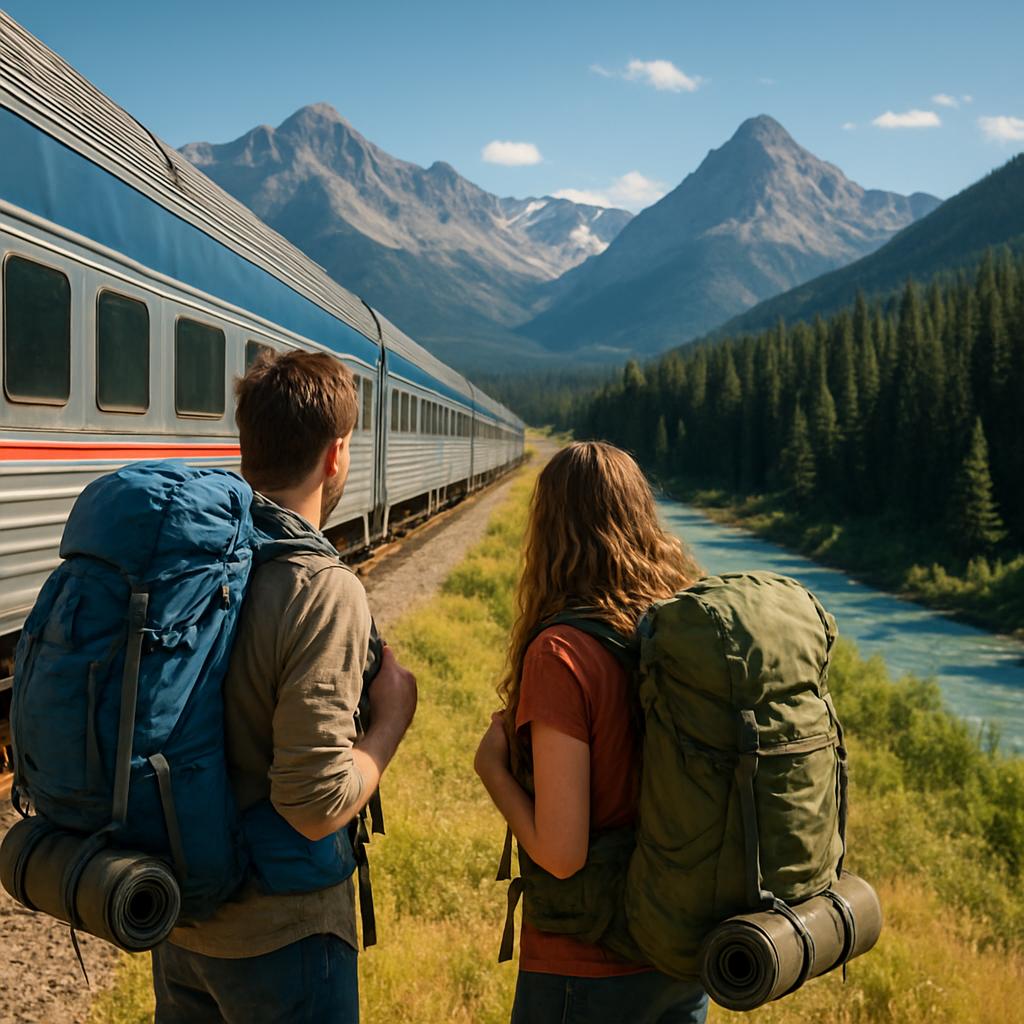
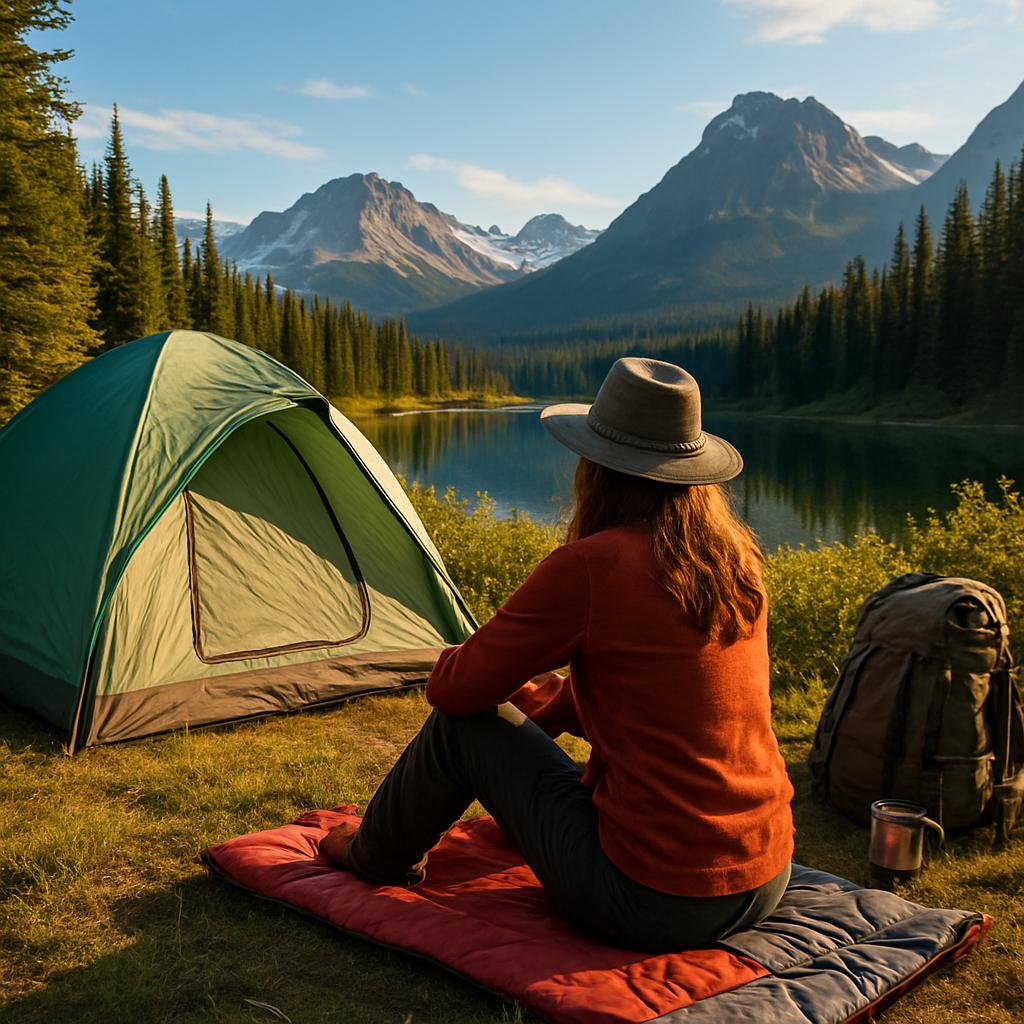
Wild camping offers an adventurous way to experience Canada’s vast natural beauty, letting you sleep under the stars away from crowded campgrounds. Whether you’re trekking through remote wilderness or exploring national parks, understanding the rules for wild camping is crucial. Each province and territory in Canada has its own set of guidelines and restrictions that backpackers need to follow to enjoy a safe and legal wilderness experience. This guide breaks down the essential wild camping laws across Canada, helping you plan your trip with confidence and respect for the environment.
What Are the Wild Camping Laws in Canadian National Parks?
National parks in Canada are managed by Parks Canada, which enforces specific camping regulations to protect natural habitats and wildlife. Wild camping, or backcountry camping, is allowed in designated zones within most national parks, but campers must obtain permits ahead of time.
- Permits Required: Backcountry camping permits are mandatory for overnight stays in most national parks. These can often be reserved online.
- Designated Areas Only: Wild camping is only permitted in marked backcountry campsites; camping outside these zones is prohibited.
- Campfire Restrictions: Fires may be restricted during dry seasons; use established fire pits or cook with portable stoves.
- Leave No Trace: Campers must pack out all garbage and minimize environmental impact.
Popular national parks permitting wild camping include Banff, Jasper, Yoho, and Kootenay. Always check the specific park’s website for detailed regulations and necessary permits before your trip.
How Do Wild Camping Laws Differ in British Columbia?
British Columbia offers abundant opportunities for wild camping, particularly on Crown land and in provincial parks. Crown land—public land managed by the provincial government—has looser rules compared to parks, but there are still guidelines to follow.
- Crown Land Camping: Allowed generally for up to 21 days; campers should avoid private property and sensitive ecological areas.
- Provincial Parks: Many allow backcountry camping but require permits; some parks have designated sites only.
- Fire Safety: Due to wildfire risks, fire bans are common during summer months; check local fire regulations.
- Wildlife Considerations: Use bear-proof containers and camp away from animal trails or food sources.
Some notable wild camping spots include Garibaldi Provincial Park and Manning Provincial Park. Always consult provincial resources or local authorities for the latest rules.
What Are the Restrictions on Wild Camping in Ontario?
Ontario’s approach to wild camping varies depending on whether you’re in a provincial park, conservation reserve, or Crown land. Ontario has extensive Crown territories where dispersed camping is allowed with some limits.
- Crown Land Camping: Generally allowed for up to 21 consecutive days; campsites must be at least 100 metres from water and roads.
- Provincial Parks: Backcountry camping permitted only in designated sites and requires a reservation or permit.
- Conservation Reserves: Rules differ; some allow wilderness camping while others restrict it due to ecological sensitivity.
- Campfires: Often allowed only if no fire ban is in place and within regulated fire rings or designated spots.
Popular areas for wild camping include Algonquin Provincial Park and sections of Crown land along the Ontario Shield. Carry a map and verify regulations before heading out.
What Are the Wild Camping Regulations in Quebec?
Quebec’s rules for wild camping depend on land ownership and protected area designations. Wild camping on public lands (Crown land) is broadly permitted, though provincial parks and reserves have their own controls.
- Crown Land Areas: Dispersed camping is generally allowed but campers should avoid sensitive zones and follow fire regulations.
- Provincial Parks (Parcs nationaux): Backcountry camping is allowed but requires registration and stays are limited to specific sites.
- Private or Indigenous Lands: Camping is prohibited unless you have explicit permission.
- Environmental Protection: Leave no trace principles must be followed; campfires may be restricted during dry periods.
Popular wild camping locations include Jacques-Cartier National Park and the Laurentians. Always research the exact area rules and permit requirements before traveling.
What Are the Wild Camping Rules in Alberta’s Wilderness Areas?
Alberta’s provincial parks, wilderness areas, and Crown lands offer ample wild camping opportunities, each with their own set of rules.
- Crown Land: Dispersed camping permitted for up to 14 days; campers should stay away from environmentally sensitive sites.
- Provincial Parks: Backcountry camping allowed in designated zones; permits often required for overnight stays.
- Wilderness Areas: Camping allowed but restricted to specific areas to protect wildlife habitat.
- Fire Restrictions: Active fire bans are common during dry seasons; use camp stoves instead of open fires when banned.
The Canadian Rockies and foothills offer numerous wild camping spots, including within Kananaskis Country and Peter Lougheed Provincial Park.
How Can Backpackers Stay Safe and Legal When Wild Camping in Canada?
Being informed about local laws is only the first step. Safety and respect for nature are essential when wild camping anywhere in Canada.
- Research Permits: Investigate permit requirements well in advance; some parks limit visitor numbers.
- Follow Fire Regulations: Avoid starting fires in dry or windy conditions; use portable stoves when bans are active.
- Respect Wildlife: Store food securely, maintain distance from animals, and be aware of bear country protocols.
- Pack Out Waste: Bring garbage bags and carry out all trash; avoid damaging plants or digging trenches near campsites.
- Use Established Campsites: When designated sites exist, use them to minimize environmental disruption.
Preparedness enhances your wilderness experience while preserving Canada’s natural spaces for others.
Frequently Asked Questions
Can I set up a tent anywhere in Canada’s wilderness?
No. Wild camping usually must occur on Crown land or designated backcountry campsites, especially inside provincial or national parks. Camping on private land or restricted areas without permission is illegal.
Do I need a permit to wild camp in Canadian National Parks?
Yes, most national parks require backcountry or wilderness camping permits ahead of time. Check the specific park’s website as permits may be limited and reservations necessary.
Are campfires allowed when wild camping in Canada?
Campfire rules vary by region and season. During dry periods, fire bans are common to prevent wildfires. When fires are allowed, use existing fire rings and keep fires small and attended.
How long can I camp on Crown land in Canada?
Typically, camping on Crown land is allowed for up to 14 to 21 consecutive days depending on the province. Afterwards, campers should move to a different location at least a few kilometres away.
Wild camping across Canada offers incredible freedom and connection with nature. Observing local laws and ethical camping practices creates unforgettable adventures while protecting the wilderness for generations to come.