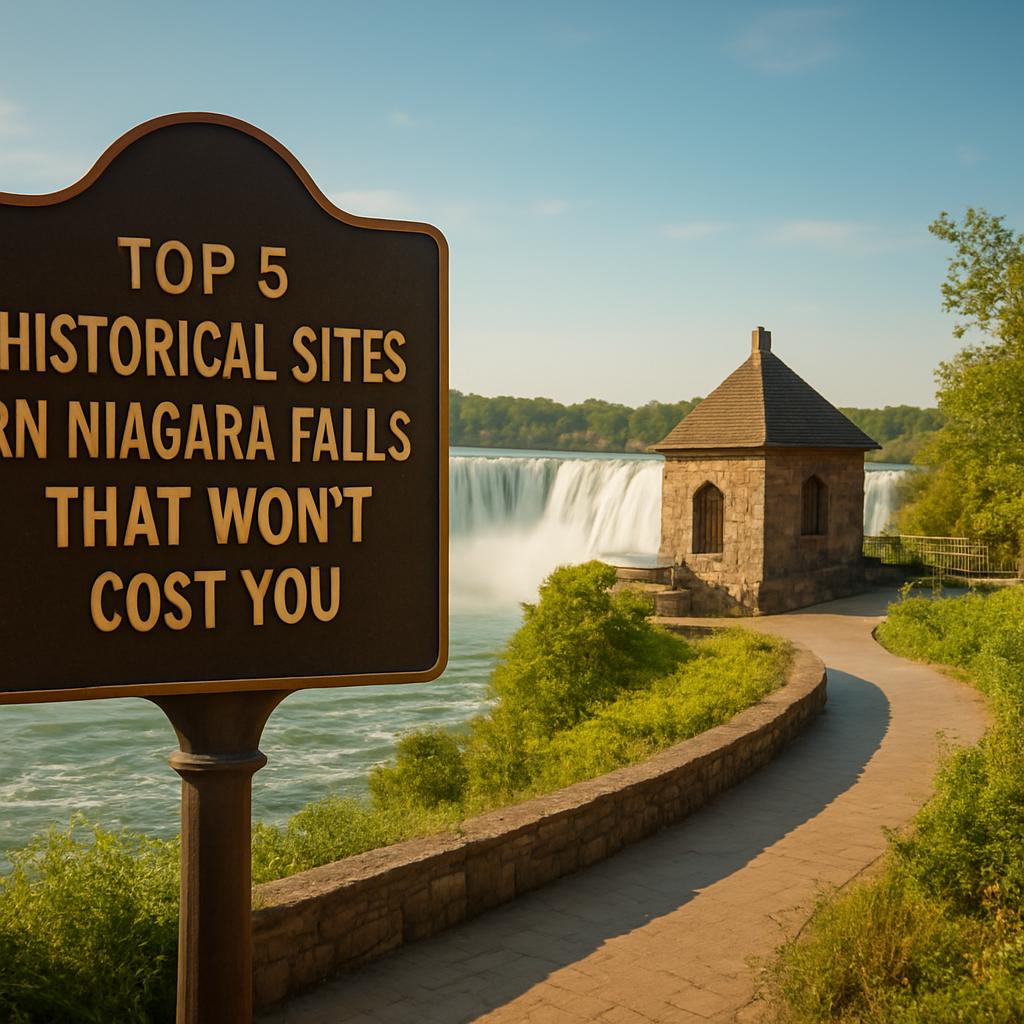
Top 5 Historical Sites in Niagara Falls That Won't Cost You
Posted on November 20, 2026 • 5 minutes • 859 words
Table of contents
- What are the top free historical sites to visit in Niagara Falls?
- How can I explore historical landmarks near Niagara Falls for free?
- Where can I learn about Niagara Falls’ war history without paying?
- Which Niagara Falls parks offer historical significance and free access?
- How can I discover indigenous history near Niagara Falls for free?
- Frequently Asked Questions
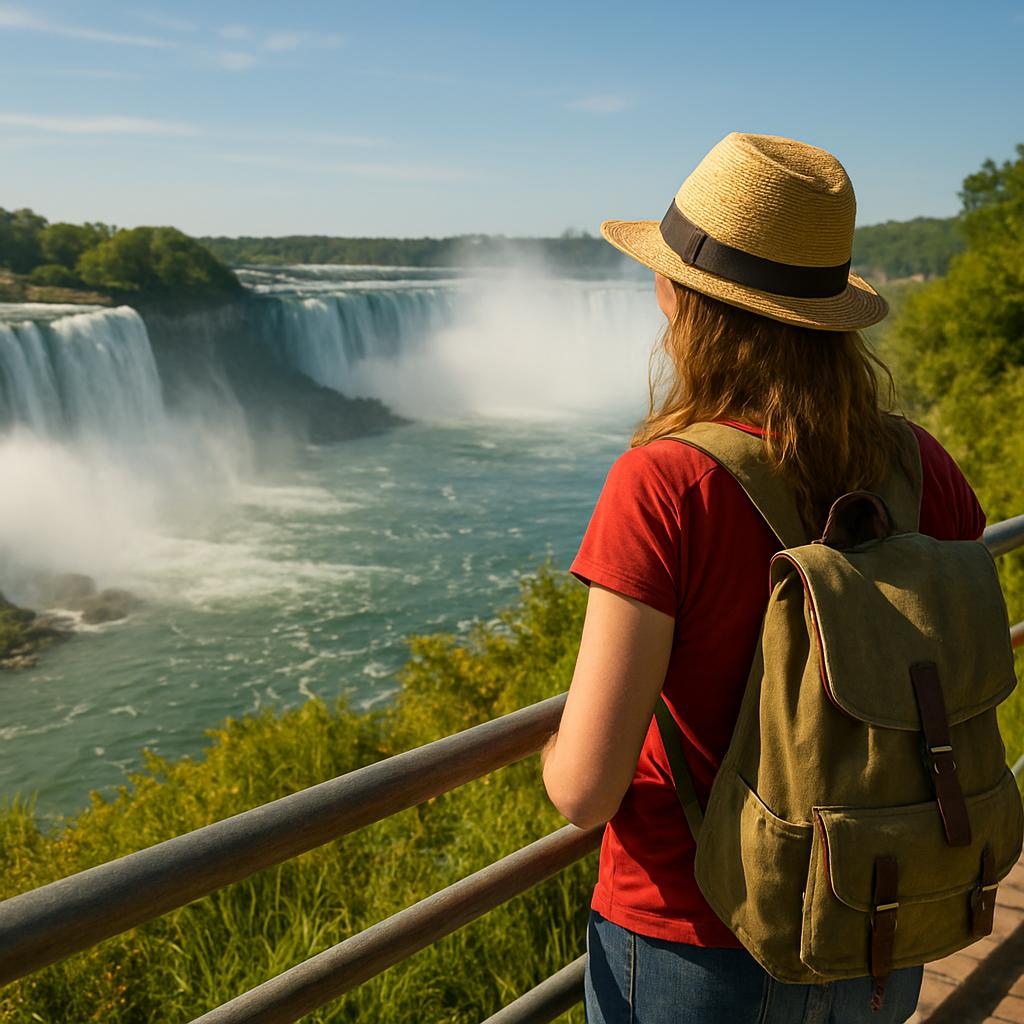
Discovering Niagara Falls is about more than just the breathtaking waterfalls—this iconic destination holds a rich historical tapestry that many visitors often overlook. Exploring the historical sites around Niagara Falls offers a fascinating glimpse into the area’s past, from indigenous heritage and early European settlements to pivotal moments in Canadian history. The best part? You don’t have to spend a dime to step back in time and explore these remarkable landmarks. Here’s a guide to the top five free historical sites in Niagara Falls that offer both insight and adventure for budget-conscious travelers.
What are the top free historical sites to visit in Niagara Falls?
Niagara Falls is brimming with places where history meets natural beauty, and several of these locations can be explored for free. These sites not only provide incredible context about the region’s role in Canadian and American history but also offer photo-worthy views and peaceful spaces to soak in the atmosphere.
- Old Fort Niagara Grounds (exterior walkways and grounds are free; museum entry fee applies)
- Queen Victoria Park Historic Areas
- Laura Secord Homestead, exterior and nearby walking trails
- Niagara Parkway and Niagara River Heritage Trail
- Dufferin Islands
These sites allow you to connect with various chapters of history without any entrance fees, ideal for backpackers or day-trippers on a budget.
How can I explore historical landmarks near Niagara Falls for free?
Many of Niagara Falls’ best historical landmarks are accessible by foot or bike, making it easy and zero-cost to visit multiple sites in one day. Mapping out a walking itinerary along the Niagara Parkway lets you discover monuments, plaques, and old structures that tell stories of bygone eras.
- Start at the Niagara Park Visitor Centre for maps and historical info.
- Walk or bike along the Niagara River Heritage Trail to see interpretive signs about battles, treaties, and settlements.
- Stop by Queen Victoria Park to glimpse monuments dedicated to early pioneers and local legends.
- Visit Dufferin Islands for a serene spot where you can imagine the area’s transformation from wilderness to a thriving tourism hub.
Public transit and shuttle options also connect key areas without any added expense.
Where can I learn about Niagara Falls’ war history without paying?
Niagara Falls’ strategic location has made it a site of numerous military events, particularly during the War of 1812. Exploring national historic sites and battlefields from that era is possible without entry fees in various spots around the city.
- View exterior parts of Old Fort Niagara, where you can admire the original fort walls and cannons.
- Explore interpretive plaques commemorating battles along the Niagara River.
- Visit CJ Mackenzie House, once a meeting place for Canadian militia, where the outside architecture can be appreciated from public roads.
Informational signs and historical markers placed throughout these areas offer context that brings the war stories alive.
Which Niagara Falls parks offer historical significance and free access?
Several city parks double as historical sites where you can relax and soak in the area’s cultural heritage.
Queen Victoria Park: Established in the late 19th century, this park contains monuments, fountains, and walking paths that celebrate Canadian history.
Dufferin Islands: Created in the early 1900s, the islands have a story of early conservation efforts and are a peaceful retreat with bridges and trails dating back to original park plans.
Peace Garden: Commemorates Niagara Falls as a symbol of peace between Canada and the United States.
These parks provide a unique mix of historical education and outdoor enjoyment without admission fees.
How can I discover indigenous history near Niagara Falls for free?
Learning about the indigenous peoples, such as the Haudenosaunee (Iroquois), who have inhabited the Niagara region for centuries is an important part of understanding the area’s roots.
- Visit interpretive panels along the Niagara River Heritage Trail that highlight indigenous culture and historic trade routes.
- Explore trails where you can imagine traditional land use and community life before European contact.
- Attend occasional free cultural events or demonstrations at local community centers or during regional festivals.
Several indigenous landmarks and sacred sites are open to the public and provide educational opportunities at no cost.
Frequently Asked Questions
What are some hidden free historical gems in Niagara Falls?
Besides popular spots like Queen Victoria Park and Old Fort Niagara grounds, you can find rarely visited spots such as the Niagara Apothecary exterior, historic cemeteries with pioneer graves, and local heritage plaques scattered throughout downtown Niagara Falls.
Can I access Old Fort Niagara without buying a ticket?
Yes, the fort’s exterior grounds, ramparts, and cannons are free to explore, though access to the museum and indoor exhibits requires a paid ticket. Walking the perimeter still provides a captivating historical experience.
Are guided historical tours in Niagara Falls free?
Most guided tours of major attractions have a fee, but you can join free walking tours hosted by local historical societies or use self-guided tour apps that offer maps and historical commentary at no cost.
Is it safe to explore Niagara Falls historical sites by foot?
Yes, Niagara Falls is generally safe for pedestrians, especially in popular tourist areas. Stick to well-marked trails, visit during daylight hours, and follow local guidelines for a secure and enjoyable experience.