Point Pelee National Park: Top Hiking & Birdwatching Spot
Posted on November 9, 2026 • 4 minutes • 843 words
Table of contents
- What makes Point Pelee National Park a backpacking destination worth exploring?
- How can backpackers plan hiking routes within Point Pelee National Park?
- What are the best wildlife spotting tips for backpackers in Point Pelee National Park?
- Where can backpackers camp at Point Pelee National Park and what should they prepare?
- What are essential safety and environmental tips for backpackers at Point Pelee National Park?
- Frequently Asked Questions
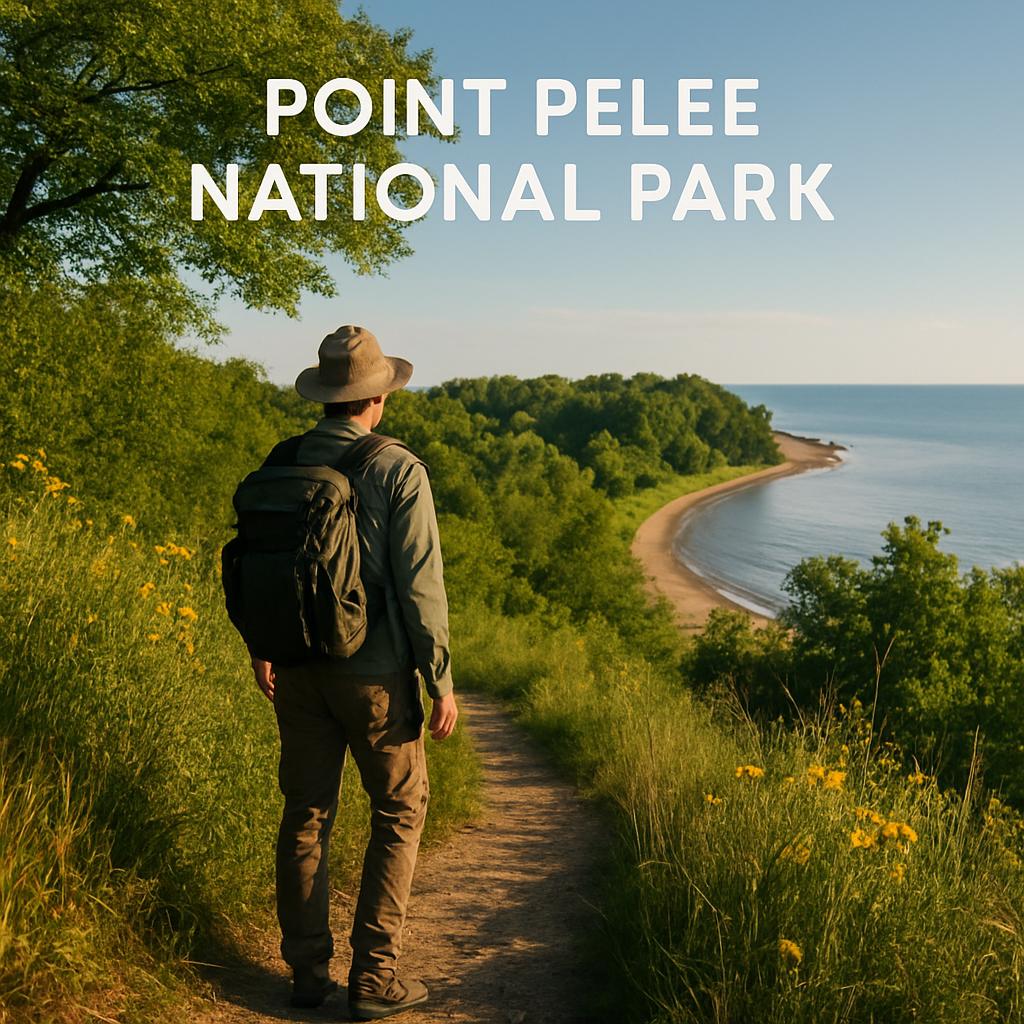
Point Pelee National Park is a must-visit for backpackers exploring southern Ontario’s natural beauty. Known for its unique position as the southernmost point of mainland Canada, this park offers a mix of diverse ecosystems, incredible birdwatching opportunities, and scenic trails that appeal to outdoor enthusiasts. Whether you’re an experienced backpacker or a nature lover looking for a day trip, Point Pelee offers a refreshing escape filled with discovery and adventure.
What makes Point Pelee National Park a backpacking destination worth exploring?
Point Pelee is recognized for its diverse habitats including marshes, forests, and sandy beaches, packed into a relatively small area of just 15 square kilometers. This combination attracts a wide variety of wildlife, especially migratory birds, making it a hotspot for birdwatchers and nature photographers.
Backpackers appreciate:
- Easy access from nearby cities like Windsor and Toronto
- Trails that vary in difficulty and length, suitable for all skill levels
- Opportunities to observe rare species, especially during spring and fall migration
- Onsite campgrounds available for an immersive outdoor overnight experience
The park’s peninsula extends into Lake Erie, providing stunning water views and peaceful spots to relax after a day of hiking.
How can backpackers plan hiking routes within Point Pelee National Park?
The park features several well-marked trails ranging from short walks to longer treks that showcase different environments. Planning your route depends on your interest—birdwatching, marsh exploration, or beach wandering—and how much time you have.
Popular trails include:
- Woodland Trail: A 2.3 km loop through Carolinian forest where you might spot deer or woodpeckers
- Marsh Boardwalk: A 1 km pathway above the marsh, ideal for viewing waterfowl and turtles
- Tip Trail: 2 km gentle walk to the southern tip with panoramic views of Lake Erie
- Osprey Bay Trail: About 4 km, featuring mixed forest and marsh areas, great for spotting osprey and other raptors
Most trails are easy to moderate in difficulty, with flat terrain. Wear comfortable hiking shoes and carry water, especially during the warm months.
What are the best wildlife spotting tips for backpackers in Point Pelee National Park?
The park is a birdwatching mecca, especially during migration seasons in spring and fall when thousands of birds pass through. For wildlife spotting success, consider these tips:
- Bring binoculars and a field guide for identifying birds and animals
- Visit early in the morning or late afternoon when animals are most active
- Stick to trails and quietly observe; sudden movements can scare wildlife away
- Check the park’s wildlife reports and join guided walks to learn from experts
- Look out for turtles basking on logs or amphibians near ponds
Besides birds, look for white-tailed deer, raccoons, frogs, and snakes to complete your nature experience.
Where can backpackers camp at Point Pelee National Park and what should they prepare?
Point Pelee offers primitive camping at the nearby Point Pelee National Park Campground, providing a chance to enjoy the park after hours. The campground has over 200 sites suitable for tents and small trailers, with basic amenities like toilets and potable water.
Campground tips:
- Reserve your site early, especially for peak season (May-September)
- Pack insect repellent—mosquitoes can be active near marshy areas
- Bring lightweight camping gear for easy carrying if backpacking from the park entrance
- Follow park rules for fire safety and waste disposal
- Wake early to catch sunrise views from the campsite or peninsula tip
Camping here allows you to experience nighttime natural sounds and starry skies away from city lights.
What are essential safety and environmental tips for backpackers at Point Pelee National Park?
Protecting the park while staying safe is key to an enjoyable visit. Keep these points in mind:
- Stay on marked trails to avoid fragile plants and animal habitats
- Do not feed wildlife; human food can harm animals and alter natural behaviour
- Carry a map or download the park map app for offline use
- Weather near Lake Erie can change quickly; dress in layers and carry rain protection
- Pack out all trash and keep campsites clean to prevent attracting wildlife
- Follow park regulations regarding campfires and quiet hours
Being respectful and prepared ensures you help preserve Point Pelee for future backpackers and wildlife alike.
Frequently Asked Questions
What is the best time to visit Point Pelee National Park for backpacking?
The best times are spring (April to June) and fall (September to October) when temperatures are mild and migratory birds abound. Summer can be warm and buggy, while winter is mostly closed for camping.
Are there any backpacking-specific trails longer than one day at Point Pelee?
Point Pelee is small and does not offer multi-day hiking trails inside the park itself, but you can camp overnight and explore different trails over two days.
Can I bring a dog while backpacking at Point Pelee National Park?
Pets aren’t allowed in the park except in designated areas on leash. Check park regulations to avoid penalties.
How far is Point Pelee from Toronto or Windsor for backpackers driving in?
It’s about a 4-hour drive from Toronto and only 40 minutes from Windsor, making it accessible for weekend trips for backpackers based in southern Ontario.