How to Spot Wildlife in Jasper Without a Tour
Posted on November 4, 2026 • 5 minutes • 875 words
Table of contents
- How to Spot Wildlife in Jasper Without a Tour Responsibly
- What Are the Best Spots to See Wildlife in Jasper Without a Tour?
- When Is the Best Time to See Wildlife in Jasper Without a Tour?
- What Gear Helps You Spot Wildlife in Jasper Without a Tour?
- How Can You Increase Your Chances of Seeing Wildlife in Jasper Without a Tour?
- Frequently Asked Questions
Exploring Jasper National Park on your own offers a unique chance to witness Alberta’s diverse wildlife in their natural habitats. While guided tours provide expert insight, spotting animals independently lets you move at your own pace and experience the park’s serene beauty firsthand. With a bit of preparation and knowledge, you can increase your chances of seeing iconic creatures like elk, bears, and wolves while enjoying the freedom of self-guided exploration.
How to Spot Wildlife in Jasper Without a Tour Responsibly
Seeing animals in the wild requires respect and caution. Jasper’s wildlife thrives when visitors keep a safe distance, noise levels low, and leave no trace. Approaching animals too closely can be dangerous and disrupt their natural behaviors.
To remain safe and minimize impact:
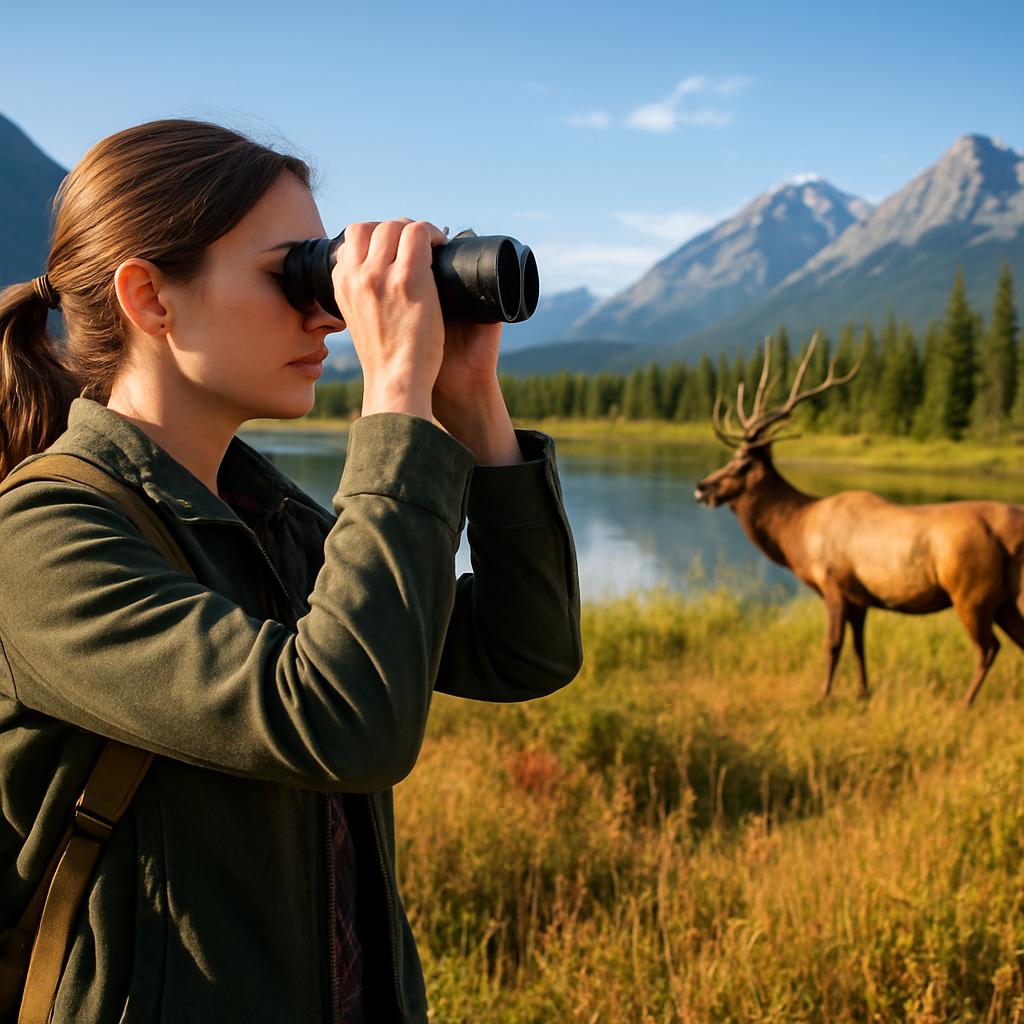
- Use binoculars or a zoom lens for clearer views without disturbing animals.
- Stay on marked trails and designated viewing areas.
- Never attempt to feed or attract wildlife.
- Keep pets leashed and under control.
- Carry bear spray if hiking in bear country and know how to use it.
- Avoid sudden movements and loud noises that may scare animals.
Practicing patience is key—quietly waiting in one spot often leads to unexpected sightings. Early mornings and evenings are prime times for wildlife activity.
What Are the Best Spots to See Wildlife in Jasper Without a Tour?
Jasper offers several accessible locations with high wildlife visibility where you can explore independently:
- Maligne Lake Road: This stretch often reveals elk and deer grazing alongside the road, especially near dawn and dusk.
- Pyramid Lake: The calm waters attract birds and sometimes beavers, while the surrounding forest is a good place to spot moose.
- Athabasca River: The water attracts a variety of mammals, including bears crossing in the early morning or late afternoon.
- Jasper townsite outskirts: Wildlife is surprisingly active near town edges, with frequent sightings of foxes and coyotes.
- Miette Hot Springs area: Quiet forest paths here sometimes reveal black bears and mule deer.
Remember that wildlife is unpredictable, so exploring multiple spots and spending longer periods outdoors will improve your chances.
When Is the Best Time to See Wildlife in Jasper Without a Tour?
Timing can make a big difference in wildlife encounters. Seasonal behaviors and daily activity patterns influence when animals are most visible.
Wildlife viewing tips by season:
- Spring (April to June): Animals are more active after winter; newborns and young animals are often visible.
- Summer (July to August): Warm temperatures mean animals often seek shaded or water-filled spots during midday; early morning and late evening are better.
- Fall (September to October): Mating season for elk and deer brings vocalizations and frequent sightings; animals bulk up before winter.
- Winter (November to March): Tracks in snow can lead to sightings; some species hibernate while others adapt by changing behaviors.
Daily wildlife activity patterns:
- Early mornings (sunrise to mid-morning) are prime times when animals forage.
- Late afternoons and evenings (a couple of hours before and after sunset) also see increased movement.
- Midday is usually quieter as animals rest or shelter.
What Gear Helps You Spot Wildlife in Jasper Without a Tour?
Preparedness can enhance your wildlife viewing experience while keeping you safe and comfortable.
Recommended gear:
- Binoculars: Essential for spotting distant or camouflaged animals.
- Camera with zoom lens: Capture moments without disturbing wildlife.
- Guidebook or app: Helps identify species and learn about behaviors.
- Bear spray: Crucial for safety in bear habitats.
- Backpack with water and snacks: Long outings need sustenance.
- Weather-appropriate clothing: Layers and waterproof gear for comfort in variable mountain weather.
- Map and compass or GPS: Navigate trails safely.
Packing light but prepared allows you to move quietly and react quickly to wildlife sightings.
How Can You Increase Your Chances of Seeing Wildlife in Jasper Without a Tour?
Patience combined with good planning and careful observation is essential.
Tips to improve your wildlife spotting:
- Move slowly and avoid sudden movements.
- Scan the edges of trails and water bodies where animals often appear.
- Watch for tracks, scat, or other signs indicating animal presence.
- Be quiet and steady; animals rely on their senses and may flee if startled.
- Use natural cover like bushes or trees to conceal your position.
- Spend extended periods in one spot, especially near feeding or watering areas.
- Travel with a partner for safety and added observation.
Recording your sightings and locations can help plan future outings where activity was high.
Frequently Asked Questions
Can I see bears in Jasper without a guided tour?
Yes, seeing bears on your own is possible, especially black bears in forested areas or near water during dawn or dusk. Always carry bear spray and know proper bear encounter protocols.
What wildlife is easiest to spot without a tour in Jasper?
Elk, deer, and various birds like bald eagles or ospreys are commonly seen without a guide, particularly near lakes and roadsides during early morning or late evening.
Are there safe ways to photograph wildlife in Jasper on my own?
Using zoom lenses and maintaining a respectful distance ensures safety for both you and the animals. Avoid flash photography to prevent disturbing wildlife.
Where are the best places to see elk in Jasper National Park?
Maligne Lake Road and areas close to Jasper townsite often have visible elk herds, especially at dawn or dusk when they are most active.