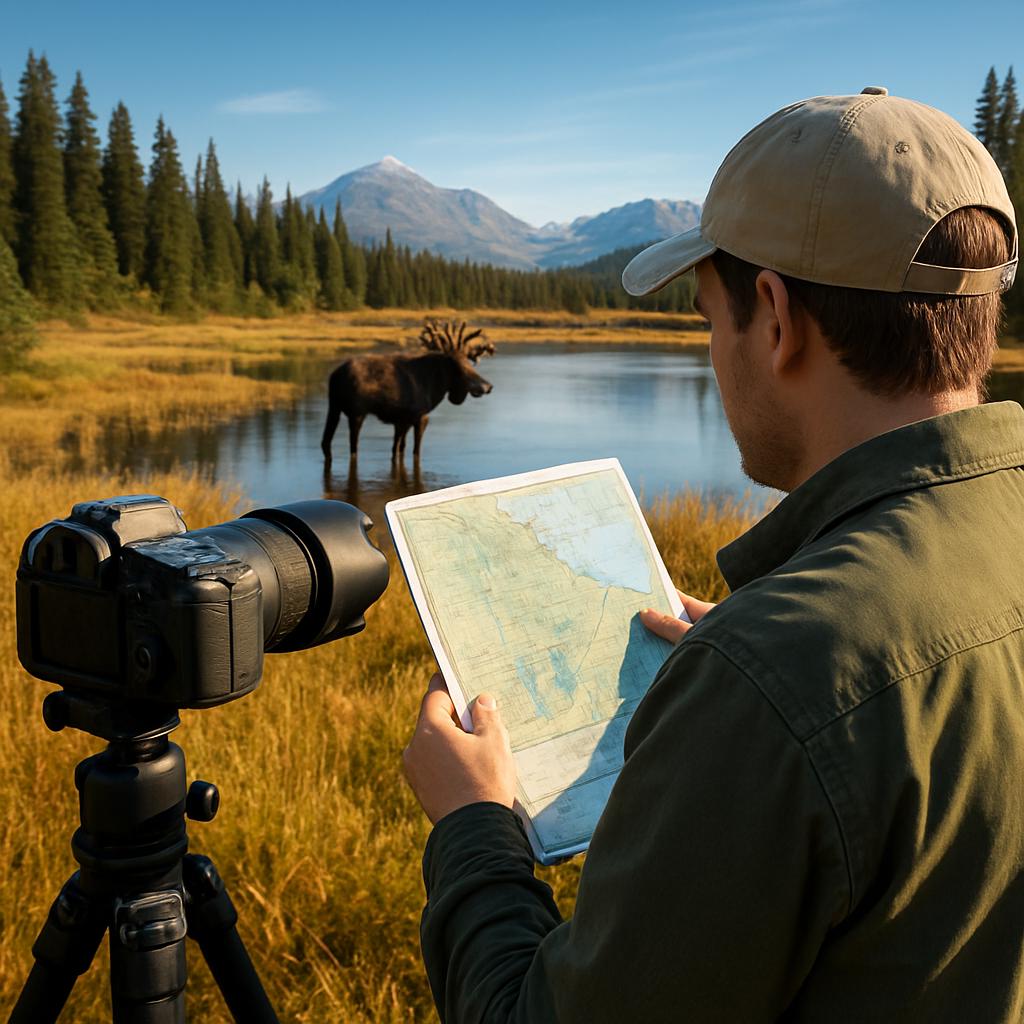
How to Plan a Photography Trip to Capture Canadas Wildlife
Posted on November 15, 2026 • 4 minutes • 766 words
Table of contents
- How to Plan a Photography Trip to Capture Canada’s Wildlife Safely
- What Are the Best Canadian Destinations for Wildlife Photography?
- What Gear Should You Bring for a Canadian Wildlife Photography Trip?
- How to Choose the Right Time to Photograph Canadian Wildlife?
- How to Maximize Your Photography Success with Wildlife in Canada?
- Frequently Asked Questions
Canada’s vast wilderness offers an incredible playground for wildlife photographers seeking breathtaking shots of some of the world’s most iconic animals. From majestic bears roaming temperate rainforests to elusive wolves traversing rocky mountain ranges, planning a photography trip to capture Canada’s wildlife requires knowledge, preparation, and a keen eye for both safety and opportunity. Whether you’re a seasoned pro or an enthusiastic beginner, understanding how to approach your journey will maximize your chances of success and enrich your overall adventure.
How to Plan a Photography Trip to Capture Canada’s Wildlife Safely
Wildlife photography in Canada demands a strong emphasis on safety—for you and the animals. Before heading into bear country or exploring remote habitats, it’s crucial to understand the dos and don’ts.
- Research specific animal behaviors and seasonal activity patterns.
- Carry bear spray where bears inhabit and know how to use it.
- Maintain a safe distance from all wildlife; use telephoto lenses.
- Avoid loud noises or sudden movements that could startle animals.
- Travel with a local guide if exploring unknown or risky terrain.
- Keep food sealed and stored to prevent attracting wildlife.
Taking precautions will protect both your life and the animals you seek to photograph while ensuring ethical wildlife encounters.
What Are the Best Canadian Destinations for Wildlife Photography?
Canada is home to countless prime locations for spotting abundant wildlife. Selecting your destination depends on the species you wish to capture and the time of year.
- British Columbia’s Great Bear Rainforest: Home to rare white Spirit bears and coastal grizzlies.
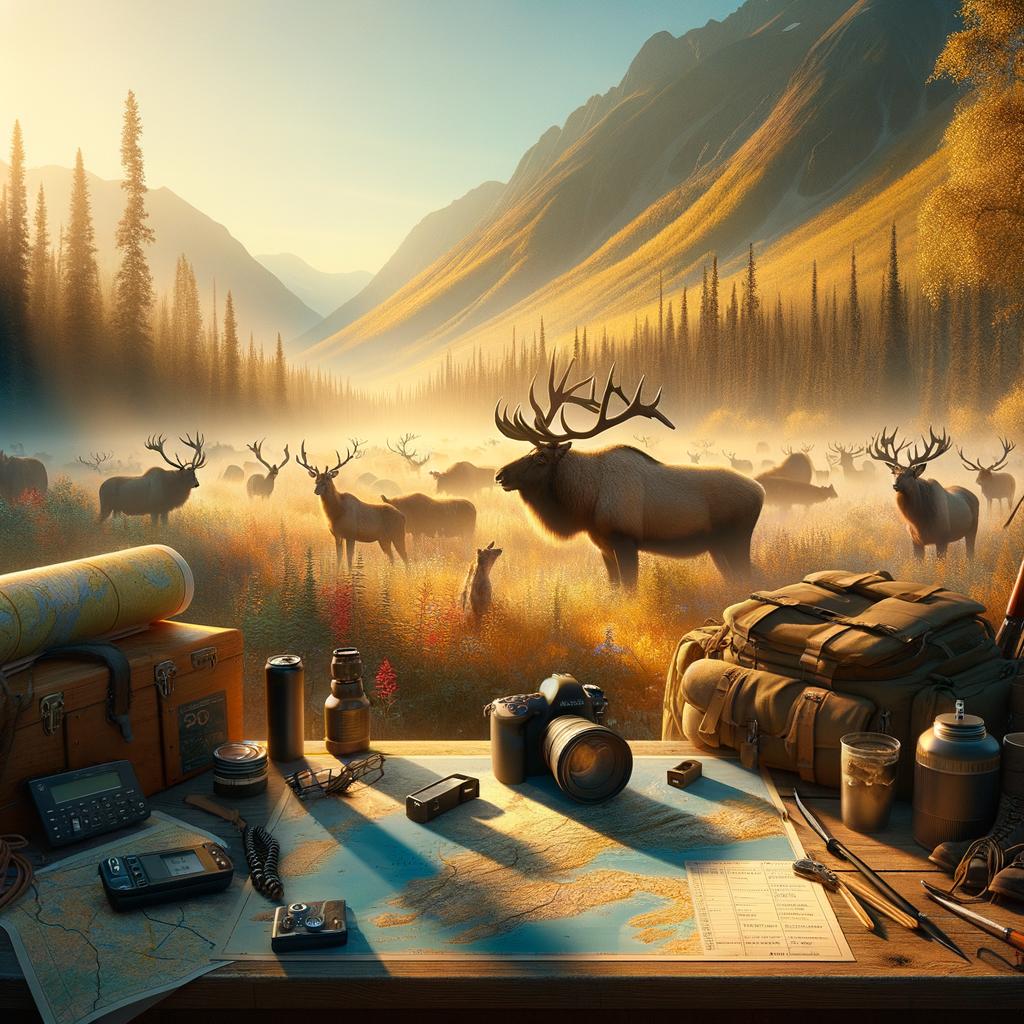
- Alberta’s Banff and Jasper National Parks: Regular sightings of elk, moose, bears, wolves, and mountain goats.
- Manitoba’s Churchill: World-renowned for polar bear and Arctic wolf photography, especially from October to November.
- Nova Scotia’s Cape Breton Highlands: Moose and bald eagles often appear in this maritime environment.
- Ontario’s Algonquin Provincial Park: Bears, wolves, and beavers thrive here, perfect for summer trips.
Seasonality impacts animal visibility, so plan your trip during migration, mating, or feeding periods when wildlife is most active.
What Gear Should You Bring for a Canadian Wildlife Photography Trip?
Having the right equipment improves your chances of capturing stunning wildlife images while accommodating the often rugged Canadian environment.
- Camera Body: DSLR or mirrorless with fast autofocus.
- Telephoto Lenses: 300mm to 600mm to keep safe distance.
- Tripod or Monopod: Stabilization helps with sharp shots.
- Extra Batteries and Memory Cards: Cold weather drains power faster.
- Weatherproof Camera Bag: Protects gear from rain, snow, and dust.
- Clothing: Layered, waterproof, and insulated to handle variable conditions.
- Binoculars: For scanning animals before aiming the camera.
- Remote Shutter Release: Minimizes camera shake during long exposures.
Pack light but thoroughly; every item should help with both comfort and photography efficiency.
How to Choose the Right Time to Photograph Canadian Wildlife?
Timing your trip around wildlife behaviors and natural cycles enhances photographic opportunities.
- Spring (April to June): Babies and mating rituals, ideal for observing playful behaviors.
- Summer (July to August): Best for smaller mammals and lush surroundings.
- Autumn (September to November): Mating displays, rutting season, and vibrant foliage backdrops.
- Winter (December to March): Tracks in snow, northern lights, and wildlife uniquely adapted to harsh conditions.
Group your planning around daylight hours and weather patterns, aiming for early mornings or late evenings when animals are most active.
How to Maximize Your Photography Success with Wildlife in Canada?
Having patience, knowledge, and respect for nature makes all the difference.
- Spend time observing animal routines before shooting.
- Use natural hides or blinds to reduce disturbances.
- Take advantage of golden hour lighting for more compelling images.
- Experiment with different angles and compositions.
- Keep noise and scent to a minimum.
- Document environmental context to tell a fuller story.
Respecting the environment and being patient can reward you with rare and captivating moments.
Frequently Asked Questions
What is the best time of year to photograph bears in Canada?
Late spring through early fall is optimal for bear photography, especially in regions like British Columbia and Alberta. This is when bears are most active feeding and preparing for winter.
How should I prepare for cold weather wildlife photography in Canada?
Dress in layers with insulated, moisture-wicking fabrics and waterproof outerwear. Bring hand warmers and protect camera batteries from cold, keeping spares warm in inner pockets.
Can I photograph wildlife in Canada without a guide?
It’s possible, especially in well-trafficked national parks. Yet, hiring a local guide improves safety, offers insider knowledge, and increases chances of finding elusive species.
What camera lens is best for Canadian wildlife photography?
A telephoto lens in the 300mm-600mm range provides the reach necessary to capture distant animals safely while maintaining image clarity and detail.