How to Plan a Backpacking Trip to See Canadas Wildlife
Posted on November 20, 2026 • 5 minutes • 858 words
Table of contents
- What are the best times to go backpacking for wildlife viewing in Canada?
- Where are the top locations in Canada for wildlife backpacking trips?
- How to prepare gear and supplies for a wildlife-focused backpacking trip
- What are wildlife safety tips when backpacking in Canadian wilderness?
- How to choose eco-friendly and responsible backpacking practices for wildlife trips?
- Frequently Asked Questions
Exploring Canada’s vast wilderness to catch glimpses of its incredible wildlife is a dream trip for many backpackers. From the majestic bears of British Columbia to the elusive moose in Newfoundland, Canada’s diverse ecosystems offer thrilling opportunities for animal encounters. Planning such an adventure requires careful preparation to maximize wildlife sightings while staying safe and adhering to conservation ethics. This guide will walk you through how to plan a backpacking trip to see Canada’s wildlife, ensuring a memorable and responsible experience.
What are the best times to go backpacking for wildlife viewing in Canada?
Timing is crucial when planning your backpacking trip for wildlife watching. Canada’s wildlife activity depends on the season, weather, and migration patterns.
- Spring (April to June): Ideal for spotting newborn animals like moose calves and bear cubs. Migratory birds also return to nesting sites.
- Summer (July to August): Long daylight hours give you more time in the wilderness. Many mammals are active feeding for the fall.
- Fall (September to October): Perfect for witnessing animal rutting behavior, such as elk and deer. Autumn foliage adds spectacular backdrops.
- Winter (November to March): Fewer animals are visible but winter tracking can reveal footprints, and some species like wolves are easier to spot against the snow.
Plan around these seasonal peaks to boost your chances of seeing your favorite species in their natural environments.
Where are the top locations in Canada for wildlife backpacking trips?
Canada’s wildlife viewing landscapes vary widely. Opt for regions known for vibrant animal populations and established trails.
- British Columbia and Yukon: Famous for grizzly and black bears, mountain goats, and bald eagles. Places like Great Bear Rainforest and Kluane National Park are highlights.
- Alberta’s Rocky Mountains: Banff and Jasper National Parks offer elk, bighorn sheep, mountain lions, and possibly wolves.
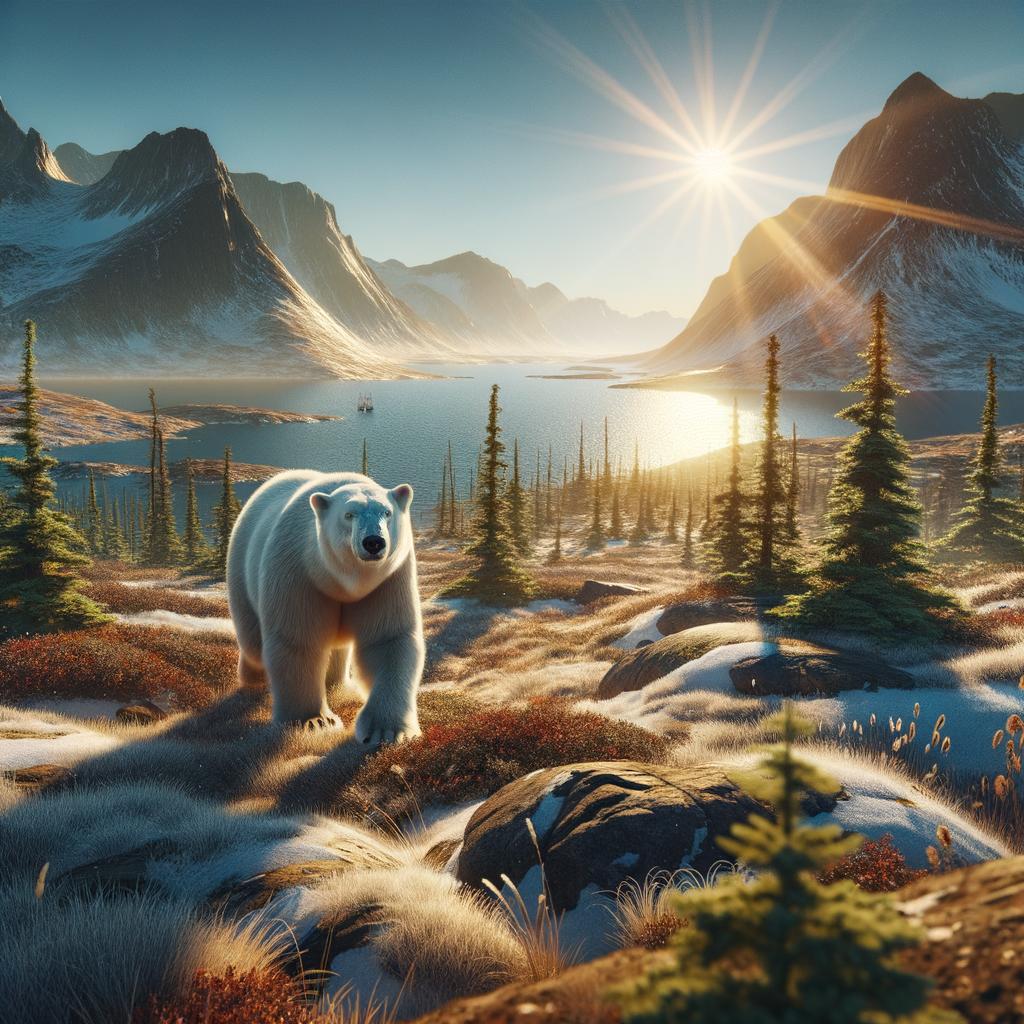
- Manitoba’s Northern Wilderness: See polar bears in Churchill or caribou herds during migration.
- Quebec’s Gaspé Peninsula and Laurentides: Home to moose, black bears, and diverse bird species.
- Newfoundland and Labrador: Spot moose, puffins, and whales along the coast.
Choose your destination based on the species you want to see, the type of trails you prefer, and accessibility.
How to prepare gear and supplies for a wildlife-focused backpacking trip
Packing smart is key for comfort, safety, and ensuring minimal disturbance to the animals.
- Clothing: Layered, moisture-wicking clothes, waterproof jackets, and sturdy hiking boots. Camouflage or neutral earth tones help you blend in.
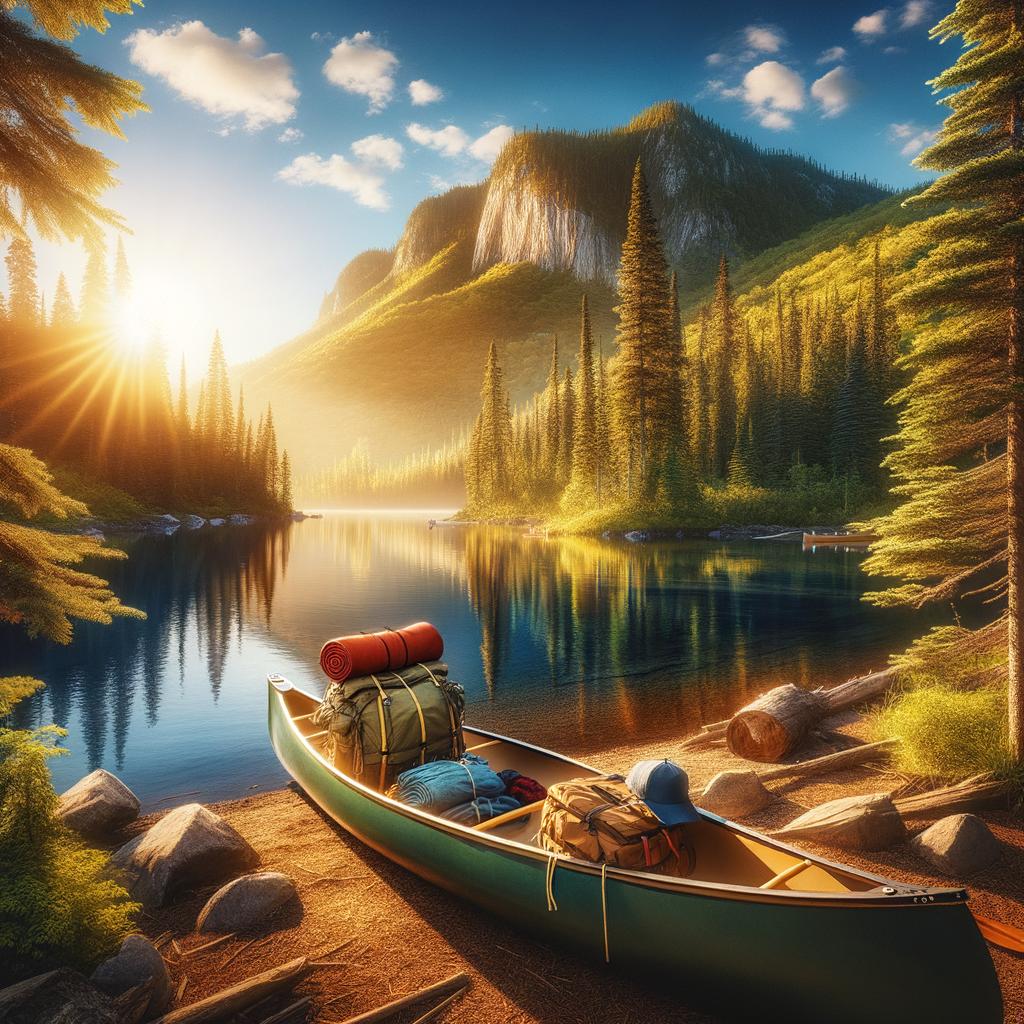
- Camping gear: Lightweight tent, sleeping bag rated for the season, stove, and bear-proof food containers.
- Wildlife watching tools: Binoculars with good magnification, a camera with zoom lens, and a wildlife identification guidebook or app.
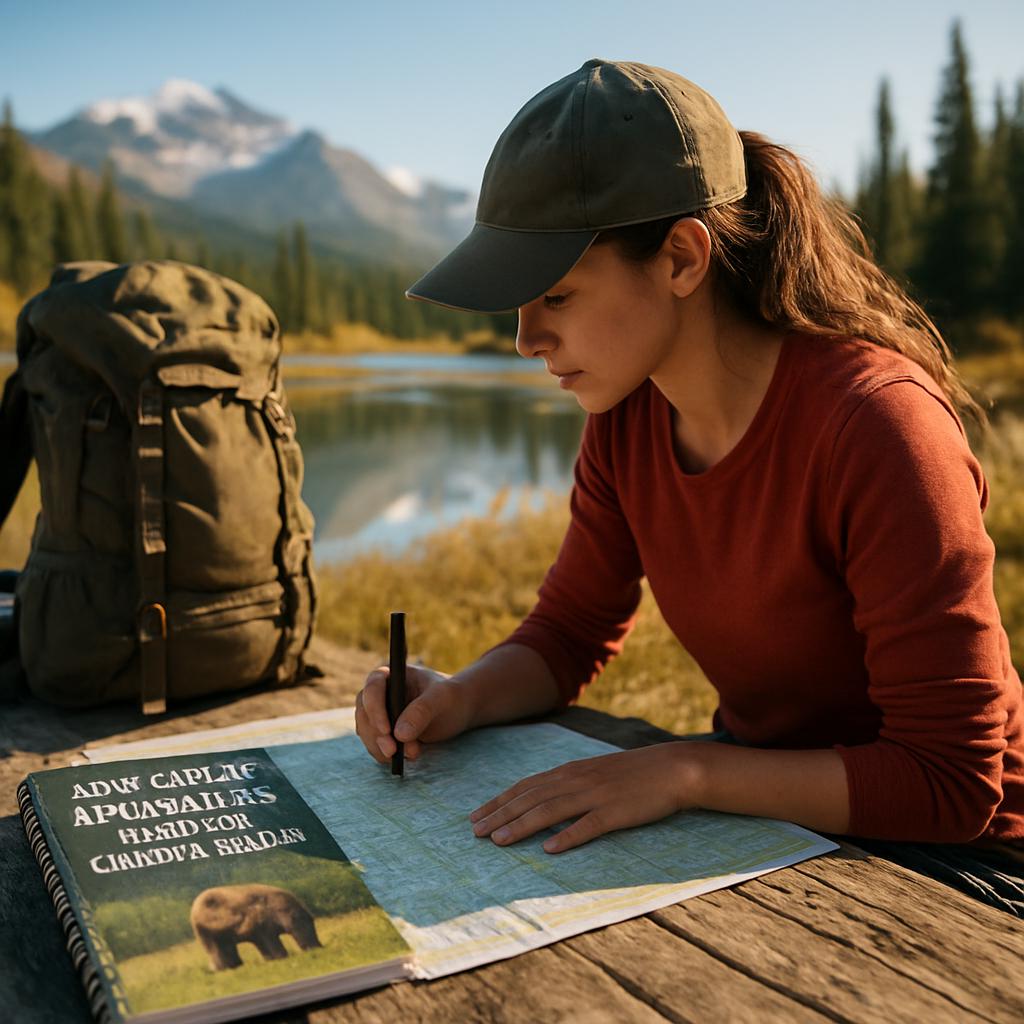
- Safety items: First aid kit, bear spray (if allowed), maps, compass or GPS, and sufficient water filtration system.
- Food: High-energy, lightweight food that is easy to prepare while camping.
Make a checklist based on the length of your trip, destination climate, and possible wildlife encounters.
What are wildlife safety tips when backpacking in Canadian wilderness?
Respecting wildlife space and understanding animal behavior are fundamental for your safety and the animals’ wellbeing.
- Keep a safe distance: Use binoculars for close viewing. Never approach or feed wild animals.
- Store food properly: Use bear-proof containers or hang food bags away from camp to avoid attracting animals.
- Make noise while hiking: Prevent surprise encounters by talking or using bear bells, especially in dense vegetation.
- Know local wildlife hazards: Understand which animals are in the area and what to do if you encounter one.
- Travel in groups: Wandering solo increases risk; groups are often safer and deter wildlife aggression.
Following these guidelines helps protect both you and the wildlife.
How to choose eco-friendly and responsible backpacking practices for wildlife trips?
Preserving wildlife habitats and minimizing your environmental impact contributes to sustainable tourism.
- Stay on established trails: Avoid trampling fragile vegetation and disturbing animal habitats.
- Leave no trace: Pack out all garbage and leftovers, and do not remove natural objects from the wilderness.
- Avoid noisy or bright light disruptions: Nighttime can be critical for animal activity.
- Respect closures and regulations: Some areas may be off-limits during breeding or sensitive periods.
- Support local conservation efforts: Participate in guided tours or volunteer programs benefiting wildlife preservation.
Responsible travel keeps these wild places beautiful for future adventurers.
Frequently Asked Questions
What is the ideal backpacking gear to see wildlife in Canada?
Pack layered, weather-appropriate clothing in neutral colors, sturdy boots, a lightweight tent, bear-proof food containers, binoculars, and a good camera. Don’t forget a first aid kit, map, compass or GPS, and bear spray if allowed.
When is the best season to backpack in Canada for bear viewing?
Late spring through summer (May to August) offers the best chances to see bears, especially when cubs are with their mothers and bears are foraging actively before winter.
How close can you safely approach wildlife in Canada?
Maintain a safe distance of at least 50 meters (about 165 feet) from most large animals like bears and moose. Use binoculars or zoom cameras to observe without disturbing.
Are guided backpacking tours recommended for wildlife viewing in Canada?
Yes, guided tours provide expert knowledge about animal behavior, improve safety, and often offer access to prime wildlife habitats with reduced environmental impact.