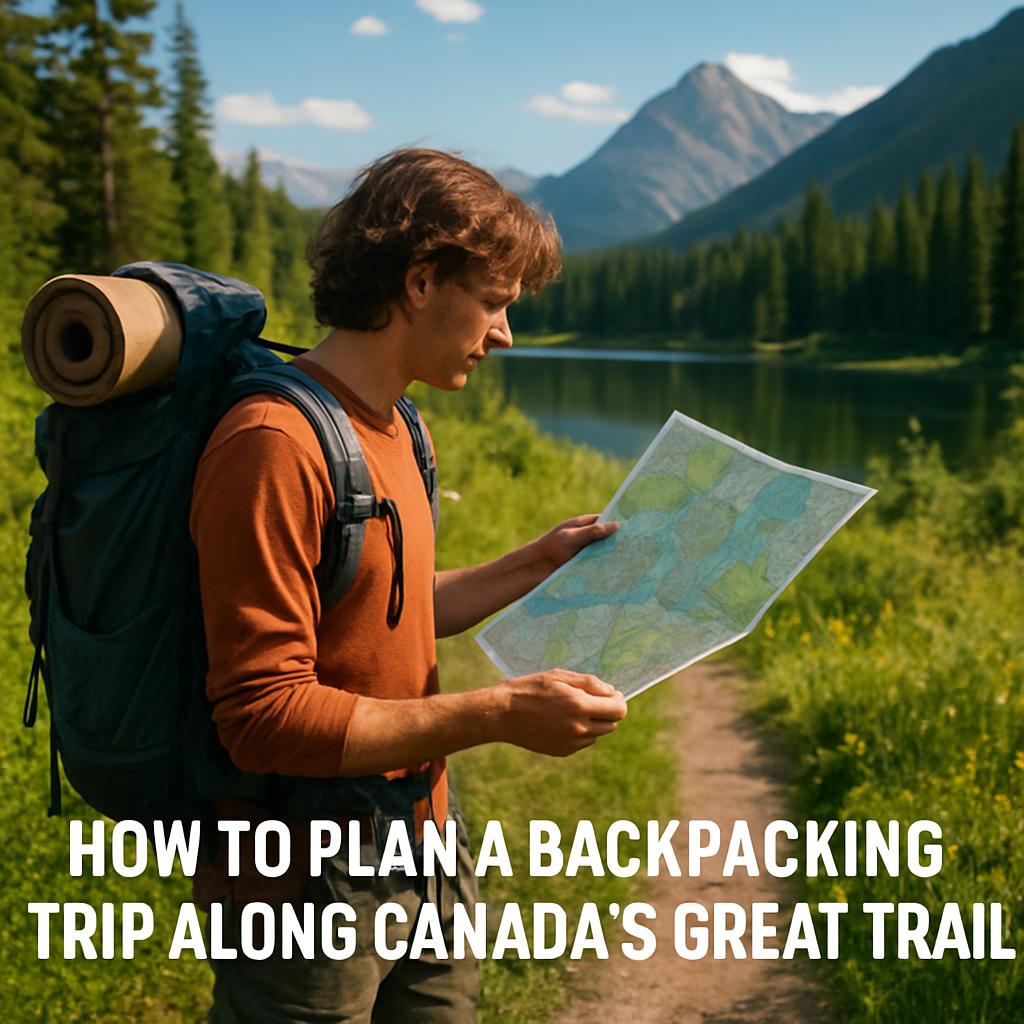
How to Plan a Backpacking Trip Along Canadas Great Trail
Posted on September 25, 2026 • 4 minutes • 746 words
Table of contents
- Understanding Canada’s Great Trail
- Choosing the Right Trail Segment for Backpacking
- Packing Smart for Your Backpacking Journey
- Staying Safe on the Trail
- Planning Your Daily Itinerary and Campsites
- Accessing Trail Resources and Support
- Enjoying the Cultural and Natural Highlights
- Final Thoughts on a Successful Backpacking Trip
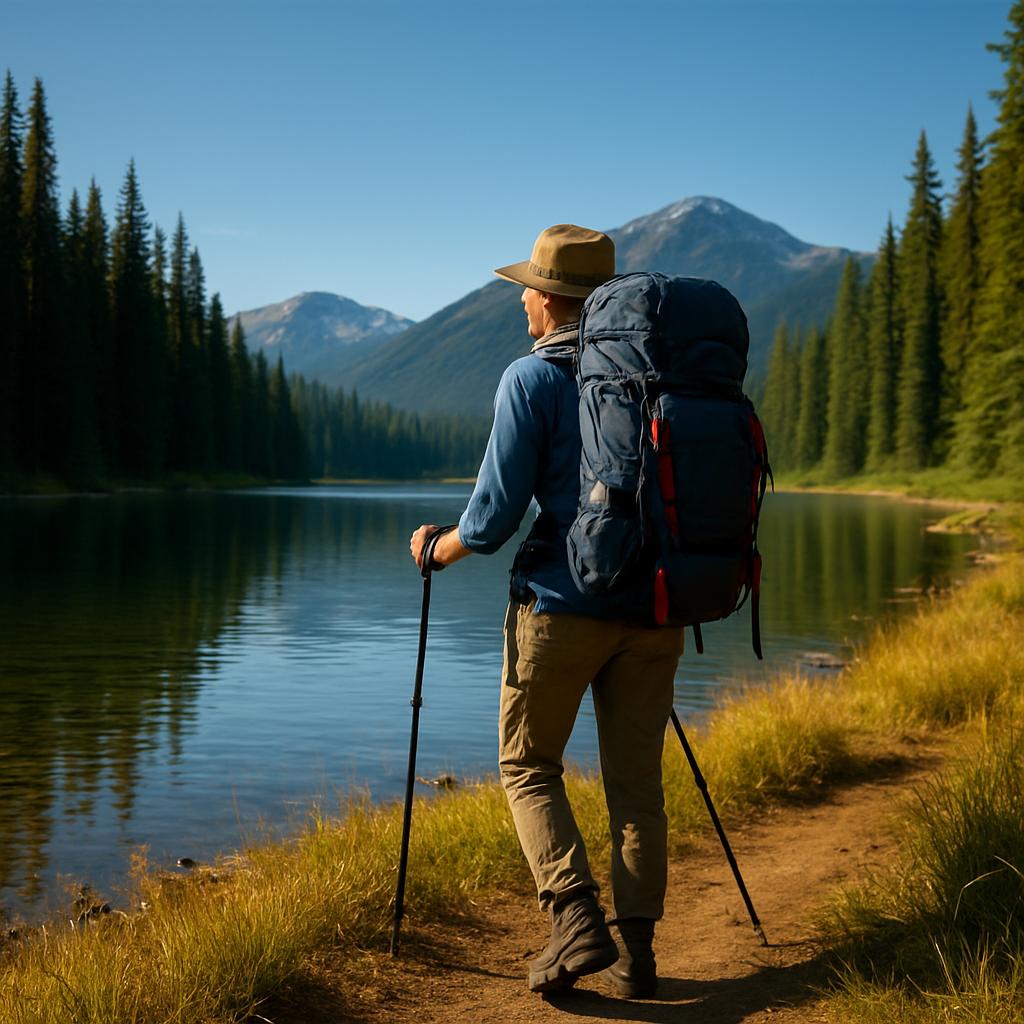
Planning an adventurous backpacking trip offers a thrilling way to connect with nature, challenge your limits, and explore new horizons. Canada’s Great Trail, often celebrated as the world’s longest network of recreational trails, stretches over 24,000 kilometers across the country. It winds through breathtaking landscapes, from rugged coastlines to dense forests, quaint towns to vibrant cities. For those considering a backpacking journey along this magnificent trail, thoughtful preparation can turn the experience into an unforgettable exploration of Canadian wilderness and culture.
Understanding Canada’s Great Trail
Canada’s Great Trail, also known as the Trans Canada Trail, links urban centers and remote wilderness areas, providing diverse experiences for all kinds of hikers. The trail comprises sections for walking, cycling, paddling, and horseback riding, making it versatile for outdoor enthusiasts. Before setting out, familiarize yourself with the specific segment you wish to explore, as terrain difficulties and facilities vary widely. Research trail maps and guides provided by The Great Trail website to choose routes that align with your skill level and interests.
Choosing the Right Trail Segment for Backpacking
With thousands of kilometers at your disposal, selecting a trail segment that fits your timeline and fitness is key. Shorter sections near urban areas, such as those around Vancouver or Toronto, offer easier access to amenities and emergency services. If you’re seeking solitude and rugged adventure, consider the remote stretches in British Columbia, Alberta, or Newfoundland. Pay attention to trail conditions, elevation changes, and weather patterns for your planned timeframe. Trail communities and local outdoor forums can provide invaluable insights about current conditions and hidden gems.
Packing Smart for Your Backpacking Journey
Packing efficiently balances preparedness with lightness. Essentials include a durable backpack with ergonomic support, suitable clothing layers for unpredictable weather, a reliable tent or shelter, and a high-quality sleeping bag. Food provisions should be lightweight and calorie-dense, such as dehydrated meals, nuts, and energy bars. Hydration systems or water purification methods are critical, as water sources vary along the trail. Navigation tools like GPS devices, maps, and compasses ensure you stay on course. Don’t forget first-aid supplies, insect repellent, and sun protection.
Staying Safe on the Trail
Safety remains paramount when backpacking along Canada’s Great Trail. Inform someone trustworthy about your itinerary and check-in schedule. Carry a satellite messenger or emergency beacon for areas with limited cell coverage. Monitor weather forecasts regularly and be prepared to adjust plans in case of severe conditions. Wildlife encounters are part of the adventure, so educate yourself about local animals and carry bear spray where applicable. Knowing basic wilderness survival skills can provide peace of mind and improve your readiness.
Planning Your Daily Itinerary and Campsites
Breaking down your journey into manageable daily segments helps maintain pace and energy. Account for elevation climbs, rest breaks, and time spent at points of interest. Campsites are scattered along the trail, ranging from designated campgrounds to backcountry spots. Some areas require permits for camping, so check regulations ahead and reserve if necessary. Respecting Leave No Trace principles keeps the trail pristine for everyone. Setting up camp early allows you to rest and enjoy the surrounding scenery without rushing.
Accessing Trail Resources and Support
Canada’s Great Trail is supported by numerous organizations and community groups that enhance the backpacking experience. Trailheads often have parking areas, information boards, and facilities like washrooms. Local visitor centers can provide maps, weather updates, and advice on nearby services. Participating in online forums or social media groups dedicated to the trail can connect you with fellow hikers and recent trail reports. These resources can improve safety and enjoyment during your adventure.
Enjoying the Cultural and Natural Highlights
Each stretch of the Great Trail showcases unique cultural heritage and natural beauty. Whether hiking through indigenous lands, historic sites, or national parks, learn about the stories behind the landscape. Take moments to appreciate flora and fauna exclusive to Canadian regions. Photography, journaling, or sketching can enrich your immersion and capture memories. Interacting with locals or other hikers might reveal tips and narratives that enhance your overall journey.
Final Thoughts on a Successful Backpacking Trip
Meticulous planning transforms a backpacking trip along Canada’s Great Trail into a rewarding expedition. By understanding the trail’s vastness, selecting suitable segments, preparing gear, prioritizing safety, organizing daily itineraries, tapping into available resources, and embracing the natural and cultural essence, adventurers create meaningful connections with Canada’s great outdoors. Embarking on this trek invites discovery and personal growth—an inspiring way to experience Canada’s spectacular wilderness one step at a time.