How to Experience the Stikine River Delta
Posted on October 30, 2026 • 5 minutes • 914 words
Table of contents
- What is the Stikine River Delta and why visit it?
- How can backpackers reach the Stikine River Delta safely?
- What wildlife and nature can you expect in the Stikine River Delta?
- What activities can travelers do in the Stikine River Delta?
- When is the best time to experience the Stikine River Delta?
- Frequently Asked Questions
Flowing from the rugged mountains of British Columbia and emptying into the Pacific Ocean, the Stikine River Delta offers backpackers a unique encounter with one of Canada’s most remote and pristine river ecosystems. Experiencing this deltaule means immersing yourself in vast wetlands, discovering abundant wildlife, and navigating a wild waterway through unspoiled wilderness. For adventurous travelers seeking an off-the-beaten-path destination, understanding how to explore the Stikine River Delta properly will unlock unforgettable moments in nature.
What is the Stikine River Delta and why visit it?
The Stikine River Delta is a complex network of channels, marshes, tidal flats, and forested islands formed where the Stikine River meets the waters of the Alaska Panhandle near Wrangell. This area stands out as one of the largest intact coastal river deltas on the west coast of North America. It is celebrated for:
- Extensive wetlands that support diverse bird species and wildlife
- Salmon spawning grounds vital to local ecosystems and indigenous communities
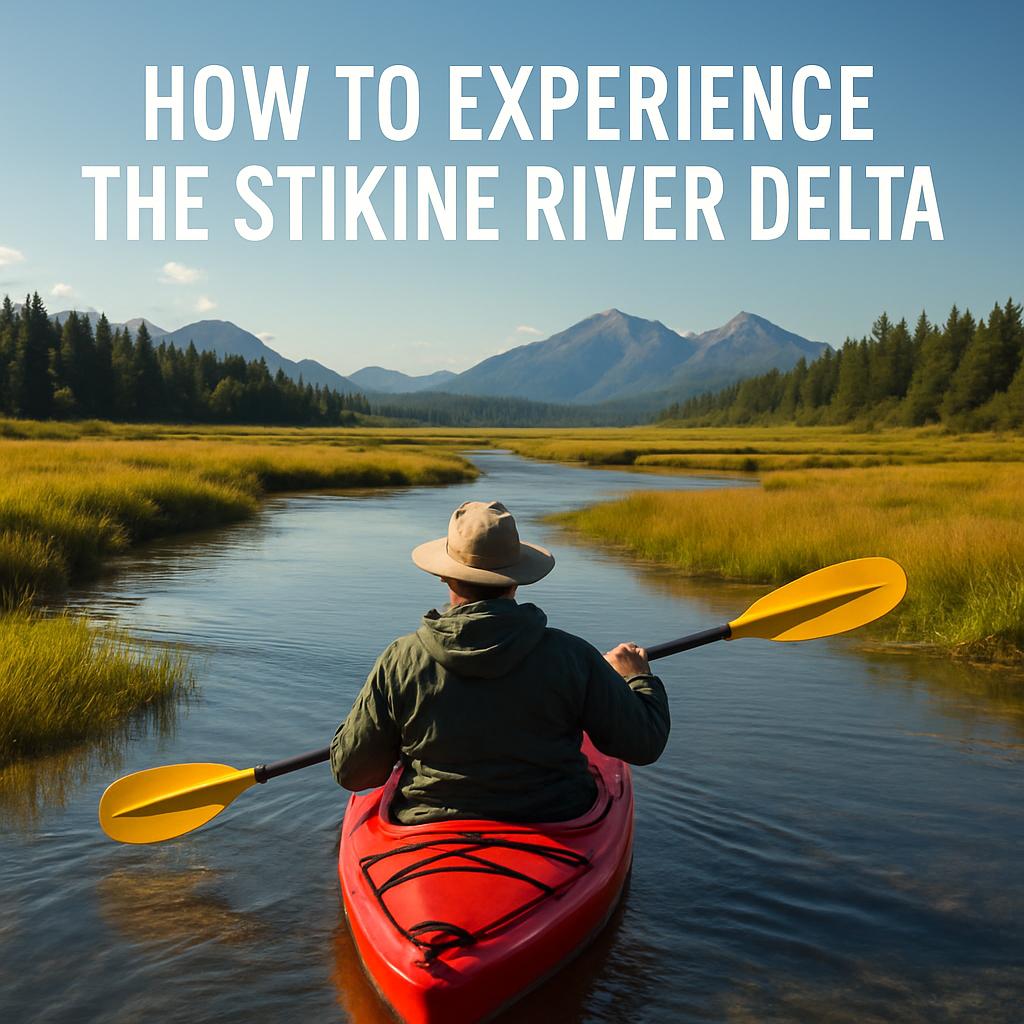
- Scenic backcountry ideal for kayaking, canoeing, and hiking
- Cultural heritage sites linked to the Tlingit First Nation
Visitors who seek solitude and natural beauty will find the delta a rewarding destination rich in opportunities for wildlife viewing, photography, and wilderness exploration far from developed amenities.
How can backpackers reach the Stikine River Delta safely?
Accessing the Stikine River Delta requires careful planning due to its remote location and rugged terrain. The primary gateway town is Wrangell, Alaska, accessible by ferry or floatplane. From Wrangell, getting into the delta involves:
- Water travel: Renting a kayak, canoe, or arranging a guided boat tour to explore the maze of channels and tidal flats
- Floatplanes: Small aircraft can deliver adventurers deeper into the delta or nearby lakes
- Trekking: Limited hiking along certain parts of the riverbanks or joining guided multi-day expeditions
Safety tips for backpackers include:
- Checking weather and tide charts before launching excursions
- Carrying appropriate gear for wet and mosquito-prone environments
- Informing someone of your itinerary and expected return
- Bringing navigation tools, waterproof maps, and communication devices
Local outfitters and tour guides provide valuable knowledge to ensure safe and enjoyable exploration.
What wildlife and nature can you expect in the Stikine River Delta?
The Stikine River Delta hosts an impressive variety of wildlife, making it a hotspot for nature fans. Expect to see:
- Birds: Bald eagles, great blue herons, trumpeter swans, and migrating waterfowl
- Aquatic life: Salmon species, including sockeye and pink salmon, entering the river for spawning
- Mammals: Black bears and black-tailed deer frequent the forests flanking the delta
- Marine mammals: Seals often rest on riverbanks; occasionally, whales may be spotted offshore
The complex wetland habitat supports diverse plant life such as sedges, alder, and cottonwoods, adding layers to this ecological treasure. Photographers and wildlife watchers should bring binoculars and be prepared for early morning or late afternoon outings when animal activity peaks.
What activities can travelers do in the Stikine River Delta?
Backpackers and outdoor lovers can choose from a variety of activities that highlight the natural appeal of the delta:
- Kayaking and canoeing: Glide through narrow channels and tidal creeks, spotting wildlife and enjoying serene watercraft travel
- Hiking and day trips: Explore trails near Wrangell or along accessible parts of the delta shoreline to find hidden viewpoints
- Fishing: Angling for salmon during runs is a popular activity; anglers must follow local regulations
- Photography: Capture stunning landscapes, birdlife, and river scenes in every season
- Cultural experiences: Interact respectfully with local indigenous communities or visit heritage sites when possible
Camping on the delta’s more remote islands or riverside beaches provides an immersive wilderness experience far from crowds.
When is the best time to experience the Stikine River Delta?
Timing your trip will impact the kinds of experiences you have. Consider these seasonal factors:
- Summer (June to August): The best period for most activities. Warmer weather and long daylight hours facilitate exploring by boat and on foot. This is also prime time for birdwatching and salmon fishing. Mosquitoes can be heavy, so insect repellent is essential.
- Spring (April to May): Migratory birds arrive, and the early salmon runs begin. Cooler weather means fewer bugs but some waterways may still have high water flow.
- Fall (September to October): Cooler temperatures and spectacular fall colors. Salmon spawn runs continue, though days shorten.
- Winter (November to March): Not recommended for most backpacking due to harsh conditions, cold temperatures, and limited access.
Selecting summer or early fall offers the best balance of weather, wildlife activity, and accessibility.
Frequently Asked Questions
How do I get permits for camping or fishing in the Stikine River Delta?
Permits depend on the specific areas you plan to visit and activities like fishing. Contact Alaska Department of Fish and Game for fishing licenses and inquire with local authorities or indigenous groups regarding camping regulations to ensure compliance.
Are there guided tours available for exploring the Stikine River Delta?
Yes, local outfitters in Wrangell offer guided kayaking, canoeing, and multi-day wilderness tours led by experienced guides. These are great for gaining local knowledge and improving safety.
What gear should I pack for a hiking and kayaking trip to the Stikine River Delta?
Recommended gear includes waterproof clothing, sturdy footwear for wet and muddy terrain, insect repellent, waterproof dry bags, navigation tools, binoculars, and camping equipment if staying overnight.
Is the Stikine River Delta accessible for beginner kayakers or hikers?
While parts of the delta are suitable for beginners, paddling in tidal waters and remote wilderness areas requires caution. Newcomers should consider guided trips to navigate the complex waterways safely.