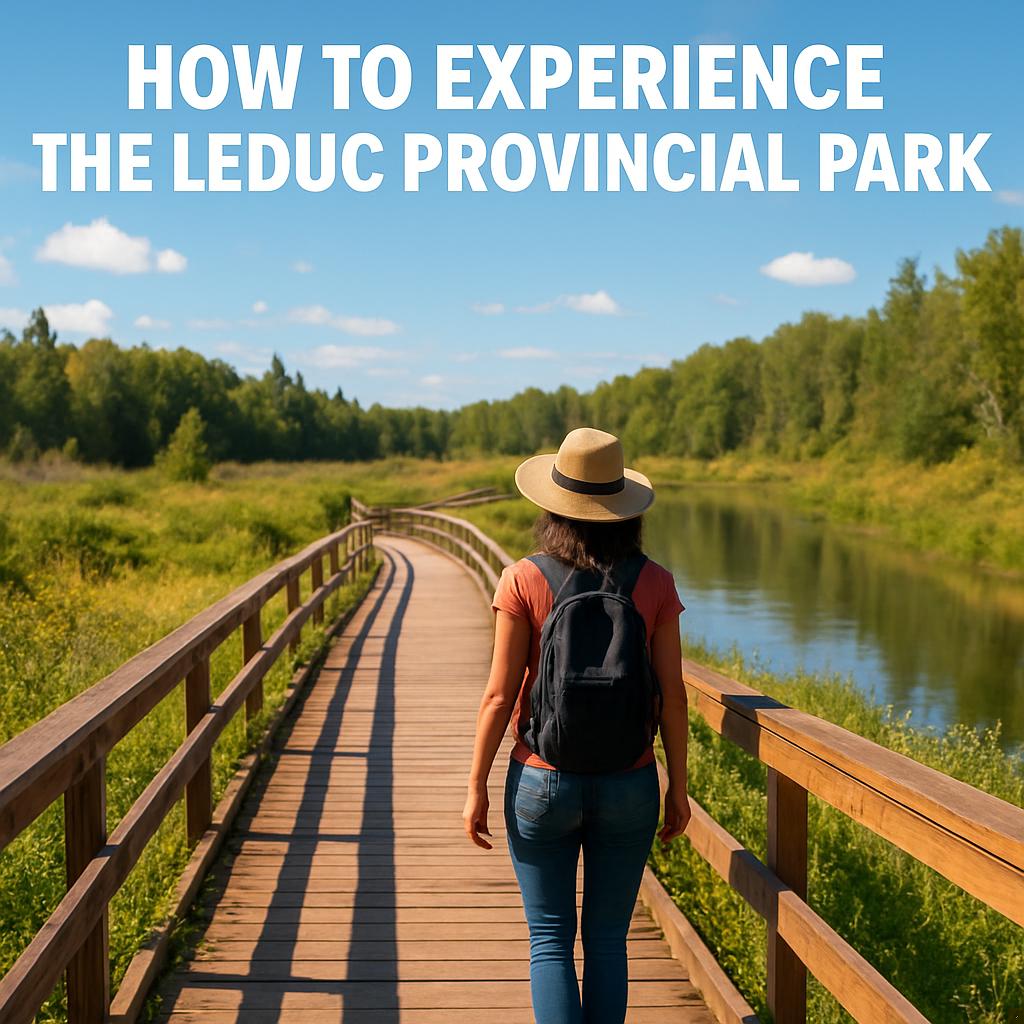
How to Experience the Leduc Provincial Park
Posted on November 6, 2026 • 5 minutes • 884 words
Table of contents
- How to Get to Leduc Provincial Park and What to Know Before You Go
- What Activities Are Available at Leduc Provincial Park for Outdoor Fun
- How to Book Camping Sites and What Facilities Are at Leduc Provincial Park
- What Should You Pack for a Visit to Leduc Provincial Park
- How to Respect Nature and Follow Park Guidelines at Leduc Provincial Park
- Frequently Asked Questions
Exploring Leduc Provincial Park offers a perfect blend of nature, recreation, and relaxation, making it an ideal getaway for outdoor enthusiasts and families alike. Whether you’re planning a day trip or a longer camping adventure, this hidden gem in Alberta provides ample opportunities to connect with nature. Here’s how to make the most of your visit to Leduc Provincial Park with helpful tips and insights for every traveler.
How to Get to Leduc Provincial Park and What to Know Before You Go
Located just south of the city of Edmonton, Leduc Provincial Park is easily accessible by car, making it a popular destination for locals and visitors to Alberta. The park sits on the southern shore of Blackmud Lake and is reachable via Highway 2 or Highway 21.
When planning your trip, consider these travel details:
- Entrance is free; however, check for any seasonal advisories or restrictions.
- Parking is available near the main campground and day-use areas.
- The park is open year-round but amenities may vary by season.
- Cell phone coverage can be spotty; prepare accordingly.
Arriving early on weekends and holidays can help you secure a good campsite or picnic spot, as the park tends to fill up during peak seasons.
What Activities Are Available at Leduc Provincial Park for Outdoor Fun
Leduc Provincial Park caters to a variety of outdoor interests, with plenty of options for hiking, swimming, picnicking, and bird watching. Its natural setting and well-maintained facilities provide something for every type of park visitor.
Enjoy these activities during your stay:
- Hiking and Nature Trails: Explore the trails winding through forested areas and along the lake’s edge, perfect for spotting local wildlife.
- Swimming and Beach Time: The designated beach area offers safe swimming with beautiful lake views – ideal for hot summer days.
- Fishing: Blackmud Lake is home to species like northern pike and perch; anglers will appreciate easy shore access.
- Picnicking: Numerous picnic tables and shelters make for excellent outdoor meals.
- Bird Watching: The area attracts various bird species, making it a great spot for bird enthusiasts and photographers.
- Winter Recreation: Cross-country skiing and snowshoeing are popular when the park is covered in snow.
How to Book Camping Sites and What Facilities Are at Leduc Provincial Park
Camping at Leduc Provincial Park is a highly recommended experience for those wanting to extend their stay and embrace the outdoors fully. The campground offers both powered and unpowered sites, accommodating tents, trailers, and RVs.
Important camping details include:
- Reservations: Book well in advance through the official Alberta Parks reservation system, especially for summer weekends.
- Facilities: Campsites feature fire pits, picnic tables, potable water nearby, and clean washrooms with showers.
- Accessibility: Some sites are accessible for guests with disabilities.
- Rules: Quiet hours and pet policies help keep the environment pleasant for all visitors.
- Safety: Bear-proof food lockers are provided; always store food properly to keep wildlife away.
Campers often enjoy sunsets over the lake and campfire gatherings under starry skies, making for memorable nights.
What Should You Pack for a Visit to Leduc Provincial Park
Packing the right gear enhances your enjoyment and comfort during your visit. Since weather in Alberta can be unpredictable, preparation is key.
Consider these packing essentials:
- Comfortable hiking shoes and layered clothing.
- Swimwear, towels, and sun protection like hats and sunscreen.
- Fishing gear and permits if you plan to fish.
- Camping equipment: tent, sleeping bags, cooking supplies, and lanterns.
- Insect repellent, especially during summer months.
- Binoculars and cameras for wildlife and bird watching.
- Snacks, plenty of water, and a cooler for perishables.
Prepare for changing conditions by bringing rain gear and warm layers for cooler evenings.
How to Respect Nature and Follow Park Guidelines at Leduc Provincial Park
Protecting the natural environment of Leduc Provincial Park ensures it remains a beautiful destination for future visitors. Practicing responsible park etiquette is essential during your trip.
Key guidelines include:
- Keep to marked trails to avoid damaging vegetation.
- Pack out all garbage and dispose of waste in designated bins.
- Follow fire safety rules and only use fire pits provided.
- Observe wildlife from a distance and do not feed animals.
- Keep noise levels down to preserve peaceful surroundings.
- Use biodegradable soap if washing outdoors.
- Leash pets and clean up after them.
By respecting these principles, you help safeguard the park’s natural charm and wildlife habitat.
Frequently Asked Questions
What is the best time of year to visit Leduc Provincial Park?
The park is best visited from late spring through early fall for camping, hiking, and swimming. Summer months offer warm temperatures and full access to all facilities, while winter invites cross-country skiing and snowshoeing.
Are there any fees to enter or camp at Leduc Provincial Park?
There is no entrance fee for day users. Camping sites require payment and reservations, which can be made online through Alberta Parks, with prices varying by site type and season.
Can I bring my dog to Leduc Provincial Park?
Yes, dogs are welcome but must be kept on a leash at all times. Owners are expected to clean up after their pets to maintain park cleanliness.
Is fishing allowed at Leduc Provincial Park, and do I need a permit?
Fishing is permitted in Blackmud Lake, and anglers must have a valid Alberta fishing license. Regulations regarding catch limits and seasons should be followed for sustainable fishing.