How to Experience Canadas Unique Winter Festivals
Posted on October 31, 2026 • 5 minutes • 921 words
Table of contents
- What are the best winter festivals in Canada to experience this season?
- How to prepare for attending Canada’s winter festivals safely and comfortably?
- What are unique activities to experience at Canadian winter festivals?
- Where can travelers find authentic Canadian winter festival food and drinks?
- How to navigate transportation and accommodations during Canada’s winter festivals?
- Frequently Asked Questions
Canada’s winter months bring more than just snow and chilly temperatures—they offer a chance to immerse yourself in some of the world’s most captivating and unique winter festivals. From cultural celebrations to dazzling ice sculptures, these events celebrate the season with warmth, light, and vibrant community spirit. Whether you’re a local or a traveler seeking a memorable cold-weather adventure, discovering how to experience Canada’s unique winter festivals can turn your winter into an unforgettable season.
What are the best winter festivals in Canada to experience this season?
Canada’s diversity shines through its winter festivals, each showcasing local culture, art, and outdoor fun. Here are some standout events to consider:
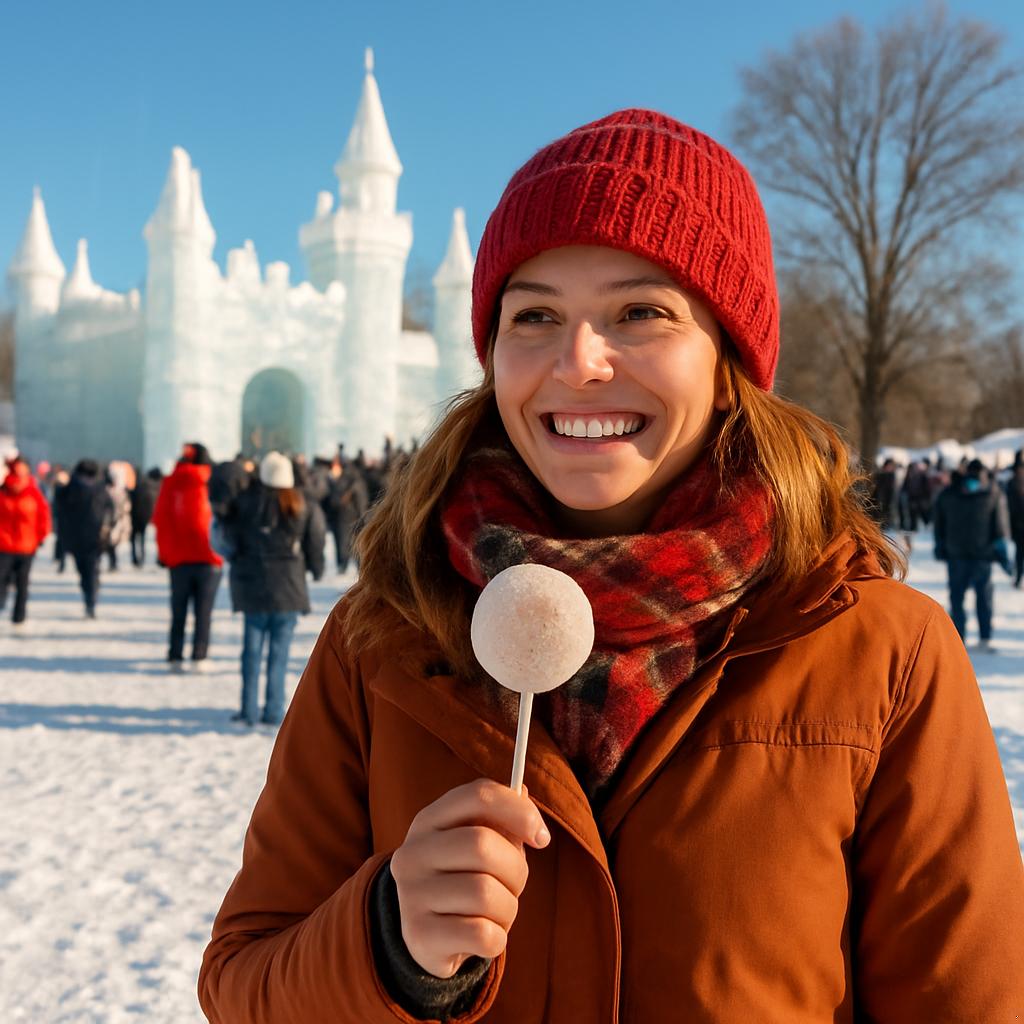
- Quebec Winter Carnival (Carnaval de Québec): One of the largest winter festivals in the world, famous for its ice palaces, snow sculptures, night parades, and the iconic Bonhomme Carnaval mascot.
- Winterlude in Ottawa: Celebrated in the nation’s capital, featuring massive ice skating rinks, ice sculpture competitions, and cultural performances.
- Festival du Voyageur (Winnipeg): A lively homage to French Canadian fur-trappers with music, traditional food, and interactive outdoor activities.
- Niagara Icewine Festival: Dive into tastings of Canada’s celebrated ice wines, paired with gourmet food and live entertainment.
- Fête des Neiges de Montréal: Family-friendly fun with outdoor games, snow slides, and cultural workshops.
These festivals offer varied experiences, from traditional cultural displays to contemporary winter art and gastronomy.
How to prepare for attending Canada’s winter festivals safely and comfortably?
Winter in Canada can be extreme, making preparation crucial for an enjoyable festival experience. Here’s what to keep in mind:
- Dress in layers: Wear moisture-wicking base layers, insulating middle layers, and waterproof outer layers to stay warm and dry.
- Select proper footwear: Insulated, waterproof boots with good traction help prevent slips on icy surfaces.
- Use accessories: Hats, gloves, scarves, and thermal socks protect against frostbite and wind chill.
- Stay hydrated and nourished: Cold weather can mask dehydration—carry water and eat substantial meals to maintain energy.
- Plan for weather changes: Check forecasts regularly and have a backup plan for extreme conditions or event cancellations.
- Bring hand warmers: Small disposable or reusable warmers keep fingers and toes comfortable during long outdoor activities.
Proper preparation helps you maximize enjoyment without the distraction of being cold or uncomfortable.
What are unique activities to experience at Canadian winter festivals?
Canada’s winter festivals offer far more than just observing—they invite participation in memorable activities that celebrate winter culture:
- Snow sculpting workshops: Try your hand at carving ice or snow alongside professional artists.
- Outdoor skating: Many festivals feature large skating rinks, such as Ottawa’s Rideau Canal, the world’s longest naturally frozen skating rink.
- Traditional winter sports: Join in on snowshoeing, ice fishing, or dog sledding events.
- Cultural storytelling and performances: Experience storytelling sessions, Indigenous drumming, and folk music to connect with winter’s heritage.
- Winter parades and torchlight processions: Watch or join in the magic of night parades illuminated by lanterns or fireworks.
- Sample regional winter foods: Warm up with poutine, maple taffy on snow, smoked sausages, and local craft beers.
These activities engage visitors through hands-on, sensory-rich experiences that celebrate winter with joy and authenticity.
Where can travelers find authentic Canadian winter festival food and drinks?
Tasting foods and drinks unique to Canadian winters is a highlight of these festivals. Here’s what to expect:
- Maple treats: Sip on hot maple syrup, sample maple candies, or indulge in maple-butter tarts.
- Poutine: Savor Quebec’s famous fries topped with cheese curds and rich gravy—a winter staple.
- Tourtière: A traditional French-Canadian meat pie that warms festivalgoers.
- Ice wine and craft brews: Ontario’s Niagara region offers exceptional ice wines, while craft breweries showcase seasonal winter ales.
- Smoked and cured meats: Vendors often offer game sausages and smoked fish, tied to local traditions.
- Hot beverages: From mulled wine to artisanal hot chocolate, these drinks provide warmth and flavor.
Foods at festival food stalls and market areas often feature ingredients sourced locally, providing a taste of Canadian terroir in winter.
How to navigate transportation and accommodations during Canada’s winter festivals?
Planning your travel and stay efficiently enhances your festival experience:
- Book early: Popular festivals attract many visitors; accommodations fill quickly.
- Use public transit: Many cities increase service during major events, providing reliable access while avoiding parking hassles.
- Consider winter vehicle rentals: If exploring more remote festivals, rent a winter-ready car with snow tires.
- Dress for transit waits: Bus and train stops may be exposed to winter conditions.
- Select lodging near festival venues: Saves time and energy in cold weather.
- Check local travel advisories: Winter road conditions can affect schedules.
Getting these details sorted in advance helps maintain comfort and peace of mind throughout your festival stay.
Frequently Asked Questions
When do Canada’s major winter festivals usually take place?
Most Canadian winter festivals run from late January through February, taking advantage of the deepest winter months for snow and ice activities. Some extend into early March depending on local climate.
Can beginners participate in outdoor winter activities at festivals?
Yes, many festivals offer beginner-friendly workshops and rental equipment for activities like skating, snowshoeing, and ice sculpting, making it easy to try something new even without prior experience.
Are Canada’s winter festivals family-friendly?
Absolutely, many festivals cater to families with children’s activities such as snow slides, puppet shows, and workshops designed to engage younger visitors.
Do I need to book tickets in advance for Canada’s winter festivals?
Ticketing policies vary; some events require advance purchase for specific activities or access to indoor venues, while many outdoor daytime festivities remain free. Checking each festival’s official site ahead of your trip is recommended.