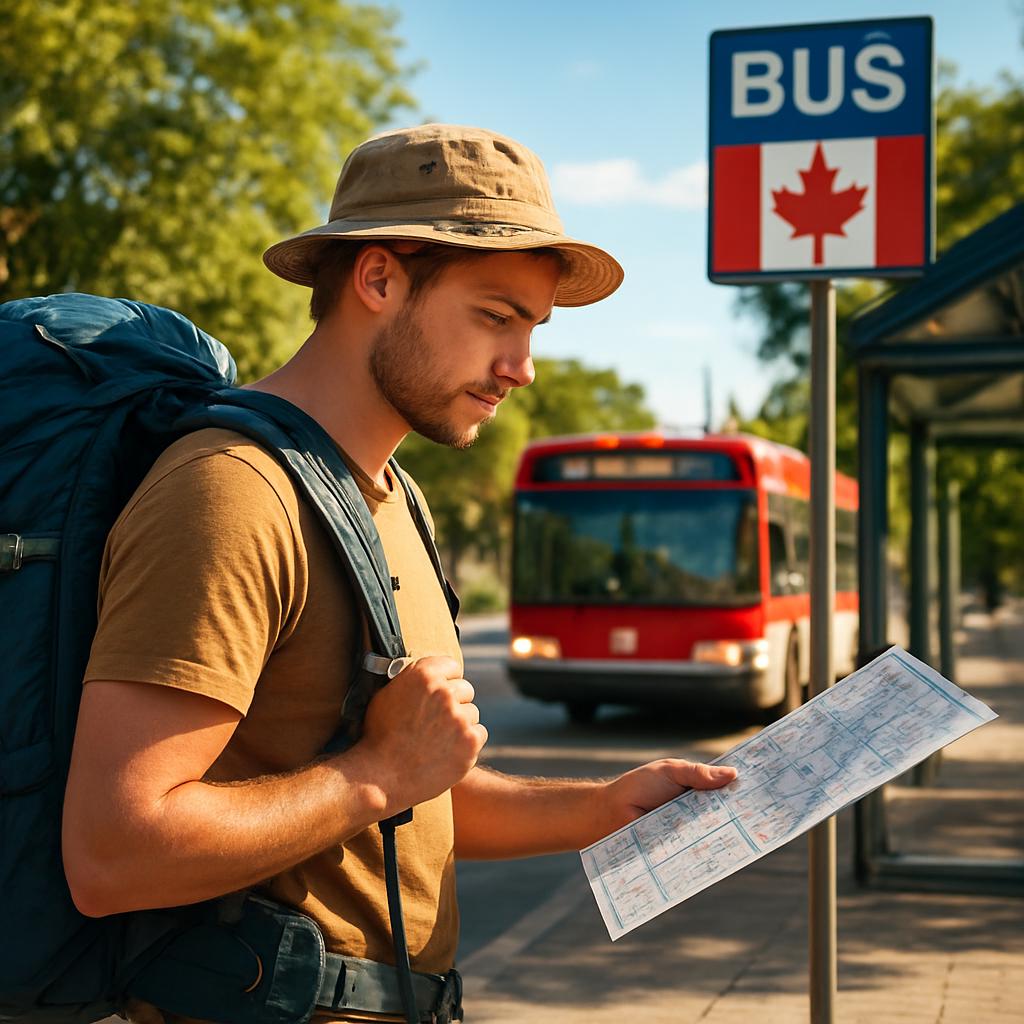
Guide to Using Public Transportation as a Backpacker in Cana
Posted on November 11, 2026 • 5 minutes • 869 words
Table of contents
- How can backpackers use public transportation in Canadian cities efficiently?
- What are the best intercity public transportation options for backpackers in Canada?
- How to navigate public transportation in rural and remote areas of Canada?
- What are cost-saving tips for backpackers using Canadian public transit?
- How to stay safe while using public transportation in Canada as a backpacker?
- Frequently Asked Questions
Navigating a new country on a backpacker budget can be daunting, especially when it comes to understanding public transit systems. Canada’s vast terrain and diverse cities offer a multitude of public transportation options that are wallet-friendly and efficient for travelers with a backpack. With careful planning and a few insider tips, getting around Canada using buses, trains, subways, and ferries can become an adventure in itself, letting you explore cities and remote areas without breaking the bank.
How can backpackers use public transportation in Canadian cities efficiently?
Canadian urban centers like Toronto, Vancouver, Montreal, and Calgary have well-developed transit networks including buses, subways, trams, and commuter trains. Backpackers benefit from these systems as they provide affordable, frequent, and safe means to move around.
- Purchase day passes or weekly transit cards for cost savings.
- Download the city’s transit app for real-time updates on schedules and routes.
- Avoid peak commuting hours when buses and trains tend to be crowded.
- Keep a map handy or offline maps downloaded on your phone to navigate connections smoothly.
- Use bike-share programs available at transit hubs for short distances.
Some cities have integrated transit payment systems, allowing you to use contactless credit cards, or reloadable cards like the PRESTO card in Toronto or Compass card in Vancouver. These cards ease transfers and often offer reduced fare options for youth or long-distance travel.
What are the best intercity public transportation options for backpackers in Canada?
Canada’s immense size means long-distance travel can take time, yet it’s possible to travel affordably between cities using public options:
- VIA Rail: The national passenger rail service covers major routes east to west. Booking in advance can net discounted fares.
- Greyhound and other coach buses: These cover many routes at low cost, though some lines have reduced frequency.
- Regional transit providers: Areas like Quebec and British Columbia have regional bus companies connecting smaller towns.
- Budget airlines paired with transit: Once in a city, use public transit for local travel.
Intercity buses often offer Wi-Fi and charging ports, facilitating productive travel time for backpackers. Be aware that travel times and schedules can vary seasonally.
How to navigate public transportation in rural and remote areas of Canada?
Rural Canada and less populated regions typically have limited public transit, making planning key for backpackers:
- Check touristic or municipal websites for shuttle services or community buses.
- Rent a bicycle in smaller towns to cover local distances.
- Hitchhiking is practiced in some regions but always consider personal safety.
- For national parks, look for park shuttle buses available during peak seasons.
- Use ride-sharing apps or taxi services when public transport is unavailable.
Some provinces offer specialized transportation programs for remote residents but these may also be useful to visitors. Combining walking, cycling, and timed shuttles can extend your reach beyond cities.
What are cost-saving tips for backpackers using Canadian public transit?
Keeping public transport expenses low enables longer stays and more exploration on a backpacker budget.
- Look into multi-day or multi-ride passes.
- Use off-peak travel times when fares can be cheaper.
- Consider regional transit passes if traveling between neighboring cities.
- Use transit apps that alert you to fare promotions.
- Carry exact change for cash payments since not all vehicle operators give change.
- Avoid taxis or rideshares within cities unless necessary.
Some transit systems allow passengers to transfer between routes free or for a small fee - leverage these options when planning your routes. Many cities offer discounts for youth under 25, which backpackers of the right age should check out.
How to stay safe while using public transportation in Canada as a backpacker?
Public transit is generally safe across Canada, but following basic precautions is wise when traversing unfamiliar places:
- Keep your backpack in front or close to you during transit.
- Stay in well-lit, populated transit stops especially at night.
- Avoid displaying large amounts of cash or valuables while riding.
- Be aware of each stop and your route to avoid accidental overshooting.
- Use official transit vehicles and verified apps for journey info.
- Trust your instincts and seek help from transit staff in stations if needed.
Walking between connections and waiting well inside stations at busier stops enhances security. Informing a friend or family member of your route is a good safety habit.
Frequently Asked Questions
How do backpackers buy transit passes in Canadian cities?
Most transit systems sell passes at station kiosks, convenience stores, or online through official transit websites. Preparing a reloadable card or app-based ticket before travel is often easiest to avoid queues.
Can backpackers use public transit late at night in Canada?
While larger cities have night buses or trains on select routes, many systems reduce service frequency late at night. Always check schedules in advance and plan for taxi or rideshare backup if arriving late.
Are Canadian public transportation systems backpacker-friendly?
Yes, with straightforward fares, frequent services, and accessible information, Canada’s public transit handles travelers well. Carrying a day pack is common, and many buses and trains have luggage storage areas.
What’s the best way to travel between Canadian cities without a car?
Intercity buses and VIA Rail trains provide reliable and affordable options. Booking early can secure cheaper tickets and seat reservations, which is important during peak travel periods like summer and holidays.