Guide to the Most Scenic Hiking Trails in Jasper National Pa
Posted on October 26, 2026 • 5 minutes • 892 words
Table of contents
- What are the most scenic hiking trails in Jasper National Park?
- How to prepare for hiking scenic trails in Jasper National Park?
- When is the best time to hike scenic trails in Jasper National Park?
- Where to find guided tours on scenic hiking trails in Jasper National Park?
- What wildlife might you see on Jasper National Park’s scenic hiking trails?
- Frequently Asked Questions
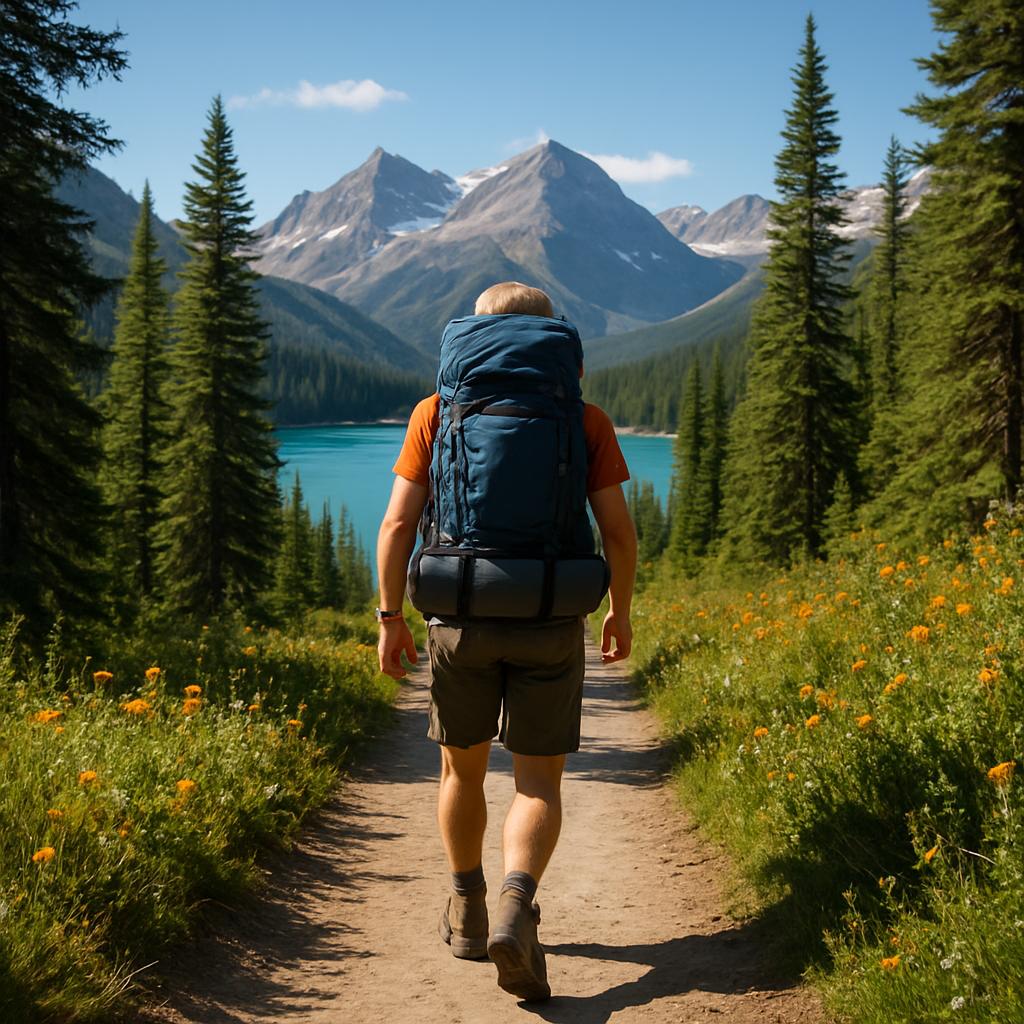
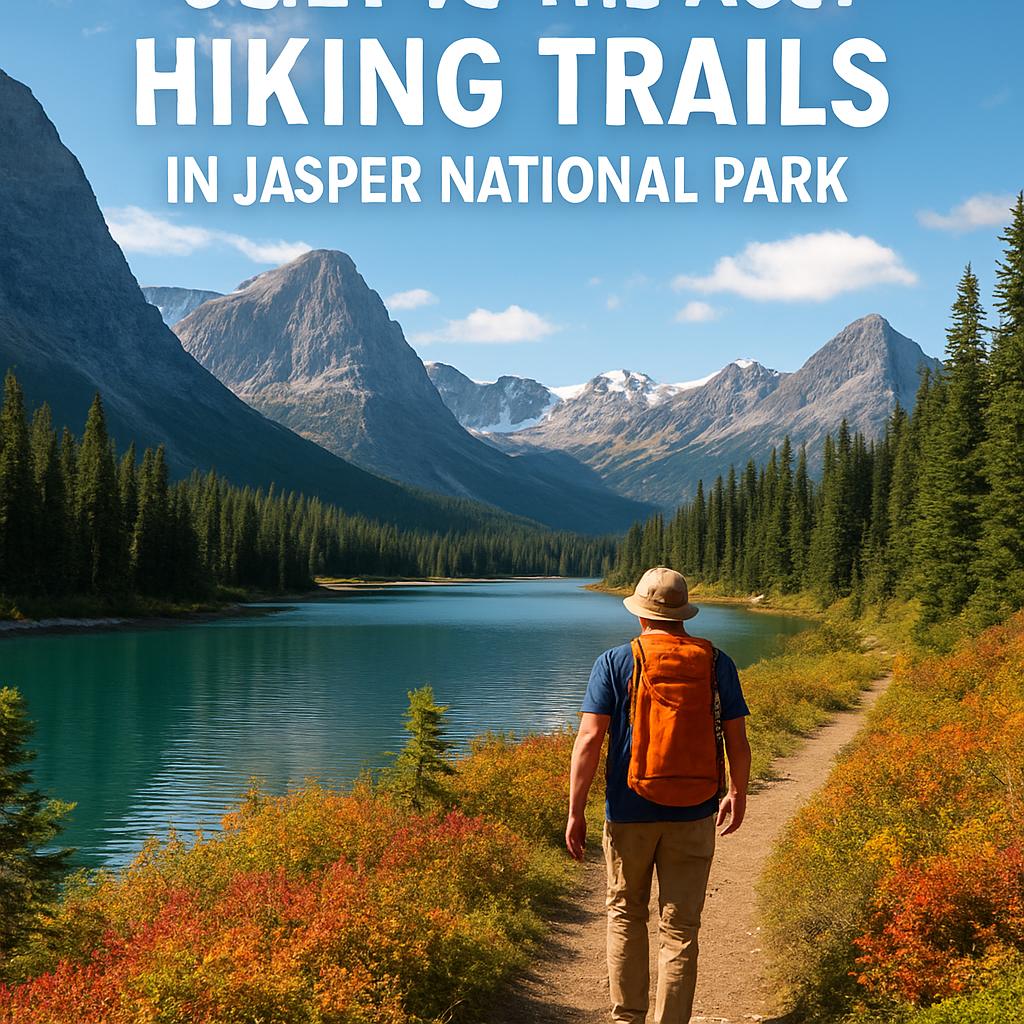
Jasper National Park offers some of the most breathtaking hiking experiences in Canada, perfect for adventure seekers and nature lovers. With its diverse terrain, towering mountains, crystal-clear lakes, and abundant wildlife, this UNESCO World Heritage Site captivates every visitor. Whether you’re a seasoned hiker or someone looking for a peaceful day trek, Jasper has trails that promise stunning views and memorable encounters with the wilderness.
What are the most scenic hiking trails in Jasper National Park?
Jasper National Park features a variety of trails that showcase the park’s rugged beauty. Each hike delivers something unique, from panoramic mountain vistas to serene alpine meadows. Some of the top scenic trails include:
- Maligne Canyon Trail: Famous for its deep limestone gorge and cascading waterfalls, this easy trail offers incredible views with minimal effort.
- Sulphur Skyline Trail: A challenging yet rewarding hike leading to a summit with sweeping views of the surrounding mountains and Jasper townsite.
- Valley of the Five Lakes: A moderate hike passing five picturesque turquoise lakes surrounded by forest, perfect for wildlife spotting and photography.
- Edith Cavell Meadows: A trail that leads to wildflower-covered meadows with striking views of Mount Edith Cavell and Angel Glacier.
- Old Fort Point Loop: A loop trail that delivers panoramic views of the Athabasca River and surrounding peaks.
These routes combine accessibility with breathtaking scenery, making them perfect choices for scenic hikes.
How to prepare for hiking scenic trails in Jasper National Park?
Preparation is key for enjoying Jasper’s scenic hiking trails safely and comfortably. Knowing what to bring and how to get ready can enhance your experience.
- Check weather conditions before you head out; mountain weather can change rapidly.
- Wear sturdy hiking boots with good traction to handle rugged and sometimes slippery terrain.
- Dress in layers to adjust to varying temperatures on the trail.
- Pack essentials, such as:
- Water (at least 2 liters per person)
- Snacks or a light meal
- Map or GPS device
- First aid kit
- Bear spray (Jasper is home to black and grizzly bears)
- Sun protection (hat, sunglasses, sunscreen)
- Start early to maximize daylight and avoid afternoon thunderstorms common in the Rockies.
- Inform someone about your plans, especially when hiking less-traveled trails.
Being well-prepared helps you fully appreciate the scenic views without unnecessary stress.
When is the best time to hike scenic trails in Jasper National Park?
Jasper’s hiking season generally runs from late spring to early fall, but the best time for scenic trails depends on what you want to see.
- Summer (June to early September) offers the warmest weather, most trail access, and blooming wildflowers in alpine areas.
- Fall (September to October) provides spectacular autumn colors and fewer crowds but cooler temperatures.
- Late spring (May to June) affords chances to see waterfalls at their fullest from melting snow, though some higher trails may still have snow patches.
- Winter hiking requires special gear like snowshoes but rewards visitors with serene snow-covered landscapes, quieter trails, and frozen waterfalls.
If your priority is vibrant scenery and easy access, late June through September is ideal.
Where to find guided tours on scenic hiking trails in Jasper National Park?
For those unfamiliar with the area or wanting expert insight, guided hiking tours are a great option. Licensed guides can offer safety, local knowledge, and wildlife spotting opportunities.
- Look for tour companies offering:
- Half-day or full-day guided hikes on popular scenic trails
- Wildlife and nature interpretation during the hike
- Custom or private group tours tailored to your interests and fitness level
- Guides typically provide necessary equipment and ensure adherence to park regulations.
- Booking in advance, especially during peak season, is recommended to secure your spot.
Local outfitters in Jasper town are your best resource to connect with professional guides.
What wildlife might you see on Jasper National Park’s scenic hiking trails?
Jasper is known for its rich wildlife, and hiking its trails increases your chances of spotting some fascinating animals among the stunning views.
Common wildlife sightings include:
- Elk, deer, and moose grazing near lakes and meadows
- Mountain goats and bighorn sheep clinging to steep rock faces
- Black bears and occasionally grizzly bears foraging along established trails
- Smaller creatures such as marmots, pikas, and various birds like eagles and hawks
Always maintain a safe distance from wildlife and follow park guidelines for encounters. Early morning or late afternoon hikes often offer the best opportunities to see animals.
Frequently Asked Questions
What are some easy scenic hiking trails in Jasper National Park?
Maligne Canyon Trail and Valley of the Five Lakes are excellent easy hikes with beautiful views and minimal elevation gain, ideal for families and casual hikers.
How long do scenic hikes in Jasper usually take?
Trail durations range from short walks of under an hour to all-day adventures. For example, Sulphur Skyline Trail takes about 4-5 hours round trip, while Valley of the Five Lakes may take 1.5-2 hours.
Are dogs allowed on scenic hiking trails in Jasper National Park?
Dogs are allowed only on specific trails and must be kept on a leash at all times. Always check current park regulations to confirm trail rules before bringing your pet.
What should I do if I encounter a bear while hiking in Jasper?
Stay calm, avoid sudden movements, and slowly back away while facing the bear. Use bear spray if the bear approaches aggressively, and make loud noises to deter it. Never run or climb trees.