Guide to the Best Lakes for Landscape Photography in Alberta
Posted on November 10, 2026 • 5 minutes • 890 words
Table of contents
- What are the top lakes for landscape photography in Alberta?
- When is the best time to photograph Alberta lakes?
- How to prepare for a landscape photography trip to Alberta lakes?
- What are the best photographic techniques for Alberta lake landscapes?
- Where are hidden gems and lesser-known lakes in Alberta for landscape photography?
- Frequently Asked Questions
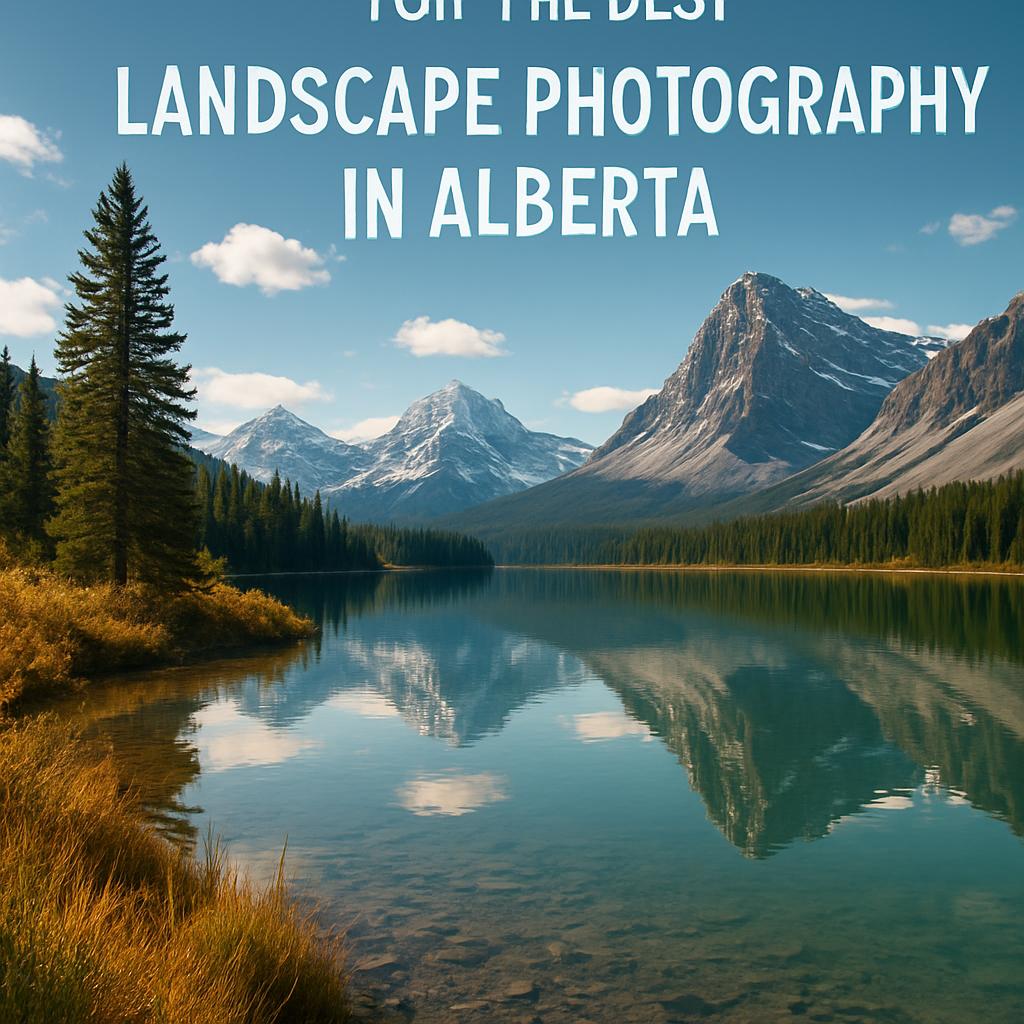
Alberta is a treasure trove for photographers seeking stunning lakes that serve as perfect subjects for landscape photography. From crystal-clear waters reflecting rugged mountains to serene, remote spots surrounded by vibrant forests, Alberta offers countless opportunities to capture nature’s beauty. Whether you’re a seasoned professional or just starting with a camera, knowing where to go and what to expect can make your photography adventure unforgettable. This guide highlights some of the best lakes for landscape photography in Alberta, with tips on when to visit and what to capture.
What are the top lakes for landscape photography in Alberta?
Alberta boasts numerous lakes renowned for their photogenic qualities. Some stand out for their turquoise waters, dramatic backdrops, or peaceful surroundings. Here are key lakes photographers flock to:
- Lake Louise: Famous for its striking blue color and the Victoria Glacier backdrop, Lake Louise is iconic. Early morning light and calm winds make for shimmering reflections.
- Moraine Lake: Known for its deep turquoise and the Ten Peaks encircling it, Moraine Lake offers photographers vibrant colors during sunrise and sunset.
- Maligne Lake: Located in Jasper National Park, it’s the largest glacier-fed lake in the Canadian Rockies, featuring Spirit Island, arguably one of the most photographed spots.
- Emerald Lake: Just outside Alberta in British Columbia but easily accessible, it’s a serene destination with stunning greenish-blue water.
- Herbert Lake: Smaller and less crowded than Lake Louise or Moraine, Herbert Lake is great for capturing reflections of Mt. Temple and Castle Mountain.
These lakes provide photographers varied perspectives—from epic wide-angle landscapes to intimate close-ups of shoreline details.
When is the best time to photograph Alberta lakes?
Timing your visit can greatly influence lighting conditions, colors, and overall atmosphere of your shots. Consider these seasonal factors:
- Summer (June to August): Longer daylight hours give flexibility; lakes like Moraine and Louise are vibrant with turquoise hues. Expect more crowds but breathtaking sunsets and sunrises.
- Fall (September to October): Autumn colors add warm tones, contrasting beautifully with blue waters. This season tends to have fewer tourists, providing peaceful scenes.
- Winter (December to February): Snow and ice-covered lakes create magical winter landscapes, perfect for capturing frozen reflections and snowy peaks. Access to some lakes may be limited due to road closures.
- Spring (April to May): Melting snow increases water levels, but some lakes might be murky. Early spring offers fresh buds and quiet surroundings before peak season.
Aim for early mornings or late afternoons to catch golden hour light, and watch for calm weather, which enhances mirror-like lake reflections.
How to prepare for a landscape photography trip to Alberta lakes?
Proper planning improves the chances of capturing remarkable images at Alberta’s lakes. Here are key preparation tips:
- Research access and permits: Some lakes are inside national parks that require entrance fees. Check open seasons and road conditions.
- Pack the right gear: A sturdy tripod, polarizing filter, wide-angle lens, and weather-resistant clothing are essential.
- Arrive early: Popular spots can get busy, especially at sunrise and sunset. Arriving beforehand gives time to scout the scene.
- Check the weather: Overcast skies may soften light but limit reflections, while clear days enhance color saturation.
- Bring safety items: Wildlife encounters are possible; carry bear spray and be aware of local wildlife guidelines.
Having backup batteries and memory cards, along with snacks and water, make long photography sessions more comfortable.
What are the best photographic techniques for Alberta lake landscapes?
Employing certain photography techniques can help capture Alberta lakes in breathtaking ways:
- Use long exposures: Smooth out water surfaces for ethereal effects, especially with moving clouds or water.
- Incorporate foreground elements: Rocks, trees, or flowers can add depth to images.
- Play with reflections: Position yourself to get symmetrical reflections of mountains and skies.
- Shoot in RAW: Allows greater flexibility for editing colors and shadows later.
- Bracket exposures: Capture multiple shots with different exposures for HDR blending, balancing highlights and shadows.
Experiment with compositions like the rule of thirds, leading lines, and frame-in-frame to make impactful photos.
Where are hidden gems and lesser-known lakes in Alberta for landscape photography?
For photographers who prefer quieter and less touristy spots, Alberta offers some lesser-known lakes with striking views:
- Old Man Lake: Near Waterton Lakes National Park, it has clear waters and dramatic mountain vistas.
- Wedge Pond: Located in Kananaskis Country, it’s a tranquil setting with excellent reflections and wildlife.
- Lower Kananaskis Lake: A beautiful spot with fewer visitors, providing classic Rockies backdrops.
- Moose Lake: Close to Jasper but less frequented, featuring vibrant forests and calm waters.
Exploring these off-the-beaten-path locations can yield unique images without crowds.
Frequently Asked Questions
What time of day is best to photograph lakes in Alberta?
Early morning and late afternoon around sunrise and sunset offer the best light with warm tones and often calm waters that create perfect reflections.
Are there park fees required to visit popular Alberta lakes?
Yes, many popular lakes like Lake Louise and Maligne Lake are in national parks that charge entrance fees per vehicle. Research park regulations before visiting.
Can I visit Alberta lakes in winter for photography?
Yes, winter provides beautiful snowy scenes, but some access roads may close. Check road conditions and dress warmly with appropriate gear.
Do I need special equipment for lake landscape photography?
A tripod, wide-angle lens, and polarizing filter are highly recommended for stable shots, expansive views, and reducing glare to enhance water colors.