Guide to Experiencing the Northern Lights in Yellowknife NT
Posted on November 3, 2026 • 4 minutes • 750 words
Table of contents
- What is the best time to see the Northern Lights in Yellowknife NT?
- Where are the top spots for Northern Lights viewing in Yellowknife?
- How to prepare for a Northern Lights trip to Yellowknife?
- What kinds of Northern Lights tours are available in Yellowknife NT?
- How to photograph the Northern Lights near Yellowknife?
- Frequently Asked Questions
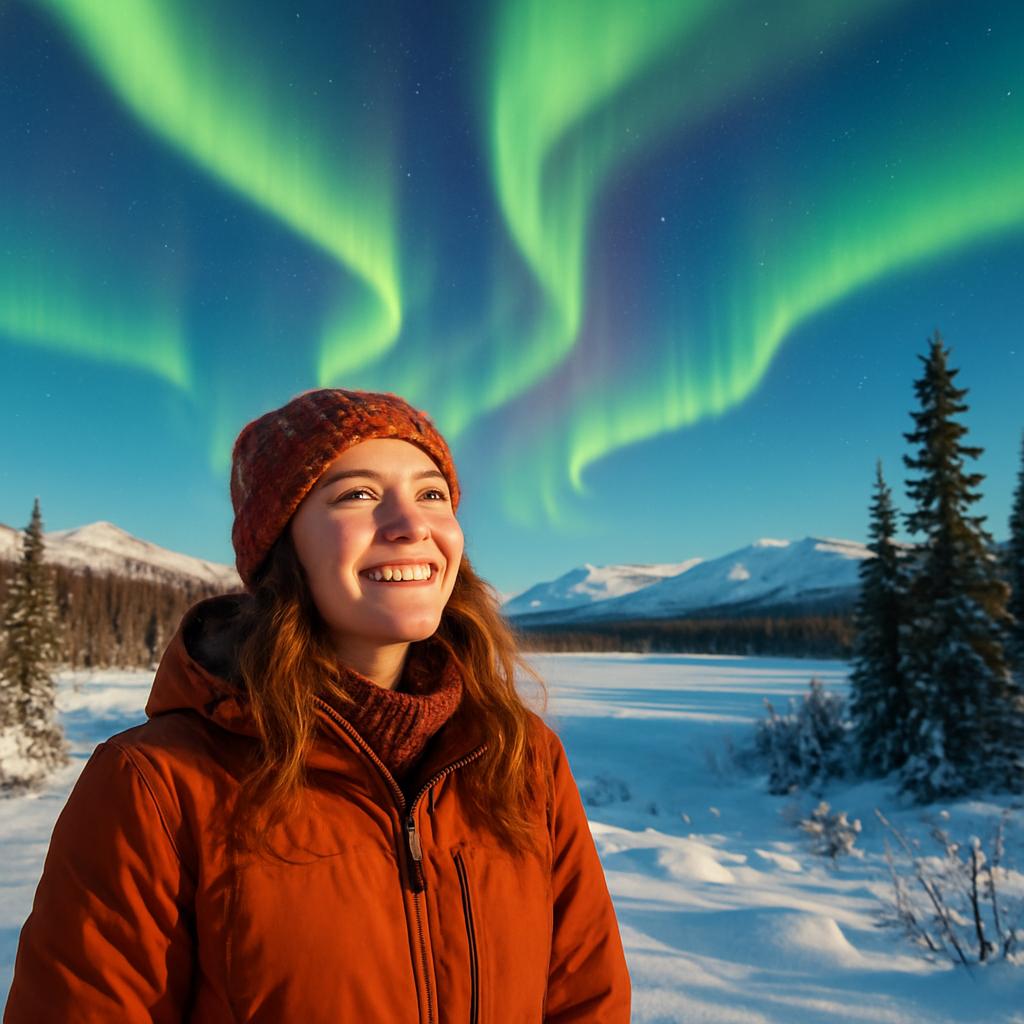
The Northern Lights, or Aurora Borealis, captivate travellers with their dazzling displays of shifting colors and patterns across the night sky. Yellowknife, Northwest Territories, offers one of the best opportunities in Canada to witness this stunning natural phenomenon. This destination blends accessibility with prime aurora-viewing conditions, making it a top choice for adventurers and photographers seeking the perfect moment under the stars. Here’s a complete guide to experiencing the Northern Lights in Yellowknife, NT.
What is the best time to see the Northern Lights in Yellowknife NT?
Timing plays a big role in catching the Northern Lights in Yellowknife. The aurora occurs year-round but is most visible during the long dark nights of fall and winter.
- Peak aurora season runs from mid-August through mid-April.
- The clearest skies tend to appear between October and March.
- Aim for nights with little to no moonlight for optimal viewing.
- Activity often peaks around the equinox months of September and March.
Booking trips during these months will increase your chances of witnessing intense aurora displays. Check local aurora forecasts to spot windows of heightened solar activity.
Where are the top spots for Northern Lights viewing in Yellowknife?
Yellowknife’s open spaces and northern latitude create ideal settings for aurora viewing both within and outside town limits.
Popular locations include:
- Prelude Lake Territorial Park: A short drive west of Yellowknife, this park’s minimal light pollution offers clear, panoramic skies.
- Aurora Village: Combines aurora viewing platforms with heated teepees and cultural experiences.
- Blachford Lake: Remote lodge access ideal for multi-night stays away from city lights.
- Frames Lake: Located near downtown, good for quick outings when conditions are promising.
For the best view, travel outside the city’s immediate lights or use accommodations designed for nighttime skywatching.
How to prepare for a Northern Lights trip to Yellowknife?
Preparation helps you stay comfortable and capture memorable moments when chasing the aurora. Northern winters can be harsh, so pack with care.
Packing tips:
- Layered clothing: Thermal base layers, fleece, insulated jacket, hat, gloves, and waterproof boots.
- Camera gear: DSLR or mirrorless camera with manual controls, sturdy tripod, extra batteries (cold drains battery life faster).
- Warm beverages and snacks for extended outdoor viewing.
- Headlamp or flashlight with a red filter to preserve night vision.
- Portable seating like a folding chair or insulated mat.
Booking a guide or tour can simplify logistics, especially for photographers new to aurora settings.
What kinds of Northern Lights tours are available in Yellowknife NT?
Tours offer expertise, transport to prime viewing areas, and added activities that enrich the aurora experience.
Common types include:
- Aurora Viewing Tours: Short trips to nearby dark spots with large groups or smaller private tours.
- Photography Workshops: Instruction on capturing the aurora using specialized camera settings.
- Multi-Day Lodge Packages: Stay in remote wilderness lodges with aurora alerts, snowshoeing, and cultural storytelling.
- Snowmobile or Dog Sledding Tours: Combine aurora viewing with thrilling winter activities.
Tour prices vary widely. Booking in advance is recommended during peak season to secure spots on popular tours.
How to photograph the Northern Lights near Yellowknife?
Capturing the Northern Lights requires technical know-how and the right equipment settings.
Photography tips:
- Use a tripod to avoid blurry images during long exposures.
- Set camera to manual mode, aperture wide open (f/2.8 or lower).
- Shutter speed between 5 to 25 seconds depending on aurora brightness.
- Use high ISO (800-3200) but balance noise and clarity.
- Manually focus on distant stars or use live view focusing.
- Shoot in RAW format to allow flexible post-processing adjustments.
Experiment with different compositions featuring trees, water reflections, and local landmarks for compelling images.
Frequently Asked Questions
When is the Northern Lights season in Yellowknife NT?
The Northern Lights season in Yellowknife runs from mid-August to mid-April, with the clearest and darkest skies from October to March providing the best viewing conditions.
How cold does it get when watching the Northern Lights in Yellowknife?
Temperatures during the aurora season in Yellowknife can drop below -30°C (-22°F) in winter, so appropriate cold-weather gear like thermal layers, insulated boots, and hand warmers are necessary.
Can you see the Northern Lights from downtown Yellowknife?
Yes, you can view the Northern Lights from downtown Yellowknife on clear nights, but for the best, darkest skies it’s advisable to travel a short distance to areas with less light pollution.
Are guided Northern Lights tours worth it in Yellowknife?
Guided tours are highly recommended in Yellowknife because guides know the best viewing spots, provide transportation and support, and often offer additional activities like photography tips and cultural experiences.