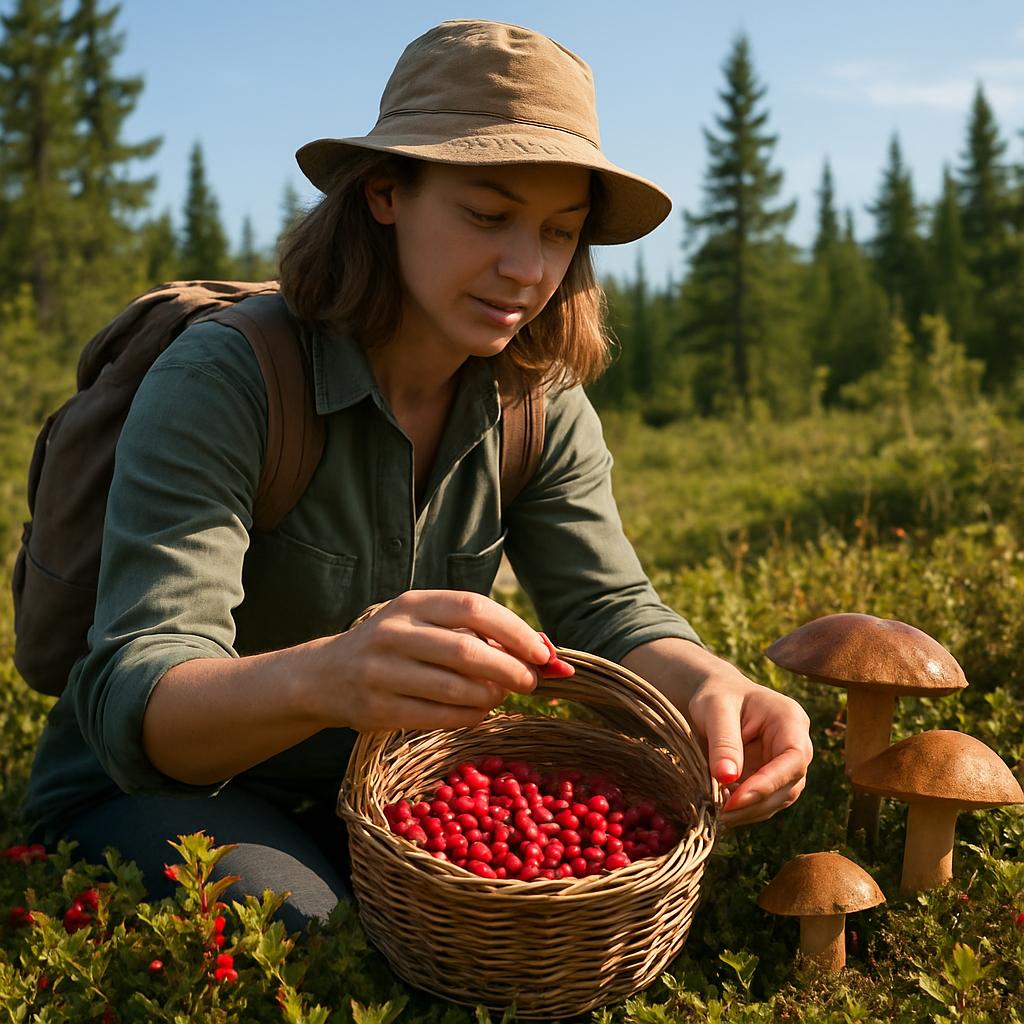
Foraging in Canada What You Can Legally Pick
Posted on November 23, 2026 • 5 minutes • 861 words
Table of contents
- What Can You Legally Pick When Foraging in Canada?
- Where Is Foraging Allowed in Canada? Understanding Land Access Rules
- How to Identify Legal and Safe Wild Foods to Pick in Canada
- Can You Legally Pick Mushrooms While Foraging in Canada?
- What Are the Rules for Foraging Wild Berries in Canada?
- How to Forage Responsibly and Respect Canadian Foraging Laws
- Frequently Asked Questions
Foraging in Canada offers an exciting way to connect with nature and discover wild foods. Whether you’re interested in mushrooms, berries, or edible plants, exploring Canada’s natural environment can yield delicious and nutritious finds. Before you head out, it’s wise to understand the legal guidelines to ensure your foraging activities are responsible and lawful. Every province and territory has its own regulations that dictate what and where you can gather plants and fungi. This guide will help you navigate the main rules and offer tips on what you can legally pick while foraging in Canada.
What Can You Legally Pick When Foraging in Canada?
Foraging laws in Canada vary by region, focusing heavily on protecting endangered species, private property rights, and conservation areas. Commonly foraged items include wild berries, mushrooms, herbs, and certain nuts. Many provinces allow picking for personal use but restrict commercial harvesting. Here are some popular wild edibles you can typically collect:
- Wild berries such as blueberries, raspberries, and strawberries
- Edible mushrooms like morels and chanterelles in designated areas
- Medicinal and culinary herbs including wild mint and spruce tips
- Nuts like hazelnuts in some regions
It’s important to avoid protected species and invasive plants, as well as to respect private property boundaries. Some parks also restrict plant and fungi collection to preserve biodiversity.
Where Is Foraging Allowed in Canada? Understanding Land Access Rules
Being aware of the type of land you are on is vital to legal foraging. Canada comprises federal, provincial, municipal, and private lands with different rules on harvesting wild edibles.
- Federal lands (National Parks and Reserves): Foraging is usually forbidden except for personal and traditional Indigenous use.
- Provincial parks: Rules vary but many prohibit plant and mushroom picking to protect ecosystems.
- Crown land: In many provinces, you can forage for personal use, but you must follow provincial regulations.
- Private property: Always obtain permission from landowners before foraging.
Check with local government websites or park offices to confirm regulations. Access rules and permitted species often differ between provinces, so always look up the details for the region where you plan to forage.
How to Identify Legal and Safe Wild Foods to Pick in Canada
Correct identification protects you and the environment. Some wild edibles resemble toxic plants or mushrooms, so cautious foraging is essential. Many legal guides and apps help identify safe-to-eat species.
Tips for safe identification:
- Use regional foraging books or guides focusing on Canadian species.
- Attend local workshops led by experienced foragers.
- Photograph your finds for expert verification before consumption.
- Avoid uncertain plants or mushrooms — if in doubt, leave it out.
Pay close attention to endangered or protected species that are illegal to harvest anywhere. For example, certain orchids and rare mushrooms may be protected under conservation laws.
Can You Legally Pick Mushrooms While Foraging in Canada?
Mushroom foraging is popular but subject to specific provincial laws and park restrictions. Many wild mushrooms are legal to pick on Crown land for personal use in provinces like British Columbia and Ontario. National and provincial parks often ban mushroom collecting.
Some common edible mushrooms you may legally harvest include:
- Morel mushrooms (seasonal and regional)
- Chanterelles
- Puffballs
It’s illegal to harvest protected mushroom species or collect commercially without permits. Because mushrooms can be toxic, proper identification and local knowledge are critical to legal and safe picking.
What Are the Rules for Foraging Wild Berries in Canada?
Wild berries are among the most commonly foraged items. Most regions allow berry picking for personal consumption. Popular safe and legal types include:
- Blueberries
- Saskatoon berries
- Raspberries
- Strawberries
You should never pick berries on private land without permission. Some provinces have limits on picking quantities in specific parks or conservation areas. Commercial berry harvesting requires licenses or permits.
Practicing sustainable methods ensures berries remain abundant, such as harvesting only ripe fruits and leaving enough for wildlife.
How to Forage Responsibly and Respect Canadian Foraging Laws
Legal foraging also involves ethical practices that support conservation and community relations. Here are key steps:
- Obtain necessary permissions for private or restricted lands.
- Stay on existing trails to prevent damaging fragile habitats.
- Avoid overharvesting; take only what you need or small portions.
- Do not pick endangered or protected species.
- Leave no trace and clean up any waste.
- Respect Indigenous territories and traditions related to wild foods.
Following these guidelines fosters a healthy ecosystem and positive relationships with local communities.
Frequently Asked Questions
What wild plants can I pick legally in Canada?
You can generally pick wild berries, edible mushrooms, herbs, and some nuts on Crown land for personal use. Always check provincial regulations and avoid protected species or restricted parks.
Can I forage on private property in Canada?
Only with explicit permission from the landowner. Harvesting on private land without consent is illegal and considered trespassing.
Are there restrictions on selling wild foraged foods in Canada?
Yes, commercial harvesting usually requires government permits or licenses. Selling wild foods picked without authorization may violate laws.
How do I know if a mushroom is legal and safe to pick?
Consult reliable foraging guides or local experts familiar with Canadian mushrooms. Avoid mushrooms that are protected or look similar to toxic species. When unsure, refrain from picking.