Exploring the Untouched Beauty of Canadas Boreal Forests
Posted on November 10, 2026 • 5 minutes • 942 words
Table of contents
- What makes Canada’s boreal forests unique for backpacking adventures?
- How can backpackers prepare for trekking in Canada’s boreal forest?
- Where are the best locations to explore Canada’s boreal forests?
- What wildlife encounters can backpackers expect in Canada’s boreal forests?
- What are the best seasons to visit Canada’s boreal forests for backpacking?
- Frequently Asked Questions
Canada’s vast boreal forests stretch endlessly across the northern regions, offering travelers a chance to experience some of the last true wilderness on Earth. These forests are home to a remarkable range of wildlife, pristine lakes, and ancient trees that have remained largely untouched by human activity. For backpackers, nature enthusiasts, and photographers, exploring Canada’s boreal forests means stepping into a world filled with serene beauty and powerful natural forces, far from crowded trails and bustling cities.
What makes Canada’s boreal forests unique for backpacking adventures?
Canada’s boreal forests cover nearly 60% of the country’s land area, making them one of the largest intact forest ecosystems in the world. Unlike more southern forests, the boreal ecosystem experiences long winters with heavy snow and short, warm summers, shaping a distinct environment for both flora and fauna.
Backpacking here offers solitude rarely found in popular hiking spots. The forests are rich with:
- Towering coniferous trees such as spruce, pine, and fir
- Expansive wetlands and peat bogs
- Crystal-clear lakes and winding rivers
- Diverse wildlife including moose, black bears, wolves, and migratory birds
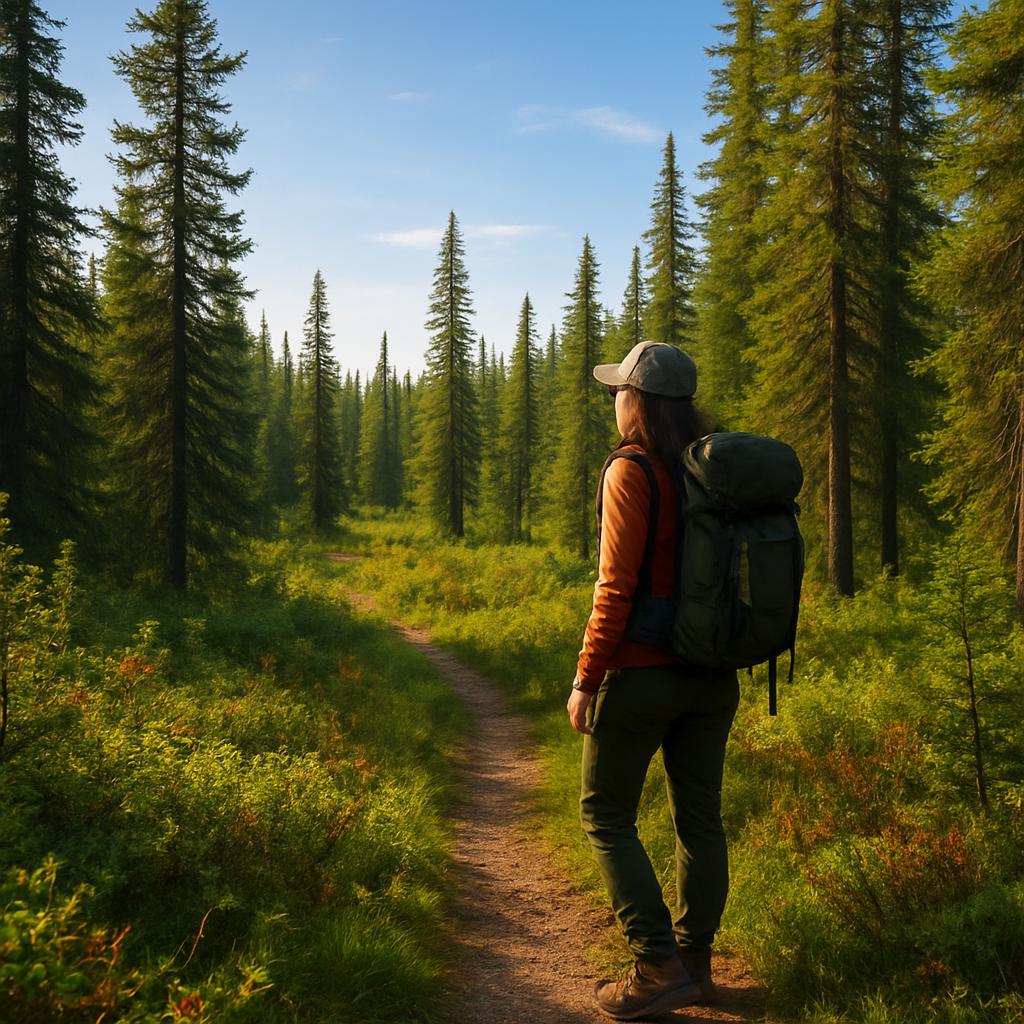
Travelers can enjoy trails ranging from moderate day hikes to multi-day wilderness treks. The feeling of isolation is a draw for those wanting to reconnect with nature in a profound way.
How can backpackers prepare for trekking in Canada’s boreal forest?
Preparation is key when planning to explore Canada’s boreal forests. The environment can be challenging, with unpredictable weather, insects during warmer months, and limited access to emergency services in remote areas.
Consider these tips to prepare:
- Pack layers including waterproof gear to adapt to changing weather
- Bring insect repellent and mosquito nets for protection during summer
- Carry a reliable GPS device and maps, since cell signal may be weak or unavailable
- Plan for bear safety by bringing bear spray and knowing how to store food securely
- Pack enough water and high-calorie snacks, as natural water sources may need filtering
- Inform someone of your route and expected return time
Practicing Leave No Trace principles is critical to maintaining the untouched beauty of these forests. Respect wildlife, carry out all garbage, and avoid disturbing natural habitats.
Where are the best locations to explore Canada’s boreal forests?
Canada’s boreal forest spans provinces and territories, so there are many incredible spots to set out on a backpacking journey.
Noteworthy areas include:
- Wood Buffalo National Park, Alberta/NWT: The largest national park in Canada, known for vast wetlands, bison herds, and dark skies ideal for stargazing
- Algonquin Provincial Park, Ontario: Popular for canoe trips but also large wilderness zones with boreal forest sections
- Great Bear Rainforest, British Columbia: While primarily coastal temperate rainforest, areas transition into boreal zones filled with unique ecosystems
- La Vérendrye Wildlife Reserve, Quebec: Extensive backcountry trails, lakes, and rich wildlife
- Prince Albert National Park, Saskatchewan: Offers hiking and wildlife viewing in boreal mixedwood forests
Each destination provides a different experience of the boreal forest, from quiet lakeside campsites to rugged hiking trails that demand navigation skills.
What wildlife encounters can backpackers expect in Canada’s boreal forests?
The boreal forest is a refuge for countless animals adapted to its climate and terrain. Wildlife viewing is a highlight of any trip here, with many species visible during the day as well as dawn and dusk.
Common sightings include:
- Moose browsing aquatic plants at ponds and wetlands
- Black bears foraging for berries and roots
- Gray wolves roaming packs through the forest
- Lynx and bobcats, elusive and mostly nocturnal
- Migratory birds such as loons, warblers, and owls
- Beavers actively building dams and lodges along waterways
Respecting animals’ space is essential. Use binoculars for observation and maintain quiet to avoid disturbing them. The chance to see wildlife in their natural habitat adds an unforgettable dimension to exploring these remote forests.
What are the best seasons to visit Canada’s boreal forests for backpacking?
Timing your trip can affect safety, comfort, and the type of experience you have while exploring the boreal forests.
Seasonal considerations:
- Summer (June to August): Warmest weather and longest daylight hours, but insects like mosquitoes and black flies can be intense
- Fall (September to October): Cooler temperatures, fewer bugs, and stunning fall foliage make this a favourite time for many backpackers
- Spring (May to June): Melting snow can mean muddy trails and high water levels, but wildlife is active and wildflowers bloom
- Winter (November to April): Extreme cold and deep snow limit hiking, though the boreal forests offer opportunities for cross-country skiing and snowshoeing
Choosing the ideal season often depends on your personal preferences and activities planned. Fall is often considered the perfect time to experience quiet trails and vibrant colours, while summer is best for those comfortable with insects and warmer weather.
Frequently Asked Questions
What should I pack for hiking in Canada’s boreal forests?
Pack layered clothing suited for wet and variable weather, sturdy waterproof boots, insect repellent, a first aid kit, sufficient food and water, navigation tools like a map and GPS, and bear safety gear.
Are there guided tours available in the boreal forest regions?
Yes, several national parks and reserves offer guided backpacking and canoe trips led by experienced naturalists or local guides, which can enhance safety and educational value.
How do I deal with bugs when backpacking in Canada’s boreal forests?
Use strong insect repellent containing DEET, wear long sleeves and pants, and consider using a bug net for your head during peak mosquito and black fly season, typically late spring through summer.
Can I camp anywhere in Canada’s boreal forests?
Camping is generally allowed in designated wilderness areas and national parks, but some regions require permits or have restrictions to protect the environment. Always check local regulations before your trip.