Exploring Canadas Best Wildlife Conservation Areas
Posted on November 6, 2026 • 5 minutes • 862 words
Table of contents
- What Are the Best Wildlife Conservation Areas in Canada to Visit?
- How to Experience Wildlife Safely in Canadian Conservation Areas?
- What Are the Best Times of Year to Visit Canadian Wildlife Conservation Areas?
- Which Wildlife Species Can You Expect to See in Canada’s Conservation Areas?
- How to Plan a Backpacking Trip Through Canada’s Wildlife Conservation Areas?
- Frequently Asked Questions
Canada’s vast wilderness is home to an incredible array of wildlife, offering explorers unforgettable encounters with nature’s most fascinating creatures. From majestic bears roaming dense forests to soaring birds of prey over pristine lakes, Canada’s wildlife conservation areas provide safe havens where animals thrive and nature enthusiasts can connect with the wild. Whether you’re planning a backpacking trip or a nature-focused getaway, discovering these protected regions gives insight into Canada’s dedication to preserving its natural heritage.
What Are the Best Wildlife Conservation Areas in Canada to Visit?
Canada boasts a diverse collection of conservation areas dedicated to protecting ecosystems and wildlife species. Some of the most celebrated wildlife conservation areas include:
- Banff National Park, Alberta: Iconic for Rocky Mountain landscapes and populations of elk, mountain goats, and bears.
- Pacific Rim National Park Reserve, British Columbia: Home to coastal rainforests and marine life, including sea otters and migratory whales.
- Grasslands National Park, Saskatchewan: One of the last remaining native prairie habitats, protecting bison, pronghorn antelope, and greater sage-grouse.
- Wapusk National Park, Manitoba: Noted for polar bear sightings and diverse tundra ecosystems.
- Jasper National Park, Alberta: Renowned for wolf packs, caribou, and elk amidst vast wilderness.
- Fundy National Park, New Brunswick: Supports rich birdlife and river otters, with access to coastal habitats.
Each conservation area delivers unique wildlife experiences through well-maintained trails, educational programs, and guided tours, suited for different interests and skill levels.
How to Experience Wildlife Safely in Canadian Conservation Areas?
Engaging with wildlife responsibly ensures the safety of both visitors and animals while preserving natural behaviours and habitats. Here are important guidelines for wildlife viewing in conservation areas:
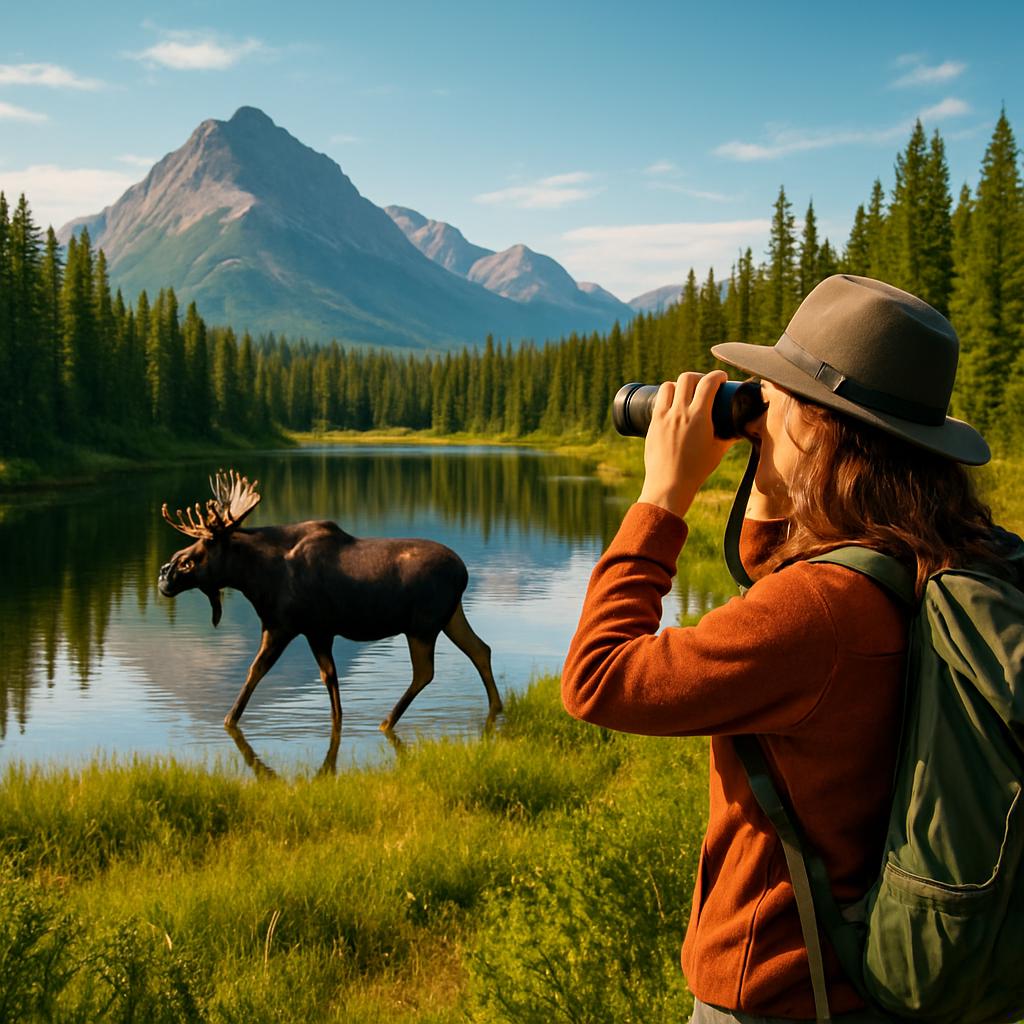
- Maintain a safe distance—use binoculars or zoom lenses for close-up views.
- Stay on marked trails to reduce habitat disturbance.
- Avoid feeding or approaching animals to prevent habituation.
- Follow park rules and guidelines provided by rangers and signage.
- Travel quietly and minimize noise to avoid startling animals.
- Pack out all litter to keep environments clean.
- Use appropriate clothing and gear for local weather and terrain.
Taking these precautions helps foster a respectful and rewarding wildlife watching experience in Canada’s protected areas.
What Are the Best Times of Year to Visit Canadian Wildlife Conservation Areas?
Seasonal changes shape the accessibility and variety of wildlife encounters in Canada’s conservation zones. Here’s when to plan your visit for optimal wildlife viewing opportunities:
- Spring (April to June): Ideal for observing newborn animals and migrating birds returning.
- Summer (July to August): Long daylight hours promote active animal behaviour and great hiking conditions.
- Fall (September to October): Wildlife prepare for winter, with animal migrations and mating behaviors on display.
- Winter (November to March): Some parks offer unique chances to spot animals against snowy backdrops, like moose or wolves, with fewer tourists around.
Note that some parks might have seasonal access restrictions or trail closures during weather extremes. Checking local park websites before you travel is helpful for current conditions.
Which Wildlife Species Can You Expect to See in Canada’s Conservation Areas?
Canada is home to remarkable diversity from the Arctic to temperate zones. Typical species seen in conservation areas include:
- Mammals like black and grizzly bears, moose, caribou, mountain goats, beavers, and wolves.
- Birds such as bald eagles, peregrine falcons, loons, great horned owls, and various waterfowl.
- Marine life in coastal conservation zones featuring seals, sea otters, whales, and sea birds.
- Amphibians and reptiles including various frogs and garter snakes.
Animal sightings vary by region, season, and visitor patience. Conservation parks often provide species checklists or interactive guides to enhance the observation experience.
How to Plan a Backpacking Trip Through Canada’s Wildlife Conservation Areas?
Backpacking through these natural areas can be a transformative adventure. Here are tips for planning a successful trip:
- Research the conservation area’s trail systems and camping options.
- Obtain any necessary permits or passes ahead of time.
- Pack lightweight, durable gear suited for wilderness travel.
- Study wildlife safety protocols, including bear spray usage where applicable.
- Map out water sources and emergency exit routes.
- Consider guided tours or ranger-led programs to enrich your understanding.
- Prepare for variable weather conditions with layering and waterproof gear.
Combining backpacking with wildlife watching invites profound immersion in Canada’s rich ecosystems.
Frequently Asked Questions
What is the best wildlife conservation area in Canada for bear watching?
Banff National Park in Alberta and the Great Bear Rainforest in British Columbia are among the top locations for bear viewing. Each offers guided tours and safe observation points for encounters with black and grizzly bears.
Can I camp in Canadian wildlife conservation areas?
Many conservation areas permit backcountry or campground camping with appropriate permits. Popular parks like Jasper and Fundy have designated campgrounds and backcountry sites, but rules vary, so check with park authorities.
How do I stay safe around wildlife in Canadian parks?
Keep at least 100 meters distance from large mammals, never feed animals, store food securely, and carry bear spray in bear country. Follow all park safety guidelines and attend any wildlife safety briefings.
Are there guided wildlife tours available in Canada’s conservation zones?
Yes, numerous parks offer guided hikes, boat tours, and educational programs led by expert naturalists. These experiences provide safe, informative ways to observe wildlife and learn about conservation efforts.