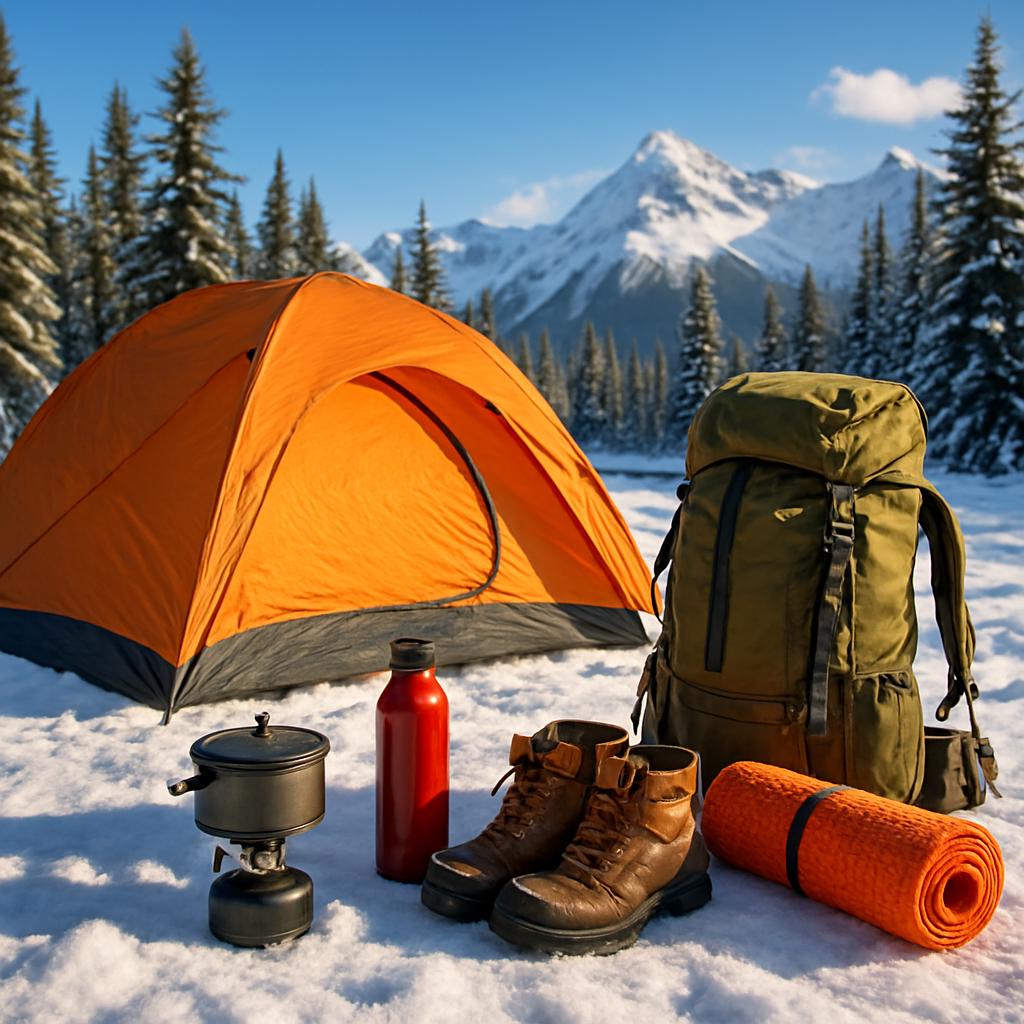
Essential Gear for Winter Camping in Canada
Posted on October 29, 2026 • 4 minutes • 794 words
Table of contents
- What is the essential winter camping gear for cold weather survival in Canada?
- How to choose the best winter sleeping bags for Canadian camping trips?
- What clothing layers are essential for winter camping in Canada’s cold climate?
- What winter camping footwear gear is best suited for Canadian snow and ice?
- What are the best cooking and hydration gear options for winter camping in Canada?
- Frequently Asked Questions
Winter camping in Canada offers a unique adventure where snowy vistas, crisp air, and quiet wilderness create a magical experience. But staying warm, dry, and comfortable in sub-zero temperatures requires careful preparation and the right gear. Whether you’re planning a weekend trip in a national park or a longer backcountry expedition, packing the essential equipment can make all the difference between a memorable trip and an uncomfortable ordeal.
What is the essential winter camping gear for cold weather survival in Canada?
Surviving harsh Canadian winters demands specialized gear designed for extreme cold, snow, and wind. The basics include:
- Four-season tent: Built to withstand heavy snow loads and strong winds, these tents have sturdier poles, less mesh, and more durable fabrics.
- Cold-weather sleeping bag: Rated for temperatures well below your camping forecast, often down-filled for superior warmth-to-weight ratio.
- Insulated sleeping pad: Prevents heat loss to the frozen ground; look for high R-value models.
- Layered clothing system: Base layers that wick moisture, mid-layers for insulation, and waterproof outer layers for wind and snow protection.
- Winter boots and socks: Insulated, waterproof boots with thermal socks help keep feet warm and dry.
These basics form the core foundation of winter camping gear and are crucial for staying safe and comfortable.
How to choose the best winter sleeping bags for Canadian camping trips?
In Canadian winter conditions, your sleeping bag choice greatly influences how well you rest and retain body heat. Consider these factors:
- Temperature rating: Pick a bag rated at least 10 degrees colder than the lowest expected temperature. If you camp in areas like Yukon or northern Quebec, choose bags rated for -30°C or lower.
- Insulation type: Down sleeping bags offer better warmth and compressibility but lose insulating power when wet. Synthetic insulation handles moisture better but is bulkier.
- Shape: Mummy-shaped bags hug the body tightly, minimizing heat loss.
- Additional features: Look for insulated hoods, draft collars, and zipper draft tubes to seal in warmth.
By selecting a bag tailored to your climate and needs, you’ll avoid cold nights and discomfort.
What clothing layers are essential for winter camping in Canada’s cold climate?
Dressing appropriately in layered clothing protects your body from frostbite and hypothermia while allowing flexibility as temperatures change.
- Base layers: Moisture-wicking materials like merino wool or synthetic fibers keep skin dry.
- Mid-layers: Insulating fleece or down jackets trap body heat.
- Outer layers: Waterproof, windproof jackets and pants shield from snow and cold winds.
- Accessories: Thermal gloves, hats, neck gaiters, and face masks cover exposed skin.
- Extra socks and liners: Help prevent frostbite in toes.
Layering gives you control over your body temperature by adding or removing garments based on activity level and weather.
What winter camping footwear gear is best suited for Canadian snow and ice?
Your feet need protection against cold, wet conditions when trekking or setting up camp in snowy terrain.
- Insulated winter boots: Look for waterproof insulation rated for extreme cold, with good ankle support.
- Traction devices: Microspikes or crampons improve grip on icy trails.
- Gaiters: Prevent snow from entering boots.
- Moisture-wicking socks: Wool or synthetic socks reduce sweat accumulation and keep feet dry.
- Extras: Foot warmers can provide additional heat on particularly cold days.
Proper footwear prevents frostbite risk and keeps your feet comfortable to stay active outdoors.
What are the best cooking and hydration gear options for winter camping in Canada?
Eating and drinking properly helps maintain energy and body heat during winter camping.
- Liquid fuel stoves: Perform better in cold weather than canister stoves.
- Insulated pots and mugs: Keep food and hot drinks warm longer.
- Thermos: Ideal for carrying hot water or beverages during hikes.
- Water bottles with insulated sleeves: Prevent freezing of drinking water.
- High-calorie, non-perishable foods: Trail mix, energy bars, and dehydrated meals are convenient and warming.
Staying hydrated is crucial because cold weather suppresses thirst, but dehydration can increase risk of cold injuries.
Frequently Asked Questions
What sleeping bag temperature rating do I need for winter camping in Canada?
Select a sleeping bag with a temperature rating at least 10°C below the coldest expected night temperature. For many Canadian winters, a bag rated for -20°C to -30°C is recommended.
Can I use a three-season tent for winter camping in Canada?
Three-season tents lack the sturdy construction and snow load capacity of four-season tents, making them less safe and comfortable for winter use in snowy, windy Canadian conditions.
How do I prevent frostbite while winter camping?
Wear insulated gloves, warm hats, appropriate footwear, and cover exposed skin with masks or neck gaiters. Avoid moisture buildup and change wet clothing quickly.
What stove types work best for winter camping in freezing temperatures?
Liquid fuel stoves, such as white gas stoves, perform reliably in freezing weather, while standard canister stoves may struggle with fuel flow at low temperatures.