Drumheller Badlands 2025 Exploration Guide
Posted on November 7, 2026 • 4 minutes • 818 words
Table of contents
- What is the Drumheller Badlands and why explore it in 2025?
- How to plan a visit to the Drumheller Badlands in 2025
- What are the top Drumheller Badlands hiking trails for 2025?
- What wildlife and plant life can backpackers expect to see in the Drumheller Badlands?
- What are the best nearby attractions to include in a Drumheller Badlands trip?
- Frequently Asked Questions
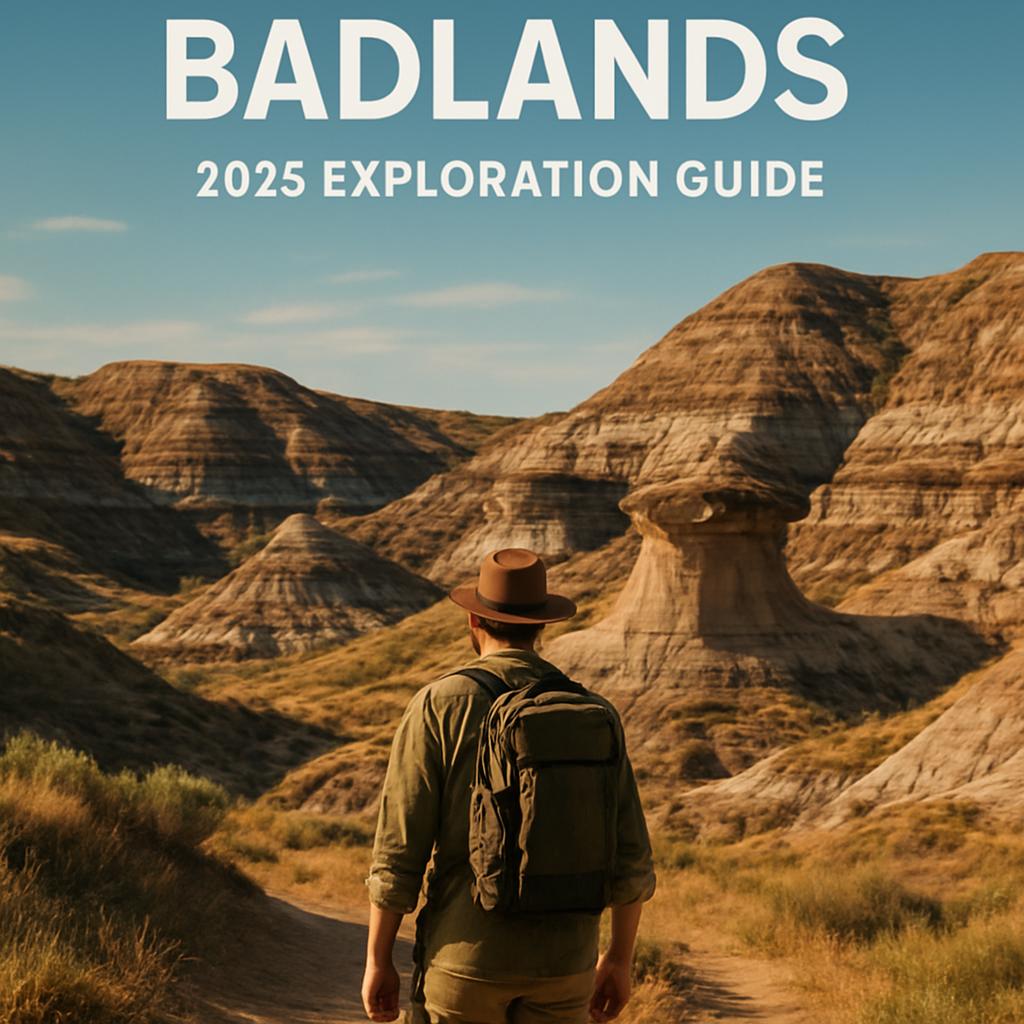
The Drumheller Badlands offers one of Canada’s most fascinating natural wonders for adventurous backpackers and explorers alike. Known for its striking hoodoos, ancient fossil fields, and dramatic terrain, this unique destination promises unforgettable hikes and photo opportunities. Preparing to explore the Drumheller Badlands in 2025 means understanding the best trails to visit, when to go, and how to maximize your experience within Alberta’s dry, rugged heartland.
What is the Drumheller Badlands and why explore it in 2025?
The Drumheller Badlands is a region in Alberta characterized by sharply eroded hills, deep coulees, and otherworldly rock formations sculpted over millions of years. It’s part of the larger Canadian Badlands, a hotspot for paleontology and outdoor adventure. With its incredible fossil finds, the area offers a peek into the prehistoric past, including dinosaur remains that are globally significant.
Exploring the badlands in 2025 gives visitors a chance to encounter newly opened trails and enhanced interpretive centres, improved for public use after recent conservation projects. This means better access and more facilities than ever before, making it an ideal time for backpackers and day hikers to dive deep into the region’s natural beauty and history.
How to plan a visit to the Drumheller Badlands in 2025
Planning your trip involves picking the right season, understanding the terrain, and preparing your gear appropriately. Summers in the Drumheller area tend to be hot and dry with more visitors, while spring and fall offer cooler temps and fewer crowds.
Key planning tips include:
- Choose spring (May to June) or early fall (September) for pleasant weather
- Wear layered clothing to adapt to temperature swings between day and night
- Bring plenty of water and sun protection; shaded spots are limited
- Use sturdy hiking boots as the terrain can be uneven and rocky
- Check for guided tours and Ranger-led programs to enrich your exploration
What are the top Drumheller Badlands hiking trails for 2025?
The badlands boast several standout trails that showcase its remarkable features, from intricate hoodoos to fossil beds and panoramic viewpoints. Here are top trails to explore:
- Horseshoe Canyon Trail: A family-friendly 3-km loop with spectacular canyon views and towering hoodoos. Accessible year-round and great for sunrise or sunset hikes.
- Dinosaur Trail: Highlights include prehistoric fossil sites and scenic lookout points. The moderate 5-km hike allows for photo stops and exploration of small caves.
- Badlands Parkway Loop: A longer 8-km trail for seasoned hikers seeking deeper immersion in the dry coulees and eroded rock formations.
- Turtle Mountain Trail: Offers a blend of shorter walks and challenging scrambles with excellent views over the Red Deer River Valley.
Trail conditions can change seasonally, so consult local trail reports and park resources before heading out.
What wildlife and plant life can backpackers expect to see in the Drumheller Badlands?
The semi-arid environment supports diverse flora and fauna adapted to dry conditions. Backpackers might spot:
Wildlife
- Pronghorn antelope grazing in open areas
- Coyotes roaming the ridges
- Various bird species such as hawks, falcons, and meadowlarks
- Small mammals like jackrabbits and ground squirrels
Plant species
- Prairie grasses and sagebrush dominate the landscape
- Wildflowers such as cactus blossoms and prickly pear in summer
- Rocky outcrop vegetation including mosses and lichens
Make sure to observe wildlife from a distance and avoid disturbing natural habitats during your hike.
What are the best nearby attractions to include in a Drumheller Badlands trip?
The drumheller region offers more than just badlands hiking. Backpackers can explore:
- Royal Tyrrell Museum: World-renowned for its extensive dinosaur fossil collection and interactive exhibits, a must-visit hub for paleontology enthusiasts.
- Horseshoe Canyon Lookout: Panoramic views ideal for photography and appreciating the scale of erosion shaping the badlands.
- Atlas Coal Mine National Historic Site: A fascinating glimpse into Alberta’s coal mining past with guided tours and preserved equipment.
- Star Mine Suspension Bridge: A scenic suspension bridge crossing the Red Deer River, accessible via nearby trails.
Plan to allocate a day or two to experience these cultural and historical landmarks alongside your natural exploration.
Frequently Asked Questions
Is the Drumheller Badlands suitable for beginner backpackers in 2025?
Yes, several trails like Horseshoe Canyon are beginner-friendly with well-marked paths and manageable distances. Make sure to carry enough water and take breaks, especially in warmer weather.
When is the best time of year to explore the Drumheller Badlands?
Late spring (May-June) and early fall (September-October) offer cooler temps and fewer crowds, creating ideal hiking conditions. Summer can be hot with higher visitation, while winter trails can be icy.
Are there guided tours available in the Drumheller Badlands?
Yes, the local visitor centres and museums often organize guided hikes and fossil tours. Booking in advance is recommended, especially during peak seasons.
What safety precautions should I take while hiking in the Drumheller Badlands?
Carry sufficient water, wear sun protection, and stay on marked trails to avoid disorientation. Let someone know your itinerary and check weather forecasts before heading out. Always respect wildlife and fragile ecosystems.