Discover the Majestic Waterfalls of Canadas National Parks
Posted on November 8, 2026 • 5 minutes • 1036 words
Table of contents
- What are the most famous waterfalls in Canada’s national parks?
- How to plan a waterfall hiking trip in Canada’s national parks?
- What are the best times to visit waterfalls in Canadian national parks?
- Where are hidden waterfall gems in Canada’s lesser-known national parks?
- What gear do backpackers need for waterfall adventures in Canadian national parks?
- Frequently Asked Questions
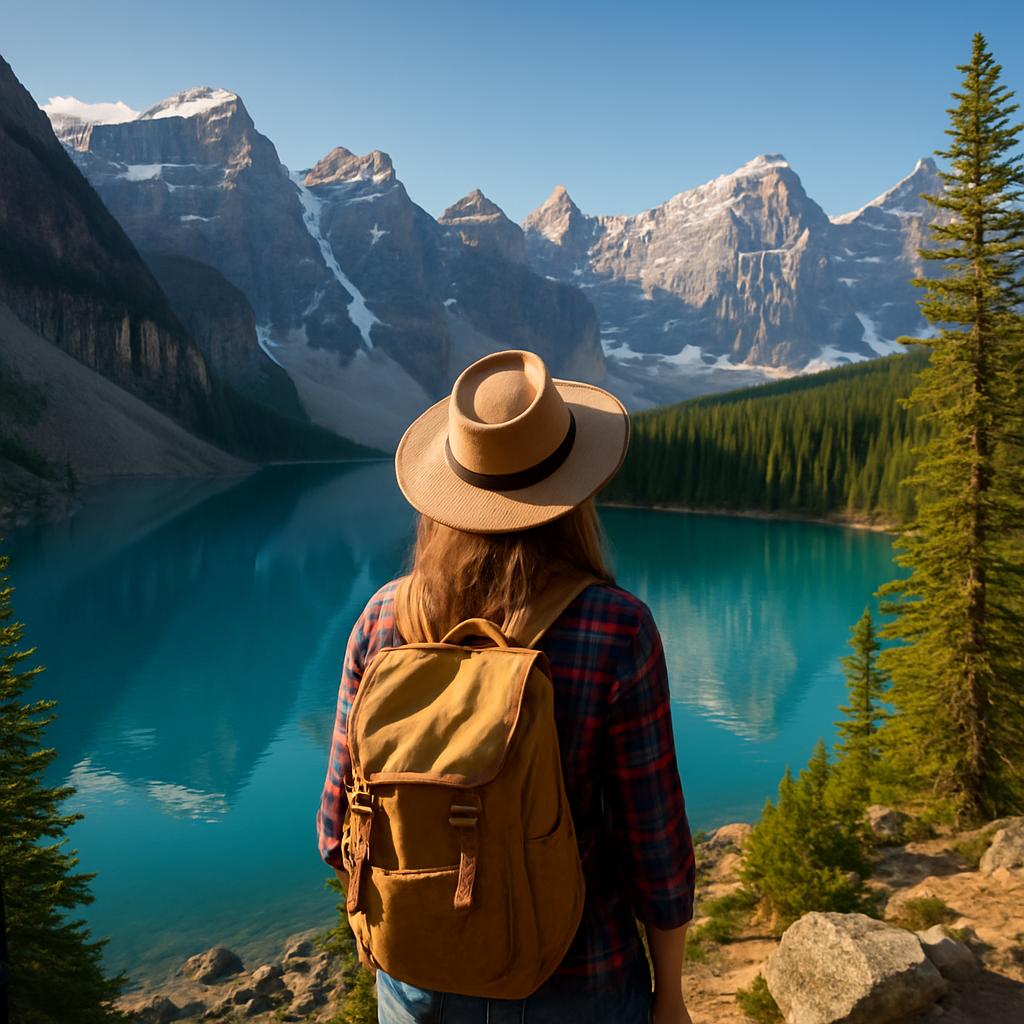
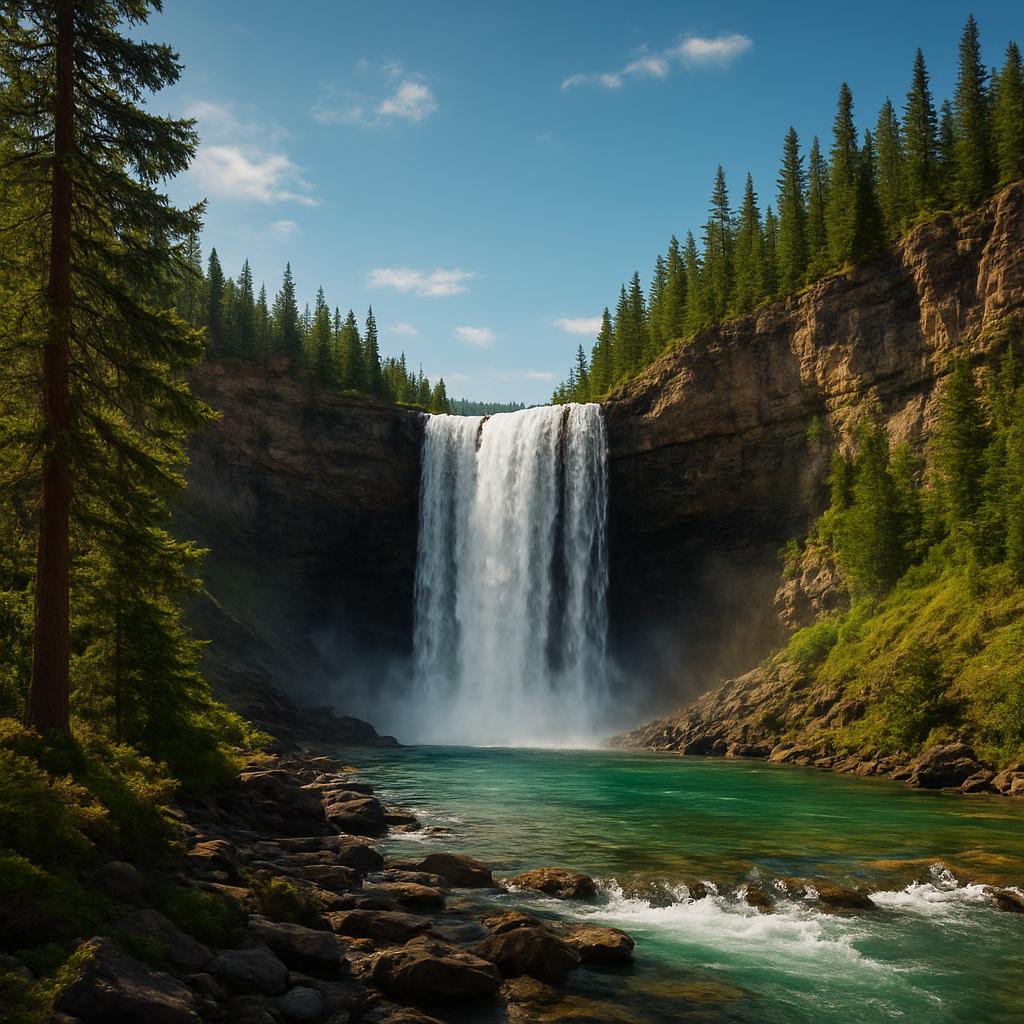
Exploring Canada’s national parks reveals countless natural treasures, but few are as breathtaking as the majestic waterfalls scattered throughout these protected lands. With roaring cascades plunging into crystal-clear pools, these waterfalls inspire awe and invite visitors to unwind, hike, and capture scenic photos. Whether you’re planning a multi-day backpacking trip or a day visit from nearby towns, the waterfalls in Canada’s national parks offer unforgettable experiences amid pristine wilderness and diverse ecosystems.
What are the most famous waterfalls in Canada’s national parks?
Canada’s national parks boast a variety of stunning waterfalls, each with unique features and scenic settings. Here are some of the most famous waterfalls you shouldn’t miss:
Takakkaw Falls, Yoho National Park, British Columbia
One of Canada’s tallest waterfalls, Takakkaw Falls cascades 254 metres (833 feet) down a rugged cliff face. Accessible via a short walk from the parking lot, the falls’ mist and thunderous roar create an immersive experience.Wapta Falls, Kootenay National Park, British Columbia
Wapta Falls spans 30 metres high and 150 metres wide, creating a wide curtain of water over rocky ledges. The relatively easy hiking trail leads visitors through forests and meadows to the falls’ viewpoint.Numa Falls, Kootenay National Park, British Columbia
Located close to the Banff-Jasper Highway, Numa Falls is a picturesque waterfall that flows plunging into the Vermilion River. It’s perfect for a quick stop and photo opportunity.Athabasca Falls, Jasper National Park, Alberta
Despite not being very tall, Athabasca Falls is powerful and dramatic, with water forcefully crashing through narrow canyons carved in limestone. Boardwalks and viewing platforms provide multiple vantage points.Virginia Falls, Nahanni National Park Reserve, Northwest Territories
Famous for its double drop of 96 metres, Virginia Falls is one of Canada’s largest waterfalls by volume. Reaching this remote waterfall involves hiking or flying into the wilderness reserve.Cameron Falls, Waterton Lakes National Park, Alberta
Located in a charming townsite, Cameron Falls offers a classic waterfall view framed by colorful cliffs and lakes. An easy walk brings you to the falls’ base.
How to plan a waterfall hiking trip in Canada’s national parks?
When planning a hiking trip to see waterfalls in Canada’s national parks, preparation shapes the experience. Consider these tips:
Research trail difficulty and length: Waterfall hikes range from short strolls to several kilometers with elevation gains. Choose trails that fit your fitness and time availability.
Pack safety essentials: Bring sturdy footwear, weather-appropriate clothing, water, snacks, and a first-aid kit. Waterproof jackets help if you get misted by powerful falls.
Check park conditions and regulations: Visit official Parks Canada websites for trail updates, park entry fees, and safety advisories. Some trails may be seasonally closed.
Plan for timing and photography: Visit waterfalls in the early morning or late afternoon for softer light and fewer crowds. Overcast days can reduce harsh shadows, ideal for photos.
Respect wildlife and nature: Stay on marked paths to avoid erosion and habitat damage. Keep a safe distance from wildlife and do not swim near waterfalls unless explicitly allowed.
What are the best times to visit waterfalls in Canadian national parks?
The timing to visit waterfalls affects their flow, accessibility, and overall visitor experience:
Spring (May to June): Snowmelt swells river volumes, making waterfalls at peak flow and visually stunning. Trails may be muddy, and some higher elevation paths could still have snow.
Summer (July to August): Warmer weather makes hiking comfortable, and most trails are fully open. Waterfalls may have reduced flow compared to spring but remain impressive.
Fall (September to October): Fewer tourists and crisp, colorful foliage create beautiful photographic settings combining waterfalls with autumn leaves.
Winter (December to March): Many park roads and trails close during winter. However, frozen waterfalls and ice formations offer unique views if you’re prepared for cold-weather hiking or snowshoeing.
Where are hidden waterfall gems in Canada’s lesser-known national parks?
Beyond the well-known parks, Canada houses several underappreciated national parks with spectacular waterfalls:
Ram Falls, Peter Lougheed Provincial Park, Alberta: A cascading waterfall surrounded by rugged rock formations with excellent nearby camping.
Thrashing Lake Falls, Kluane National Park, Yukon: Remote and pristine, this waterfall can be accessed via backcountry hiking with rewarding solitude.
Calf Creek Falls, Grasslands National Park, Saskatchewan: A smaller but charming waterfall with nearby prairie landscapes.
Mystic Falls, Banff National Park, Alberta: A quieter spot hidden along the Maid of the Mist Trail featuring a delicate cascade surrounded by forest.
Rainbow Falls, Fundy National Park, New Brunswick: Known for double rainbows dancing in the mist, this waterfall is accessible via short, family-friendly trails.
What gear do backpackers need for waterfall adventures in Canadian national parks?
Backpacking to waterfalls in Canada’s national parks requires thoughtful gear selection:
Sturdy hiking boots: Waterproof, with good traction for slippery rocks and uneven trails.
Backpack with hydration: A comfortable pack with enough water capacity and space for snacks, layers, and camera.
Rain jacket or poncho: Waterfalls spray fine mists that can make nearby areas damp and chilly.
Camera with waterproof protection: Capture memories but protect equipment from moisture.
Map, compass, or GPS device: Some waterfall trails are remote and less signposted.
Insect repellent and sunscreen: Protect exposed skin especially in summer months.
Frequently Asked Questions
What are the easiest waterfalls to visit in Canada’s national parks?
Waterfalls like Takakkaw Falls in Yoho National Park and Cameron Falls in Waterton Lakes National Park are easily accessible with short walking distances from parking areas. These spots are ideal for visitors of all ages and fitness levels.
Can you swim near waterfalls in Canada’s national parks?
Swimming policies vary by waterfall and park. Many areas around waterfalls have strong currents or underwater hazards, so swimming is often discouraged or prohibited. Check park regulations before entering any water near a waterfall.
How do I get to remote waterfalls like Virginia Falls in Nahanni National Park?
Virginia Falls is located in a remote wilderness area accessible mainly by floatplane or helicopter from local communities. Alternatively, multi-day canoe or hiking trips venture through the park, suitable for experienced adventurers.
Are dogs allowed on waterfall trails in national parks?
Rules differ by park. Some trails allow dogs on leash, while others restrict pets to protect wildlife and sensitive areas. Consult each national park’s pet regulations before bringing your dog.