Discover Canadas Unique Architectural Landmarks
Posted on November 18, 2026 • 5 minutes • 925 words
Table of contents
- What are the must-see unique architectural landmarks in Canada?
- How to explore Canada’s architectural landmarks on a backpacking trip?
- What are the unique architectural features of Canadian historic buildings?
- Where to find Canada’s most innovative modern architecture?
- What cultural stories do Canada’s architectural landmarks tell?
- Frequently Asked Questions
Canada offers an intriguing blend of architectural styles that reflect its rich history, diverse cultures, and modern innovation. For travelers focused on exploring unique architectural landmarks, the country presents a spectrum of fascinating sites—from historic castles and grand cathedrals to modern skyscrapers and eco-friendly designs. Discovering Canada’s architectural gems gives insight into both the country’s past and its evolving identity.
What are the must-see unique architectural landmarks in Canada?
When planning to explore Canada’s distinctive architectural landmarks, some key sites stand out for their design, history, and cultural significance.
- Habitat 67, Montreal: This modular housing complex, designed by Moshe Safdie, offers a striking example of futuristic residential architecture with its stacked concrete units.
- Parliament Hill, Ottawa: The Gothic Revival style buildings house the Canadian government and are famed for their dramatic silhouette and centerpiece, the Peace Tower.
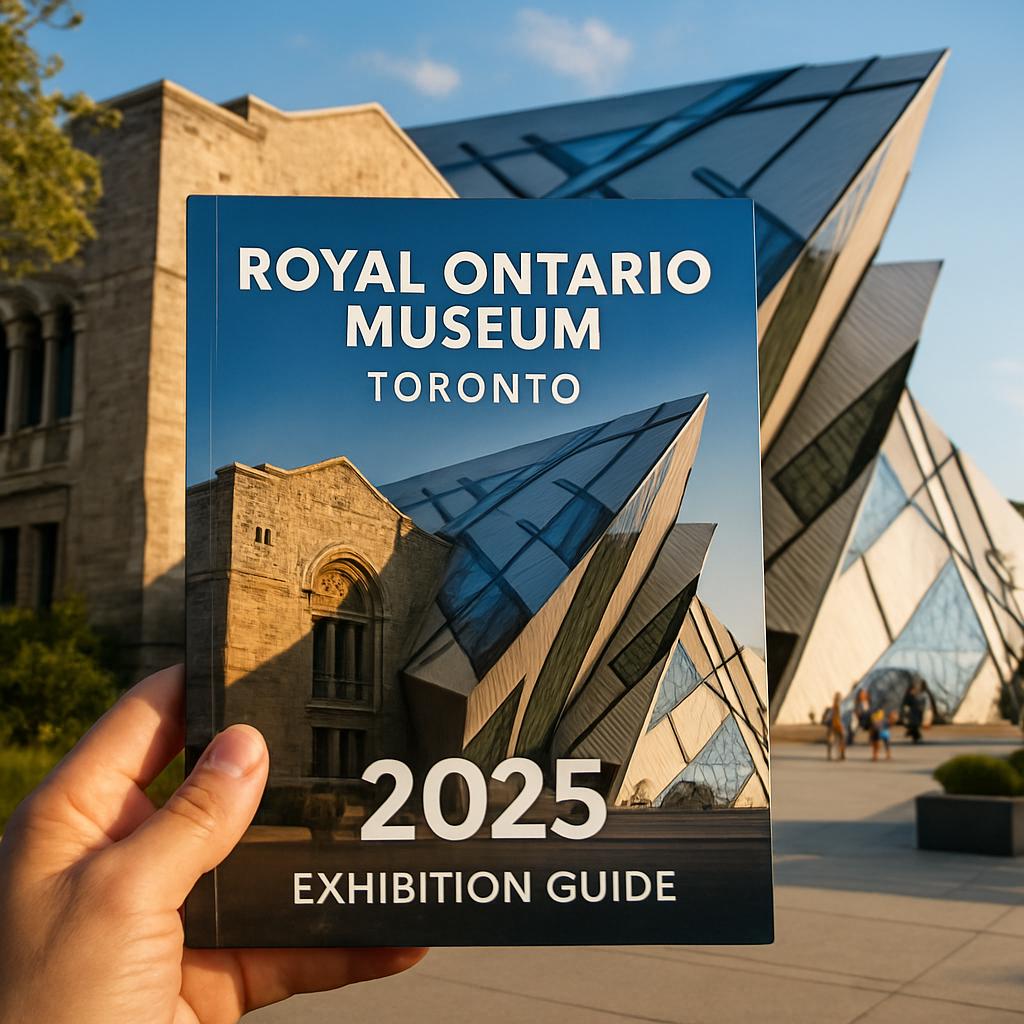
- Royal Ontario Museum (ROM), Toronto: The Crystal addition by architect Daniel Libeskind contrasts the original heritage building with its jagged glass façade.
- CN Tower, Toronto: Once the world’s tallest free-standing structure, this iconic telecommunications tower provides panoramic views and an edgy urban landmark.
- The Forks, Winnipeg: This cultural hub features a blend of contemporary architecture alongside historic railway buildings, creating a vibrant public space.
- Whistler Sliding Centre, Whistler: Not just a sporting venue but a marvel of modern engineering and design.
Each site offers a glimpse into different eras and styles, making them perfect stops for architecture enthusiasts traveling through Canada.
How to explore Canada’s architectural landmarks on a backpacking trip?
Backpacking across Canada presents a unique opportunity to experience a vast array of architectural styles while immersing in local culture. Here are tips for including architectural exploration in your travel plans:
- Plan regionally: Canada is huge, so organize your trip by province or city clusters to maximize your time.
- Use public transit and walking tours: Many cities like Toronto, Montreal, and Vancouver offer architecture-focused walking routes.
- Visit museums with architectural exhibitions: These often provide context on landmark buildings.
- Join guided tours: These can be specific to architecture, offering insider insights on design and history.
- Photograph landmarks at different times: Early morning and evening light enhance architectural features for photography enthusiasts.
Combining outdoor exploration with indoor experiences helps you appreciate the context and craftsmanship behind Canada’s landmark buildings.
What are the unique architectural features of Canadian historic buildings?
Canadian historic architecture displays a range of influences from Indigenous designs to European styles shaped by settlers and evolving communities.
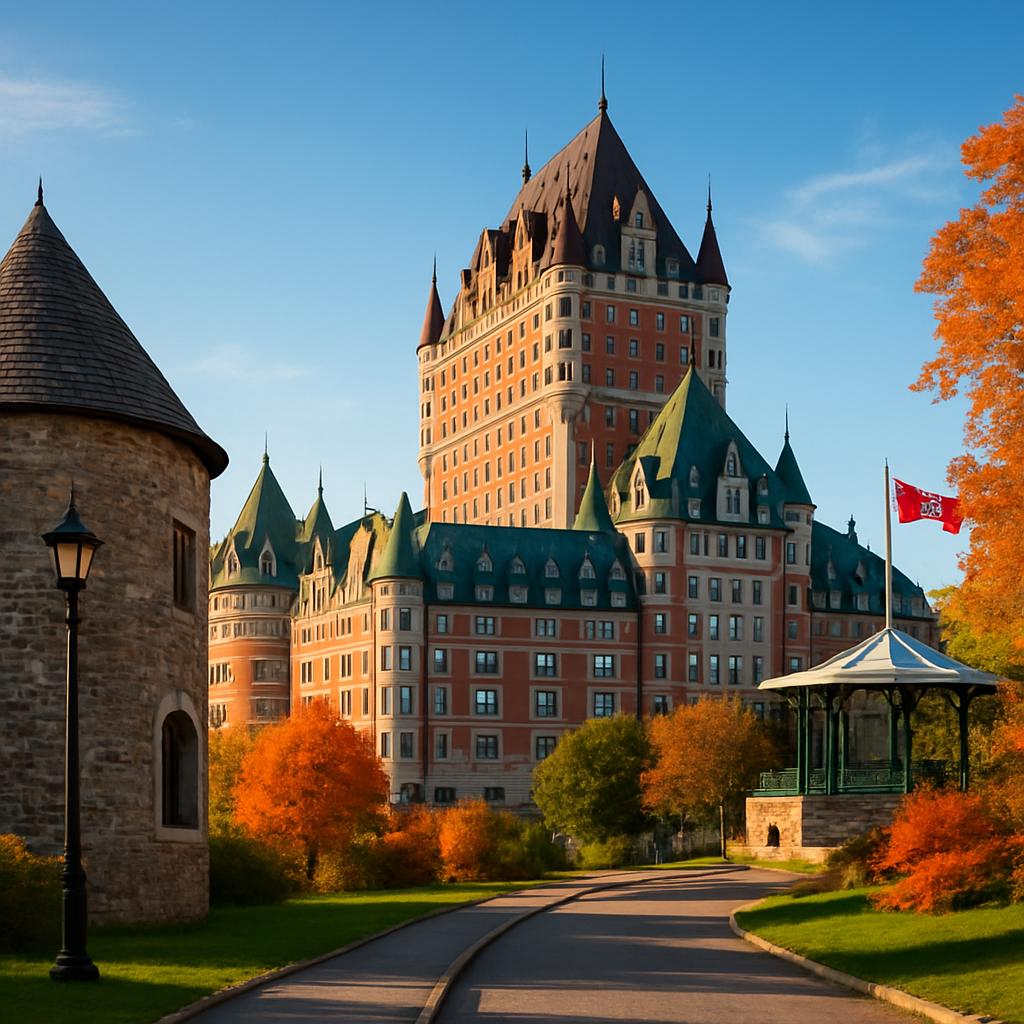
- Chateau-style hotels: Exemplified by Banff Springs Hotel and Château Frontenac, these have steep roofs, turrets, and stone façades inspired by French châteaux.
- Gothic Revival churches: Many Canadian cathedrals and churches like St. Joseph’s Oratory in Montreal showcase pointed arches, flying buttresses, and stained glass.
- Wood framing and log construction: Early pioneer homes and cabins reveal practical adaptations to Canada’s climate and available materials.
- Beaux-Arts and neoclassical public buildings: Examples include Toronto’s Union Station with its grand columns and ornamentation.
- Art Deco and Streamline Moderne buildings: Found in cities like Vancouver, reflecting early 20th-century design trends with geometric ornamentation and smooth lines.
These features reflect Canada’s layered history with cultural and environmental influences shaping how buildings were crafted.
Where to find Canada’s most innovative modern architecture?
Canada’s contemporary architectural scene boasts innovative projects focusing on sustainability, technology, and artistic expression.
- One Bloor, Toronto: A striking, twisting residential skyscraper representing urban luxury and modern aesthetics.
- Vancouver Convention Centre: Known for its living roof and environmentally friendly design, it’s an example of green architecture.
- National Gallery of Canada, Ottawa: The building features glass and granite with a massive spider sculpture “Maman” outside.
- TELUS Sky, Calgary: This skyscraper integrates LED light artwork into its façade, making it a luminous city landmark.
- University of British Columbia’s Centre for Interactive Research on Sustainability: An example of cutting-edge green building design.
Focusing on eco-friendly materials and high-tech solutions, these modern landmarks show Canada’s commitment to future-forward architecture.
What cultural stories do Canada’s architectural landmarks tell?
Architecture in Canada is far more than design; it communicates stories about identity, culture, and societal values.
- Indigenous influence: Seats of Indigenous culture and communities often include architectural forms reflecting connection to nature and tradition, such as the Great Hall at the Canadian Museum of History.
- Colonial history: Buildings like forts and government houses tell stories of settlement and political evolution.
- Multicultural mosaic: Neighborhoods in cities like Vancouver and Toronto display diverse styles shaped by immigrant communities, from Chinese gateways to Italianate row houses.
- National pride: Iconic buildings such as the Parliament Hill complex represent unity and democracy.
- Innovation and resilience: Landmark projects following natural disasters or urban renewal demonstrate adaptability and forward thinking.
These narratives are embedded in the bricks, stone, and glass, giving travelers a deeper connection to the places they visit.
Frequently Asked Questions
What are the top unique architectural landmarks in Canada to visit?
Top architectural landmarks include Habitat 67 in Montreal, Parliament Hill in Ottawa, the CN Tower in Toronto, and Château Frontenac in Quebec City. Each offers a distinct example of Canadian design and history.
Can I explore Canada’s architectural landmarks via walking tours?
Yes, many Canadian cities offer architecture-focused walking tours, particularly in Toronto, Montreal, and Vancouver, which highlight significant historical and modern buildings.
Which Canadian cities showcase the best modern architecture?
Toronto, Vancouver, Calgary, and Ottawa lead with impressive modern architecture, featuring skyscrapers, sustainable design projects, and cultural institutions.
How do Canadian historic buildings reflect cultural heritage?
Historic Canadian buildings reflect Indigenous, European colonial, and immigrant histories through styles like Gothic Revival, château-style hotels, and practical log cabins, telling stories of identity and environment.