Coastal Kayaking Adventures in British Columbia Best Routes
Posted on October 30, 2026 • 5 minutes • 874 words
Table of contents
- What are the best coastal kayaking routes in British Columbia?
- How to prepare for a coastal kayaking adventure in British Columbia?
- What wildlife can you see on B.C.’s coastal kayaking trips?
- Where are the best camping spots for multi-day coastal kayak trips in British Columbia?
- How to plan your itinerary for safe coastal kayaking in British Columbia?
- Frequently Asked Questions
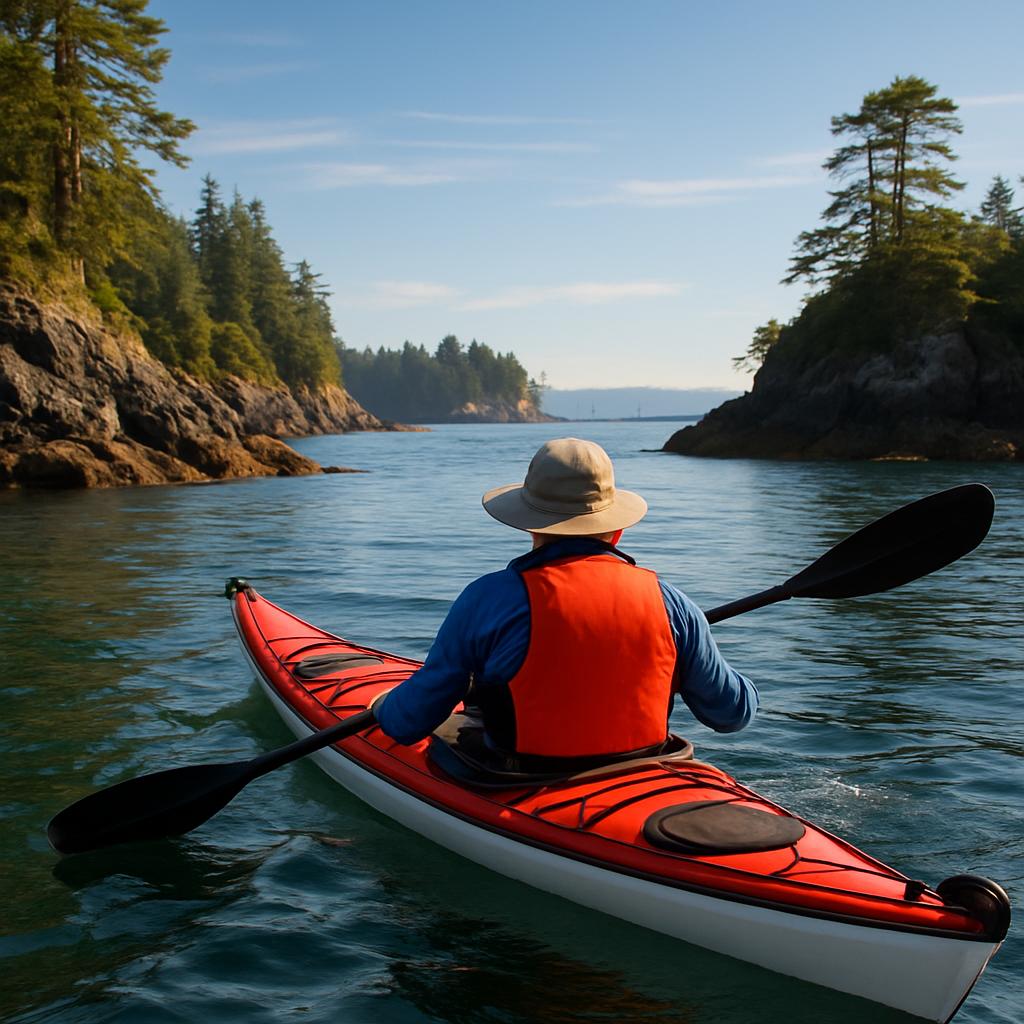
Exploring the extensive coastline of British Columbia by kayak reveals an intimate perspective on one of Canada’s most spectacular natural settings. Whether gliding across calm inlets, navigating through sea caves, or spotting marine wildlife, coastal kayaking immerses you in environments rich with scenic views and adventurous opportunities. For outdoor enthusiasts and backpackers, B.C.’s coastal routes offer a perfect blend of challenge and tranquility, with each paddling journey promising unique memories.
What are the best coastal kayaking routes in British Columbia?
British Columbia’s coast is dotted with hundreds of islands, fjords, and bays, creating an ideal playground for kayakers of all levels. Some of the most popular and rewarding routes include:
- Desolation Sound: Known for warm waters and stunning fjords, this route offers sheltered waters ideal for multi-day paddling.
- Gulf Islands Marine Trail: Perfect for exploring smaller islands with cultural sites and marine parks scattered throughout.
- Clayoquot Sound: Located on the west coast of Vancouver Island, this region is praised for its rainforest scenery and whale-watching opportunities.
- Juan de Fuca Strait: A route featuring dramatic ocean views, sea stacks, and access to remote beaches.
- Great Bear Rainforest: For experienced paddlers seeking wilderness and encounters with grizzly bears and rarely seen sea life.
Each route varies in difficulty, ranging from calm, sheltered waters suited for beginners to more challenging open ocean stretches for seasoned kayakers.
How to prepare for a coastal kayaking adventure in British Columbia?
Preparation is key to enjoying coastal kayaking while ensuring safety and comfort. Plan ahead by considering the following:
- Check weather and tides: Coastal microclimates affect paddling conditions. Study forecasts and plan trips around mild winds and favorable tides.
- Choose the right kayak and gear: A sea kayak with a rudder offers better stability and navigation. Essential gear includes a life jacket (PFD), waterproof clothing, spray skirt, and navigation tools.
- Learn local regulations: Many coastal areas fall within marine protected zones requiring permits or restrictions on camping.
- Safety equipment: Carry a marine radio or satellite communicator, first aid kit, and emergency supplies.
- Physical readiness: Paddling demanding routes requires stamina and basic kayaking skills; practice on calmer waters before embarking.
Local paddling clubs and tour operators can provide additional advice specific to your chosen route.
What wildlife can you see on B.C.’s coastal kayaking trips?
British Columbia’s coastal waters are teeming with marine life, making kayaking a fantastic way to observe animals in their natural habitats:
- Bald eagles soaring above forested shores
- Harbour seals basking on rocks
- Sea otters floating on their backs eating shellfish
- Orcas and humpback whales occasionally surfacing nearby
- Grey whales migrating through certain straits
- Colourful intertidal creatures visible during low tide along shorelines
Keep a respectful distance from wildlife, avoid disrupting habitats, and follow local wildlife viewing guidelines.
Where are the best camping spots for multi-day coastal kayak trips in British Columbia?
Many of B.C.’s coastal kayaking routes lend themselves to multi-day expeditions, with scenic camping sites along the way:
- Desolation Sound Marine Provincial Park: This protected area has several designated campsites with beaches and sheltered bays ideal for setting up tents.
- Gulf Islands: Sites are available on multiple islands such as Galiano, Pender, and Salt Spring, each offering different amenities and hiking opportunities.
- Clayoquot Sound: Remote coastal campsites amid old-growth forests provide serene overnight stops.
- Nootka Sound: Remote and less visited, campsites here offer solitude and pristine conditions.
- Cape Scott Provincial Park: At the northern tip of Vancouver Island, this area has rugged wilderness campsites accessible by kayak.
Booking campsites in advance may be necessary during peak seasons to secure spots.
How to plan your itinerary for safe coastal kayaking in British Columbia?
Mapping out each day’s paddle and taking safety factors into account makes your coastal kayaking trip enjoyable:
- Break distances into manageable segments based on experience and weather conditions.
- Identify sheltered stopping points in case of sudden weather changes.
- Include time for rest, wildlife viewing, and exploring on foot.
- Arrange for transportation to and from launch and landing points.
- Keep others informed of your planned route and check in regularly if possible.
- Familiarize yourself with evacuation procedures and rescue contacts along your route.
Coastal kayaking requires adaptability; be prepared to modify plans in response to conditions.
Frequently Asked Questions
What is the best season for coastal kayaking in British Columbia?
The best season typically runs from late May to early September when the weather is warmer and drier, seas are calmer, and daylight hours are longest, providing optimal conditions for paddling and camping.
Are coastal kayaking trips in B.C. suitable for beginners?
Yes, there are routes such as sections of Desolation Sound and the Southern Gulf Islands that are beginner-friendly with calm waters and short distances, but beginners should take guided tours or lessons before attempting longer trips.
Do I need a permit for coastal kayaking in British Columbia?
Permits are often required for camping in provincial parks and some marine protected areas. Always check with local park authorities or the British Columbia Parks website before your trip to find out about specific permit requirements.
Can I rent kayaks and gear on-site for coastal paddling routes?
Many coastal towns and marine parks offer kayak rentals and guided tours, supplying gear and safety equipment. Renting locally can ease logistics, especially for visitors without their own equipment.