Best Time to Visit the Cariboo Plateau
Posted on March 17, 2026 • 4 minutes • 731 words
Table of contents
Best Time to Visit the Cariboo Plateau
The Cariboo Plateau in British Columbia offers a rugged and stunning landscape that changes dramatically with the seasons, making the timing of your trip crucial for a memorable experience. Whether you seek the vibrant wildflowers of summer, the golden hues of autumn, or the serene snowscapes of winter, each period brings a distinct flavor to this vast region. Understanding the unique character of each season helps travelers align their expectations with reality, ensuring you catch the landscape in its most compelling state. This guide breaks down the seasonal shifts to help you plan a trip that matches your specific interests and desired activities.
Summer: Peak Season for Hiking and Wildlife
From late June through August, the Cariboo Plateau transforms into a haven for outdoor enthusiasts. During these months, temperatures are mild, and the days are long, providing ample daylight for exploration. The high elevation of the plateau means that summer is the only time when the higher trails are completely free of snow. Hikers can access popular routes like the Cariboo Wagon Road and the trails around Barkerville Historic Town without obstruction.
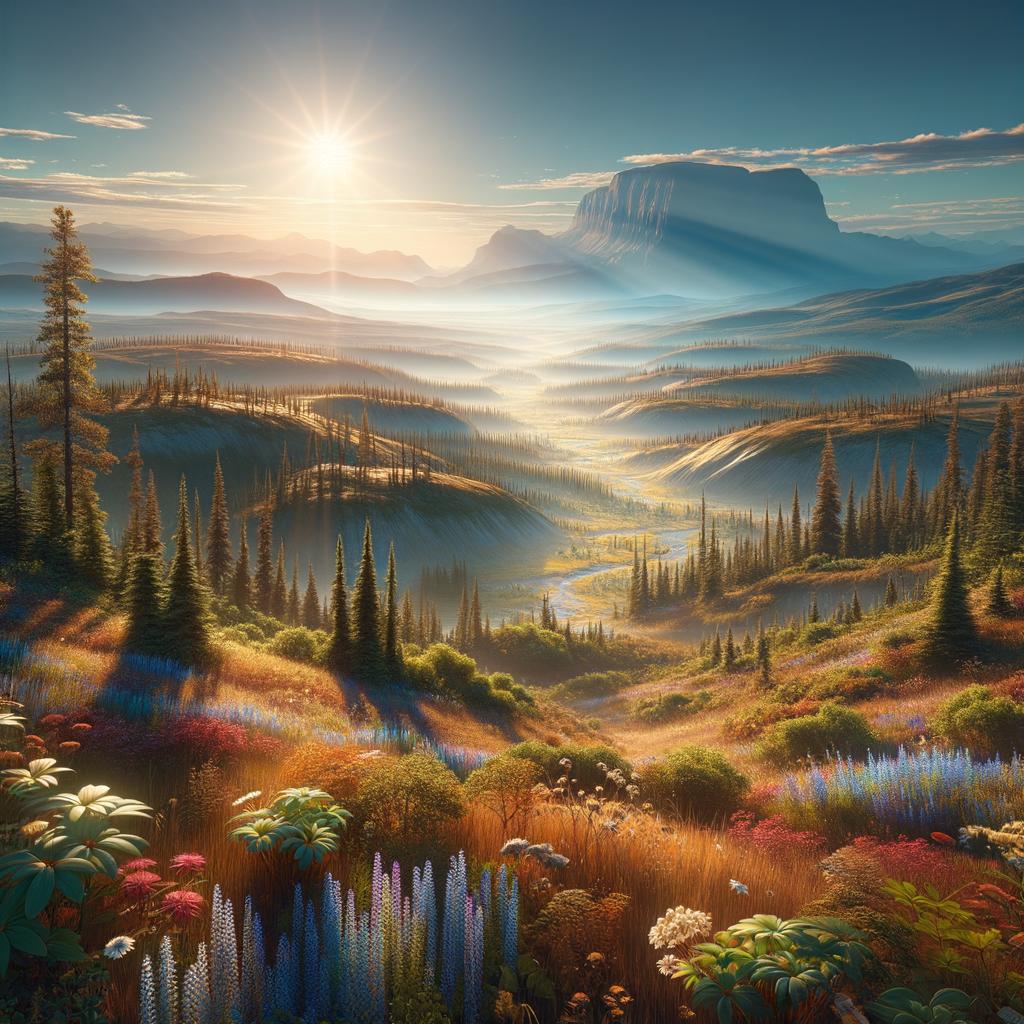
Wildlife viewing reaches its zenith during this season. Moose populations are active near the lakes and rivers, and bears often forage for berries in the clearings. Birdwatchers will find a wealth of species, including the elusive mountain plover and various raptors soaring above the open grasslands. Camping becomes a primary activity, with most provincial parks and campgrounds operating at full capacity. The wildflower displays are particularly spectacular, painting the hillsides in shades of yellow, purple, and red. If your goal is to hike, camp, and see the plateau in its most accessible form, summer is the definitive choice.
Autumn: A Golden Landscape for Photography
As summer fades, the Cariboo Plateau enters its most photogenic phase. Typically starting in late August and extending through September, the larch trees and aspen groves turn a brilliant gold. This color contrast against the deepening blue sky creates a visual spectacle that draws photographers from across the country. The air grows crisp, and the crowds thin out significantly compared to the summer rush.
This season offers excellent opportunities for elk hunting, as the rutting season begins, and deer populations become more active in the early mornings. The weather remains relatively stable for much of September, though temperatures can drop rapidly as evening approaches. It is also a great time for fishing in the local lakes, as the water cools and fish become more active. Travelers who prefer solitude and stunning natural backdrops will find autumn to be the ideal window for a peaceful retreat.
Winter: Snowy Serenity and Winter Sports
When the first snows arrive, usually by late October, the Cariboo Plateau becomes a winter wonderland. The snowpack is substantial, turning the landscape into a white expanse perfect for snowshoeing, cross-country skiing, and dog sledding. The silence of the snow-covered hills offers a profound sense of peace that is difficult to find elsewhere.
Winter tourism thrives on these unique activities. Many lodges and resorts offer guided snowmobile tours or horse-drawn sleigh rides that showcase the vastness of the region from a different perspective. The cold air is clear, making for excellent stargazing on cloudless nights. However, travelers must be prepared for sub-zero temperatures and potential road closures. Driving requires winter tires and caution, as snow can fall rapidly and accumulate quickly on the highways. For those equipped for the cold, winter provides an authentic and quiet experience of the plateau.
Spring: The Awakening of the Plateau
Spring on the Cariboo Plateau is a transitional period that can be unpredictable. From April to May, snowmelt turns the terrain into a mud-filled landscape, making many roads impassable for standard vehicles. This is often referred to as the “mud season.” While the snow recedes, the ground remains soft and wet, limiting access to higher elevations.
Despite the challenges, spring has its charms. The melting snow feeds the rivers and lakes, leading to high water levels that attract migratory birds. Wildlife is active as animals emerge from winter dens, and the first green shoots appear in the valleys. This season is best suited for those who enjoy solitude and do not mind rougher travel conditions. It is a time of renewal, but visitors should verify road conditions and be prepared for muddy trails and cooler temperatures before planning extensive outdoor activities.