Best Free Camping Spots in the Cariboo Region
Posted on November 21, 2026 • 5 minutes • 853 words
Table of contents
- What are the best free camping spots in the Cariboo region?
- How to access free camping in the Cariboo wilderness?
- What should you pack for free camping in the Cariboo region?
- What are the top activities near free campsites in the Cariboo?
- How to respect the environment while camping for free in the Cariboo?
- Frequently Asked Questions
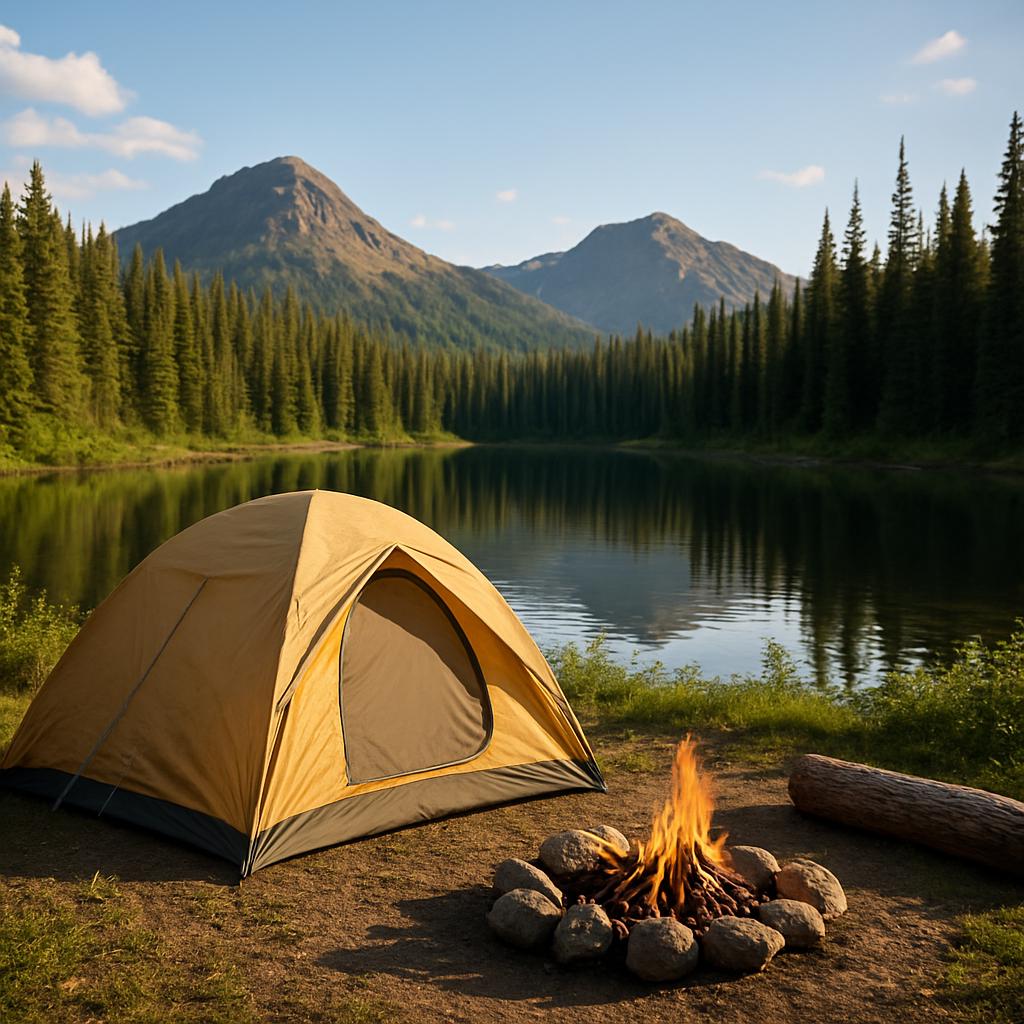
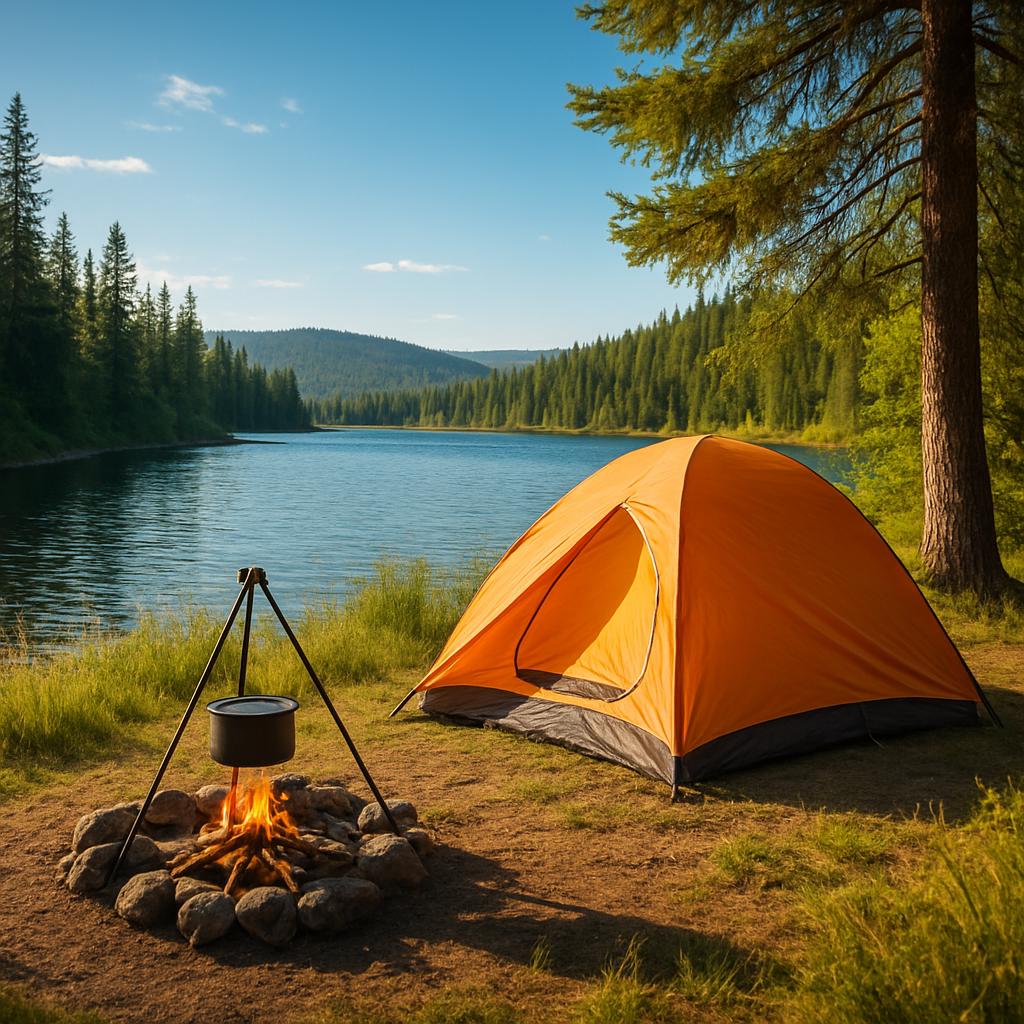
Finding a place to camp without breaking the bank can be a rewarding way to experience the Cariboo region’s natural beauty. This historic area in British Columbia offers countless spots where you can enjoy the outdoors free of charge, surrounded by lakes, forests, and mountains. Whether you prefer a quiet lakeside setting or a forested trailhead, there’s a range of options that provide a memorable camping adventure without the need for reservations or fees.
What are the best free camping spots in the Cariboo region?
The Cariboo is packed with wilderness areas perfect for free camping, often called dispersed or backcountry camping. Some top spots stand out for their natural appeal and accessibility:
- Chilcotin Plateau near Tatla Lake: Offers remote camping near pristine lakes with minimal facilities.
- Bowron Lakes Provincial Park Perimeter Access: Outside main campgrounds, there are free camping opportunities along access roads.
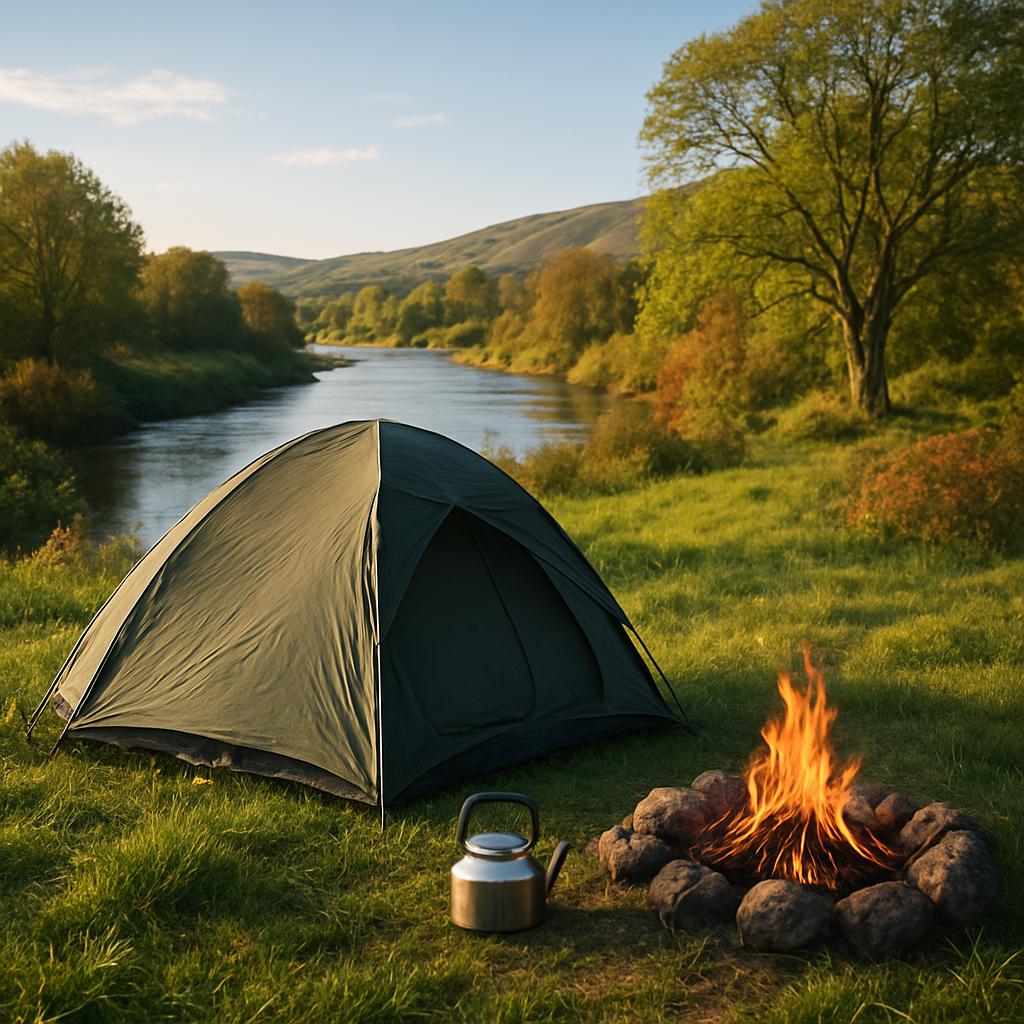
- Fraser River Backcountry: Numerous pull-offs and forest service roads provide quiet spots along the river.
- Quesnel River Forest Areas: Unofficial campsites nestled among pine and fir trees close to hiking trails.
These areas typically have no amenities, so you’ll want to prepare accordingly, bringing everything needed for your stay and practicing Leave No Trace principles to keep the sites pristine.
How to access free camping in the Cariboo wilderness?
Finding and reaching free campsites often involves traveling on logging roads or forest service roads, which can vary in condition throughout the year. Before heading out:
- Check local forest district websites or B.C. government resources for road and area conditions.
- Bring a vehicle suited for gravel or rough roads if planning to drive directly to your campsite.
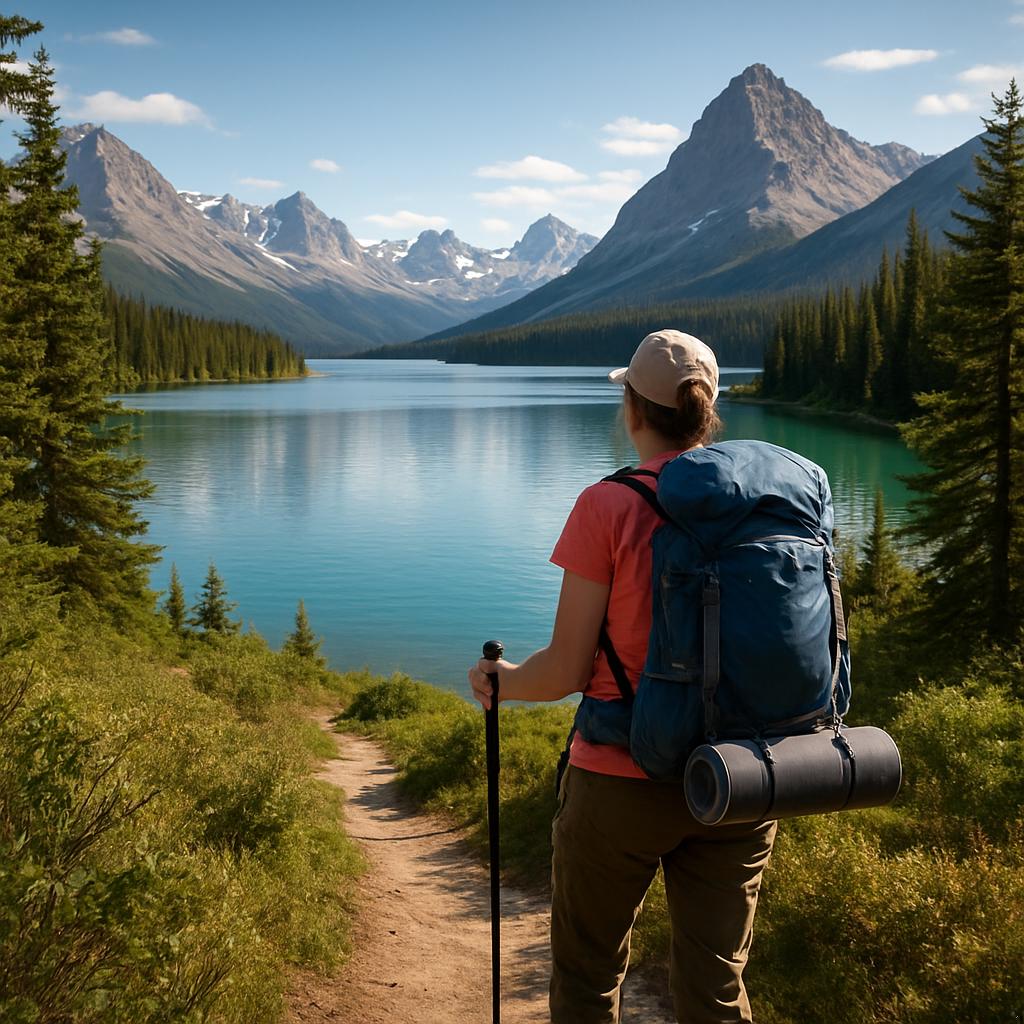
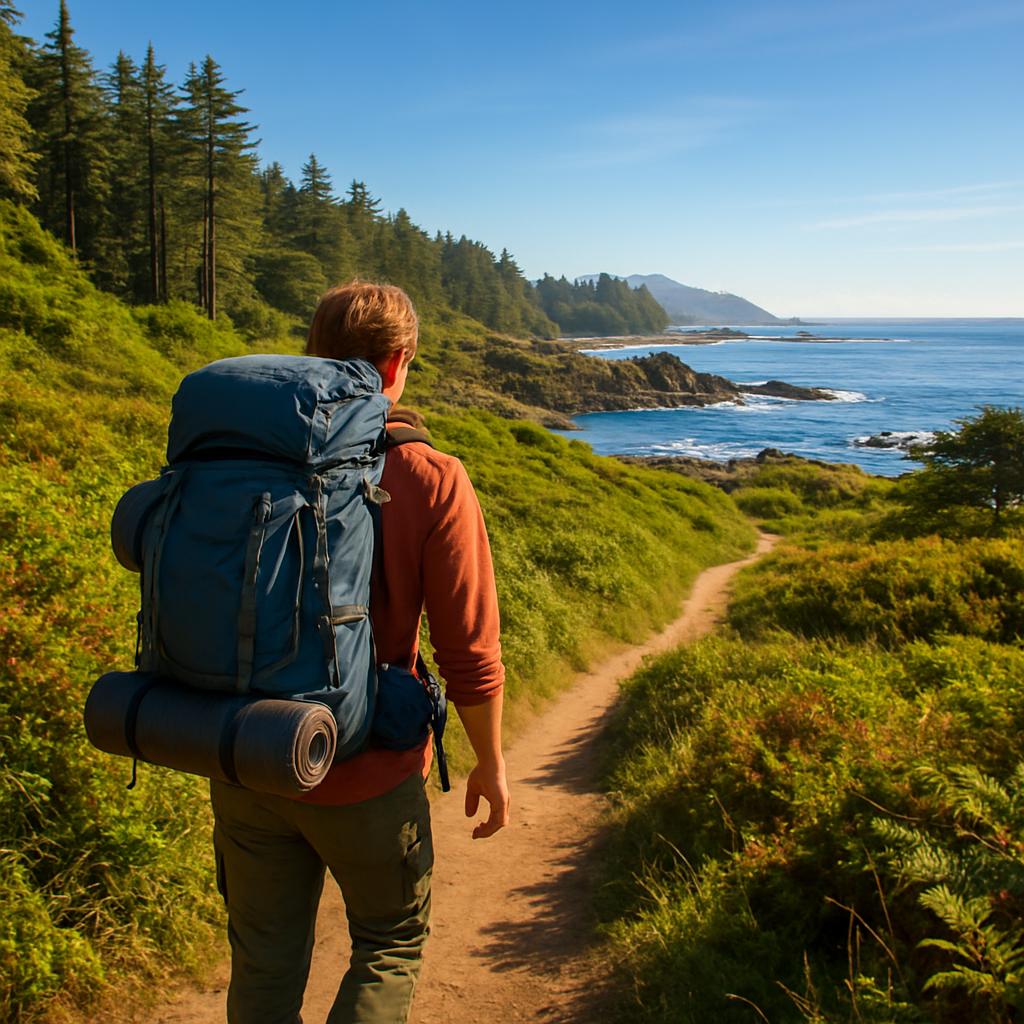
- Some spots may require a short hike from parking areas, so pack gear accordingly.
- Satellite maps or GPS apps that allow offline use can be invaluable since cell reception is limited in remote zones.
Using well-maintained logging roads increases your chances of a smooth trip, but always be ready for unexpected closures or washouts, especially during spring and fall seasons.
What should you pack for free camping in the Cariboo region?
Preparing for a free camping trip in the Cariboo involves packing self-sufficiently due to limited services:
Camping basics:
- Tent, sleeping bag, and sleeping pad
- Cooking gear and food storage containers (bear-proof if possible)
- Water filter or purification tablets (there are natural water sources but not always safe to drink untreated)
- Portable stove and fuel (open fires may be restricted depending on the season)
Safety and navigation:
- Detailed maps and compass or GPS device
- First aid kit and emergency supplies
- Bear spray and knowledge of bear safety
- Weather-appropriate clothing layers for cool night temperatures
Leave No Trace tools:
- Trash bags to pack out all garbage
- Portable toilet options or means to dig catholes
- Biodegradable soap and minimal-impact toiletries
Going light but prepared helps keep your camping enjoyable and safe while minimizing impact on the environment.
What are the top activities near free campsites in the Cariboo?
Camping in the Cariboo unlocks easy access to outdoor fun, with activities depending on your chosen area:
- Fishing: Many free campsites are near lakes and rivers stocked with trout, bass, or kokanee.
- Hiking: Explore forest trails or river paths from your campsite, offering varying levels of difficulty.
- Wildlife Watching: Early mornings or evenings provide chances to spot deer, moose, eagles, and smaller mammals.
- Photography: Capture rugged landscapes, wildflowers, and stunning sunsets in these lesser-trafficked spots.
- Kayaking and Canoeing: Some lakes near free campsites allow non-motorized boating for peaceful water exploration.
Packing gear for the activities you prefer lets you maximize your time in these scenic, budget-friendly spots.
How to respect the environment while camping for free in the Cariboo?
With free camping areas often falling outside designated campsites, it’s crucial to tread lightly:
- Camp only in existing or durable spots to avoid disturbing vegetation.
- Keep campfires small and within legal guidelines or use yes a portable stove instead.
- Always pack out what you pack in, including food scraps, to avoid attracting wildlife.
- Dispose of human waste properly by using catholes at least 200 meters from water sources.
- Respect quiet hours and avoid disrupting wildlife or other campers.
These responsible habits protect the wilderness for future adventurers and maintain the Cariboo as a clean, safe, and wild destination.
Frequently Asked Questions
Where can I find free camping near Quesnel in the Cariboo?
There are several forest service roads and dispersed camping areas around Quesnel along the Quesnel River and surrounding forested zones, including the Barkerville Highway corridor where unofficial campsites exist.
Are campfires allowed at free campsites in the Cariboo region?
Campfire restrictions vary seasonally; it’s best to check current fire bans with the B.C. Wildfire Service before your trip. Often, portable stoves are recommended to reduce fire risk.
Do free campsites in Cariboo have water access?
Many free sites are near lakes or rivers, but water quality isn’t guaranteed safe for drinking without treatment. Always bring a water filter or purification method.
Can I bring my pet to free camping areas in Cariboo?
Pets are generally allowed, though they should be kept under control and leash laws respected. Watch for wildlife encounters and pack out pet waste.