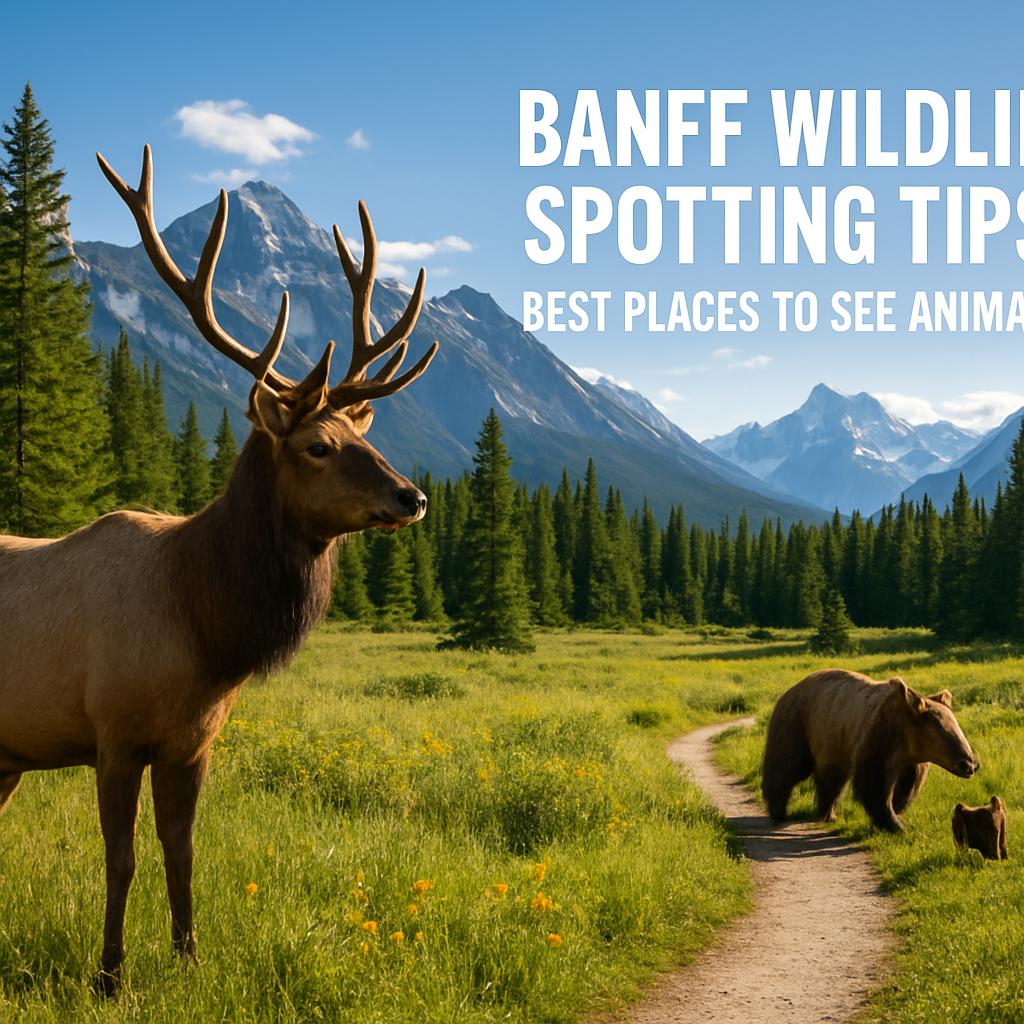
Banff Wildlife Spotting Tips: Best Places to See Animals
Posted on October 26, 2026 • 5 minutes • 952 words
Table of contents
- What are the best tips for wildlife spotting in Banff?
- What are the top wildlife hotspots in Banff National Park?
- How to prepare for safe and responsible wildlife viewing in Banff?
- Which animals can you commonly see while wildlife spotting in Banff?
- How to photograph wildlife in Banff National Park effectively?
- Frequently Asked Questions
Banff National Park offers a mesmerizing experience for nature lovers, especially those eager to catch a glimpse of Canada’s iconic wildlife. Whether you are a seasoned wildlife enthusiast or a casual viewer hoping to spot a few animals, Banff provides opportunities to observe diverse species in their natural habitat. Knowing the best tips for wildlife spotting and the top hotspots can transform your visit into an unforgettable adventure that connects you with nature’s wild side.
What are the best tips for wildlife spotting in Banff?
Spotting wildlife in Banff requires patience, awareness, and respect for the animals’ natural environment. Here are essential tips to help increase your chances:
- Go at Dawn or Dusk: Many animals, like elk, deer, and bears, are more active during cooler parts of the day, making early mornings and late evenings the prime times for sightings.
- Stay Quiet and Move Slowly: Sudden movements and loud noises can scare off wildlife. Walking quietly improves your chances of seeing animals close up.
- Keep a Safe Distance: Always observe animals from afar, using binoculars or a zoom lens, to avoid disturbing them or putting yourself at risk.
- Use Binoculars or a Telephoto Lens: These tools enhance your viewing experience, allowing you to see detailed behaviors without getting too close.
- Avoid Feeding Animals: Feeding wildlife disrupts their natural habits and may cause unpredictable behavior.
- Follow Park Regulations: Stick to designated trails and obey all wildlife warnings and park guidelines to keep both yourself and the animals safe.
- Be Patient: Wildlife spotting is often about waiting for the right moment. Taking time quietly can yield amazing encounters.
What are the top wildlife hotspots in Banff National Park?
Certain areas in Banff offer better chances to spot specific animals. Identifying these key hotspots can streamline your wildlife viewing plan.
- Bow Valley Parkway (Highway 1A)
This scenic route is renowned for frequent wildlife sightings, including bears, elk, and wolves. Drive slowly and watch for animals crossing. - Lake Minnewanka
The shores and forests around this large lake attract deer, mountain goats, and birds of prey. Hiking trails here often provide unexpected animal encounters. - Tunnel Mountain Trails
Close to Banff townsite, these trails are good for spotting deer and sometimes bears, especially during early morning hikes. - Sunshine Meadows
Located near the Sunshine Village ski area, this alpine area offers sightings of marmots, pikas, and mountain goats during the summer months. - Johnston Canyon
Popular for its waterfalls and trails, this canyon is frequented by black bears and elk, especially in quieter areas off the main paths.
How to prepare for safe and responsible wildlife viewing in Banff?
Ensuring your safety and the well-being of the animals goes hand in hand with wildlife viewing. Preparation is key:
- Carry Bear Spray: Bears are common in Banff. Bringing bear spray and knowing how to use it is crucial.
- Travel in Groups: Animals are less likely to approach a group, and groups are safer.
- Store Food Securely: Use animal-proof containers or lockers provided at campsites to keep food out of reach.
- Dress Appropriately: Wear neutral-colored clothing that blends into the environment and sturdy boots for diverse terrain.
- Know Emergency Procedures: Familiarize yourself with park emergency contacts and first aid tips in case of encounters.
- Respect Seasonal Closures: Certain areas close during sensitive wildlife periods such as mating or calving season.
Which animals can you commonly see while wildlife spotting in Banff?
Banff hosts a wide range of wildlife that adds excitement to any visit. Knowing what to expect can help you identify species and understand animal behavior.
- Elk: Seen during rutting season in fall, large herds graze in meadows and along roadsides.
- Grizzly and Black Bears: Both species roam Banff; grizzlies tend to stay in forested or alpine zones.
- Deer: Mule deer and white-tailed deer are widespread and often seen near wooded areas.
- Mountain Goats and Bighorn Sheep: These can be found on rocky slopes and rugged terrain.
- Wolves and Coyotes: These elusive predators are rare to spot but can sometimes be seen during quiet hours.
- Bird Species: Look for bald eagles, ravens, and various raptors soaring above or perched near lakes.
How to photograph wildlife in Banff National Park effectively?
Capturing the beauty of Banff’s wildlife requires some quick thinking along with technical knowledge:
- Use a Telephoto Lens: A lens with 200mm or longer focal length helps in photographing from a distance.
- Shoot in Burst Mode: Animals move unpredictably; burst shots increase your chances of capturing the perfect moment.
- Focus on the Eyes: Sharp focus on the animal’s eyes creates engaging and lively photos.
- Be Patient and Observant: Wait for natural behaviors or interesting animal interactions before snapping.
- Consider Lighting Conditions: Early morning and late evening offer softer, more flattering light.
- Respect Animal Space: Avoid using flash or getting too close to prevent stress to the animal.
Frequently Asked Questions
When is the best time of year for wildlife spotting in Banff?
The best times are spring and fall when animals are more active, especially during dawn and dusk. Fall also features elk rutting season, which offers dramatic viewing opportunities.
Can I see bears safely in Banff National Park?
Yes, bears can be seen safely by maintaining distance, using bear spray, traveling in groups, and following park safety rules.
Are there guided tours for wildlife spotting in Banff?
Yes, several companies offer guided wildlife tours that increase your chances of sightings and provide expert knowledge on animal behavior and safety.
What should I do if I encounter a bear while hiking in Banff?
Stay calm, do not run, slowly back away while facing the bear, and use bear spray if the bear approaches too closely. Making yourself look bigger and speaking in a calm voice can also help deter the animal.