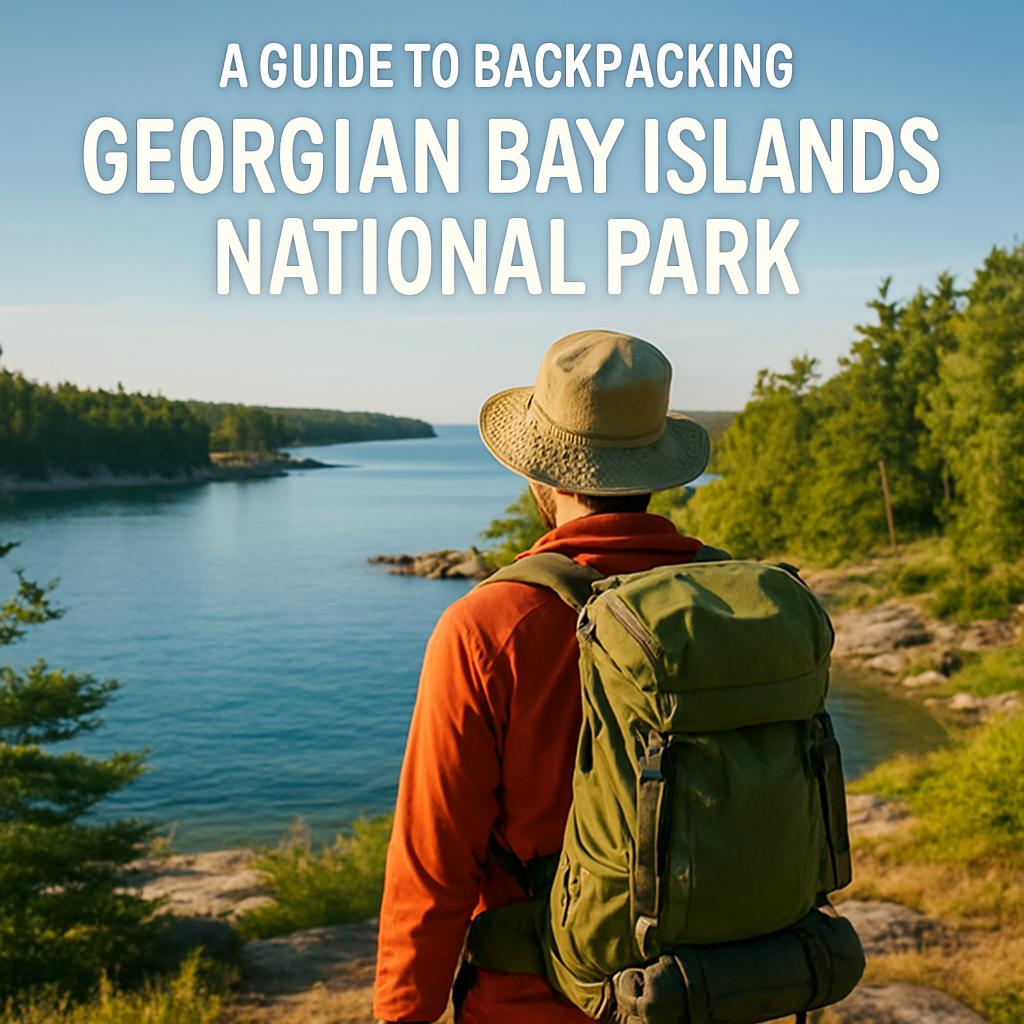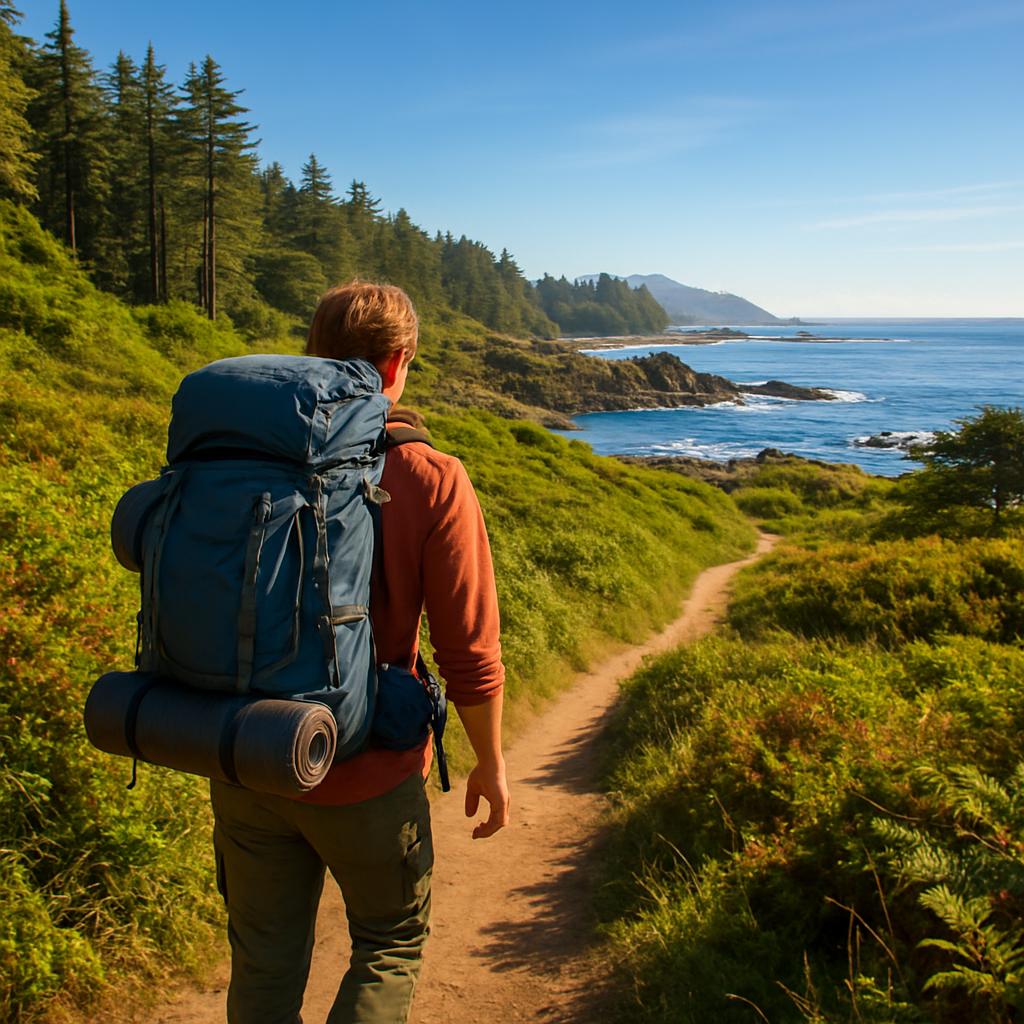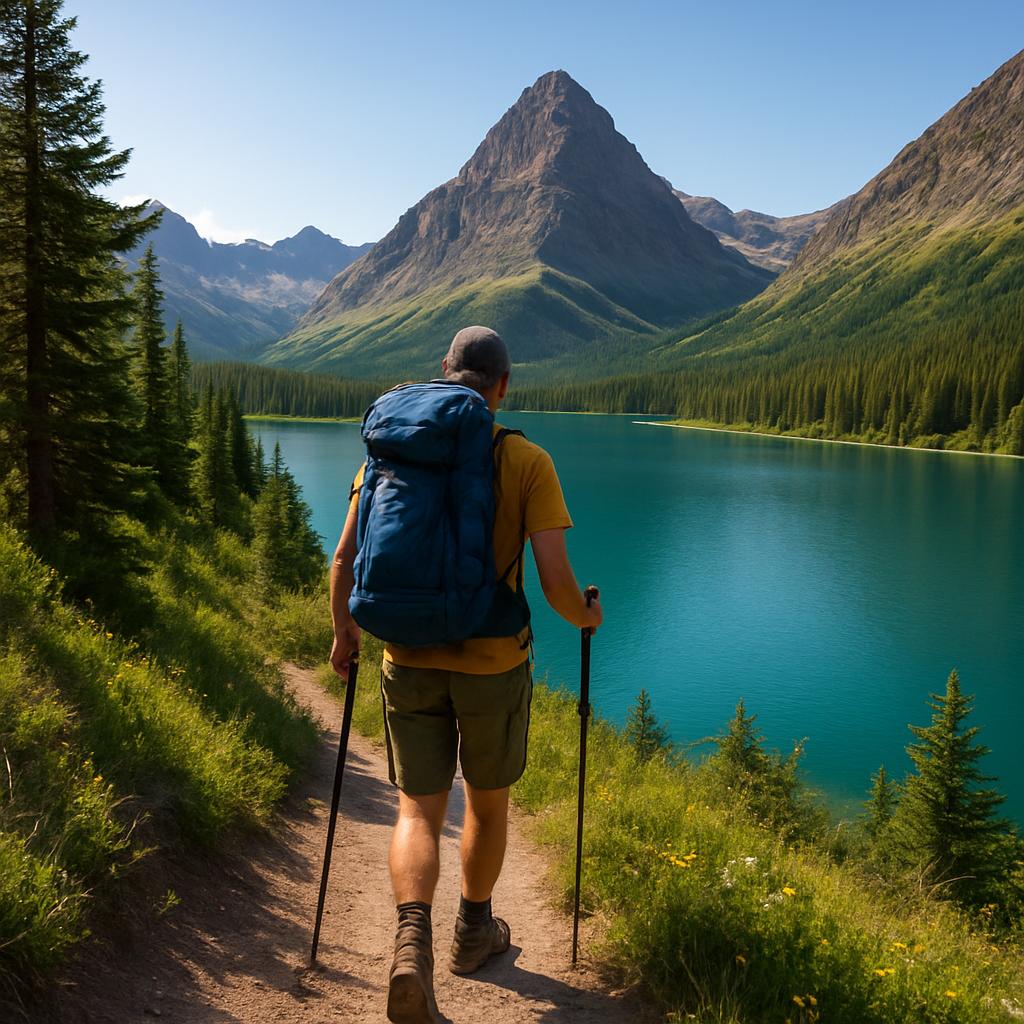
Backpacking Waterton Lakes National Park
Posted on November 6, 2026 • 5 minutes • 935 words
Table of contents
- What are the best backpacking trails in Waterton Lakes National Park?
- How to prepare for a successful backpacking trip in Waterton Lakes National Park?
- Where are the best backcountry campsites in Waterton Lakes National Park for backpacking?
- What wildlife can you encounter while backpacking in Waterton Lakes National Park?
- How to stay safe and respectful while backpacking in Waterton Lakes National Park?
- Frequently Asked Questions
Exploring the wild beauty of Waterton Lakes National Park is a thrilling adventure for any backpacker. Situated on the southwestern edge of Alberta, this UNESCO World Heritage Site offers rugged trails, pristine lakes, and a blend of prairie and mountain ecosystems. Whether you’re an experienced hiker or a nature enthusiast looking for your next big escape, backpacking in Waterton Lakes provides a memorable experience full of breathtaking views and diverse wildlife.
What are the best backpacking trails in Waterton Lakes National Park?
Waterton Lakes National Park has a variety of trails suited for backpackers seeking different levels of challenge and solitude. Some of the top trails include:
Akamina Parkway and Rockwall Trail: This route features stunning views of alpine meadows, towering cliffs, and an opportunity to spot mountain goats. The Rockwall Trail is a multi-day trek, perfect for those wanting an immersive backcountry experience.
Crypt Lake Trail: Known for its thrilling climbs and a narrow tunnel, this trail requires a permit but rewards with incredible lake views and waterfall sightings. Usually done as a day hike, it’s also possible to camp nearby for an extended trip.
Blakiston Creek Trail: This trail offers serene forest scenery and access to the Blakiston Falls. It’s less crowded and features several potential camping spots, making it a great choice for peaceful backpacking.
Bear’s Hump Trail: For backpackers seeking a shorter hike with panoramic park views, Bear’s Hump is popular. Though shorter, combining it with other trails can create a half-day or full-day backpacking plan.
How to prepare for a successful backpacking trip in Waterton Lakes National Park?
Preparation is key to ensuring your backpacking trip is safe and enjoyable. Some important factors to consider before heading out include:
Permits and Regulations: Certain backcountry campsites require permits, which can be reserved in advance through the park’s official website. Make sure to check updated rules on fire restrictions and camping limits.
Weather and Season: Weather can change rapidly in the mountains. Dress in layers and pack rain gear. The best time for backpacking ranges from late June to early September, when trails are mostly snow-free.
Packing Essentials: Lightweight backpacking gear reduces fatigue. Don’t forget maps or GPS, a first-aid kit, sufficient water, and food supplies. A bear spray is recommended due to wildlife presence in the park.
Fitness Level and Trail Difficulty: Assess your physical condition honestly and choose trails accordingly. Some multi-day hikes are physically demanding and require stamina and experience in backpacking.
Where are the best backcountry campsites in Waterton Lakes National Park for backpacking?
Backpacking permits often include access to designated backcountry campsites that provide a minimal impact experience on the environment. Key camping areas in Waterton’s backcountry include:
Blakiston Campground: Located near Blakiston Creek, it offers sites with flat ground and access to fresh water. A good base for exploring nearby trails.
Helen Lake Campground: Situated close to the Rockwall area, this site is ideal for hikers doing the Rockwall Trail, featuring scenic mountain surroundings.
Boyd Campground: A smaller site nestled within forested areas along the Akamina Parkway trail, giving a peaceful night under the stars.
Crypt Lake Trail Campsites: While most hikers do the Crypt Lake Trail as a day trip, camping options are available near trailheads for early starts.
What wildlife can you encounter while backpacking in Waterton Lakes National Park?
Waterton Lakes is home to a variety of wildlife, resulting in unique encounters along backpacking routes. You might spot:
- Grizzly and black bears (carry bear spray and be bear-aware)
- Mountain goats and bighorn sheep on rocky cliffs
- Deer and elk grazing near meadows
- Coyotes and foxes in quieter forested areas
- Numerous bird species including bald eagles and hawks
Observing from a distance is safest. Store food securely in bear-proof containers and follow park guidelines to minimize disturbance to wildlife.
How to stay safe and respectful while backpacking in Waterton Lakes National Park?
Safety and respect for the environment make every backpacking trip enjoyable and sustainable.
Wildlife Safety: Keep a safe distance and make noise while hiking to avoid surprising animals. Use bear spray if needed and know how to use it properly.
Leave No Trace Principles: Pack out all garbage, minimize campfire impacts, and stay on marked trails to protect fragile habitats.
Emergency Preparedness: Carry a fully charged phone or satellite messenger, know basic first aid, and inform someone of your itinerary before heading out.
Trail Etiquette: Yield to other hikers and horseback riders, avoid loud noises, and respect other campers’ privacy and quiet hours.
Frequently Asked Questions
What permits are required for backpacking in Waterton Lakes National Park?
Backcountry camping permits are needed for overnight stays at designated backcountry campsites. These can be booked through Parks Canada, and fees apply. Day hikes do not require permits but some trails, like Crypt Lake, may have a separate booking system.
Are there water sources available on backpacking trails in Waterton Lakes?
Many backpacking trails have access to streams, creeks, or lakes, but water should always be treated or filtered before drinking to avoid illness. Carrying a lightweight water filter or purification tablets is recommended.
When is the best time of year to go backpacking in Waterton Lakes National Park?
Late June through early September is the recommended backpacking season, as most snow has melted and trails are accessible. Weather can still be cool and variable, so be ready for sudden changes.
How can I prevent bear encounters while hiking in Waterton Lakes?
Hiking in groups, making noise regularly, avoiding hiking at dawn or dusk, and carrying bear spray are key to preventing encounters. Store food properly and camp in designated areas to reduce attracting wildlife.