Backpacking Through Canada: Essential Tips for Transport
Posted on November 16, 2026 • 5 minutes • 1043 words
Table of contents
- What are the best transport options for backpacking in Canada?
- How to find affordable and healthy food while backpacking in Canada?
- What transportation passes and discount cards help backpackers in Canada?
- What food safety tips should backpackers follow in Canada?
- How to pack food and transport gear efficiently for backpacking in Canada?
- Frequently Asked Questions
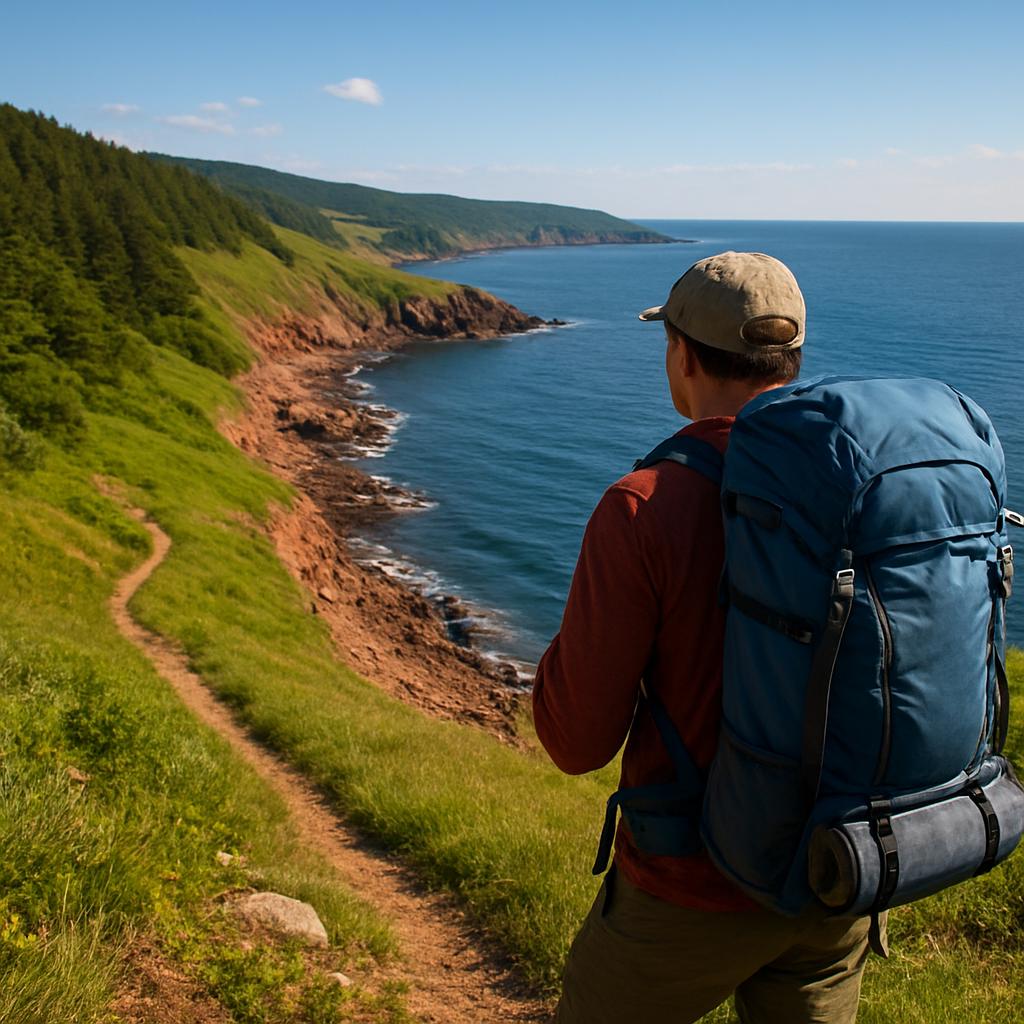
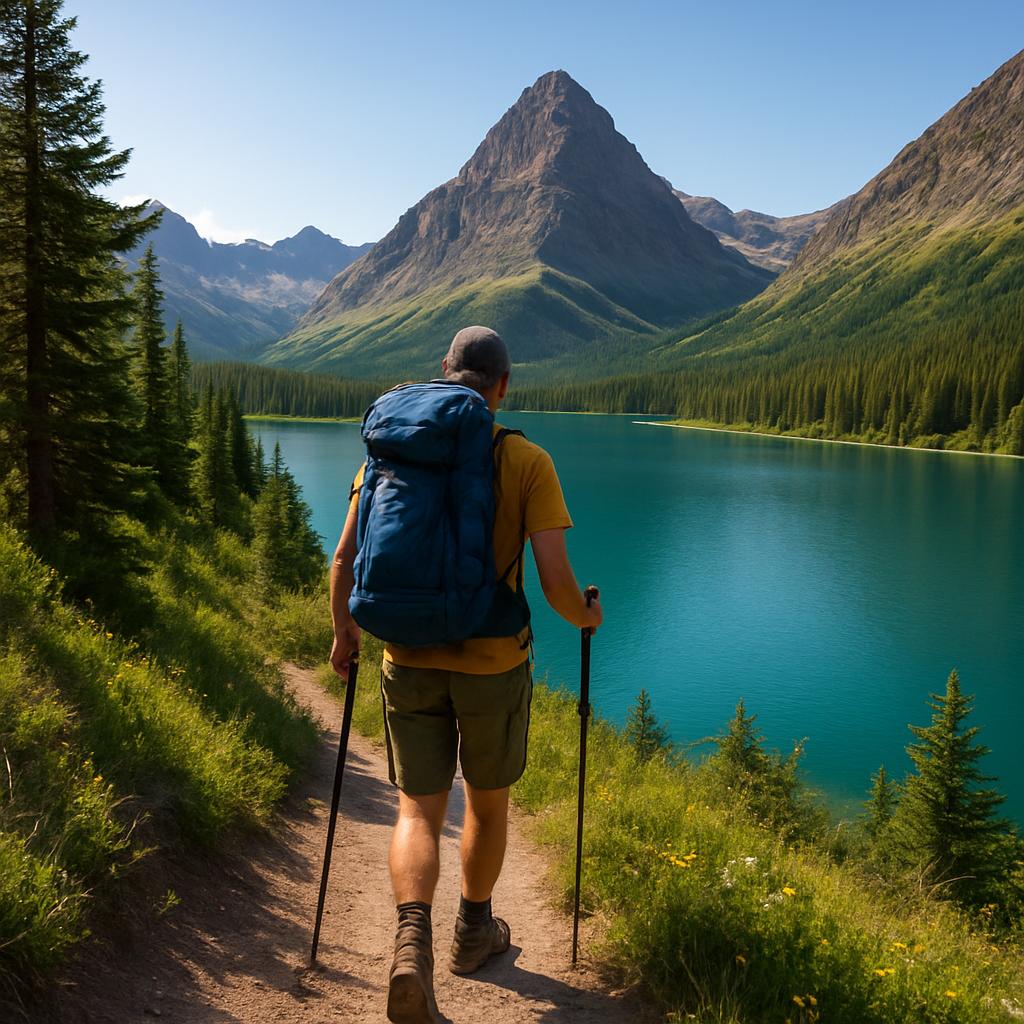
Backpacking through Canada is a thrilling adventure filled with breathtaking scenery, diverse cultures, and unforgettable experiences. Whether you’re exploring the majestic Rocky Mountains, wandering through vibrant cities like Vancouver and Toronto, or hiking along the stunning coastal trails of Nova Scotia, knowing how to manage transport and food is key to making your trip smooth and enjoyable. This guide offers practical tips and insights to help backpackers navigate transportation options and find nourishing meals while travelling across Canada’s vast and awe-inspiring terrain.
What are the best transport options for backpacking in Canada?
Canada’s immense size means travel planning is crucial for backpackers aiming to cover different provinces or regions efficiently. Several transport methods suit various budgets and travel styles:
- Intercity buses: Companies such as Greyhound and Megabus serve many major Canadian cities and towns, offering low-cost travel. Buses are great for short and medium distances, but routes may be limited in remote areas.
- Trains: VIA Rail operates extensive routes connecting major cities like Toronto, Montreal, Vancouver, and Halifax. Train rides provide scenic views and a relaxed way to travel, though fares can be pricier.
- Car rentals and car sharing: Renting a car or using services like Turo can be ideal for flexibility and exploring rural or remote spots. Make sure to budget for fuel and be prepared for long drives.
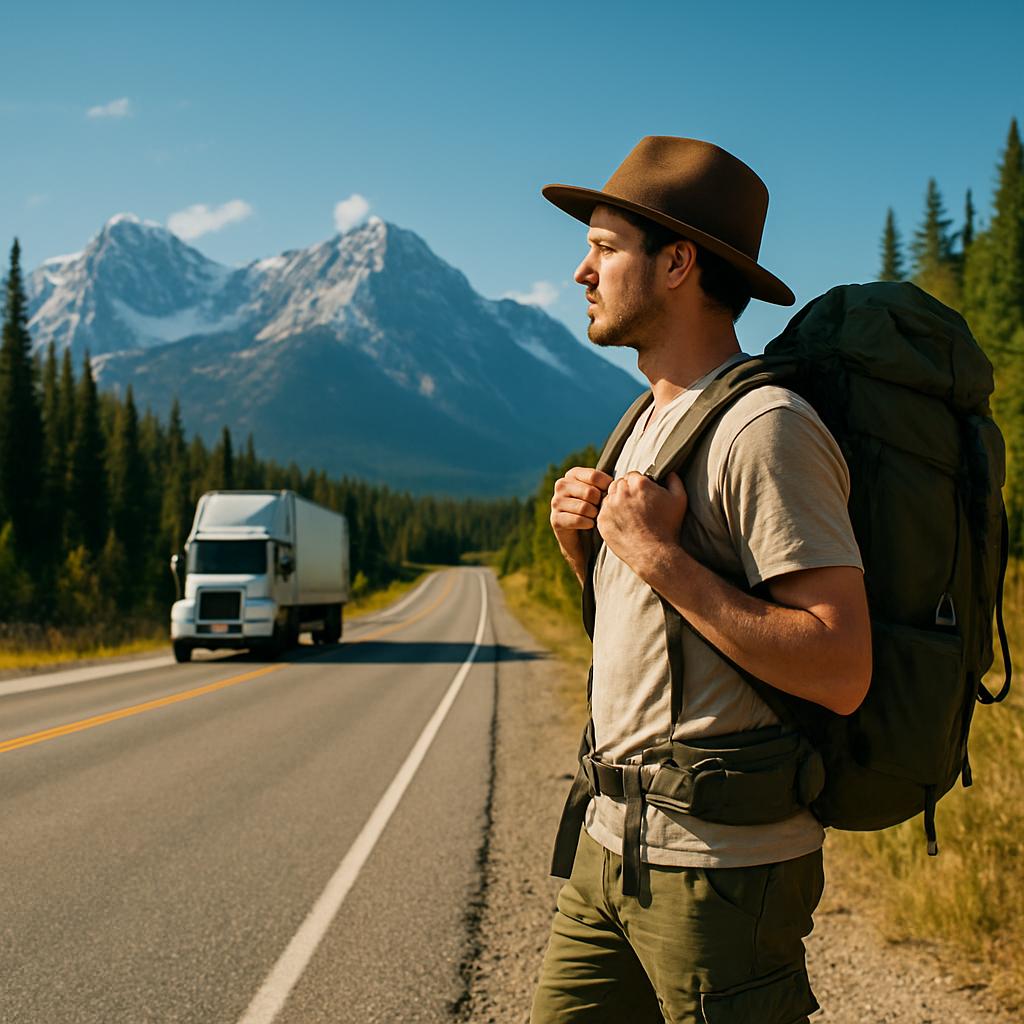
- Ridesharing and hitchhiking: Apps like Poparide connect drivers and passengers for shared rides. In some regions, traditional hitchhiking is relatively common and generally safe if done cautiously.
- Public transit in cities: Urban centers have efficient metro, bus, and light rail systems, perfect for getting around on a budget.
Planning a combination of these options allows backpackers to tailor transport according to itinerary, experience, and cost preferences.
How to find affordable and healthy food while backpacking in Canada?
Eating well on the road helps keep energy levels high and travel experiences rewarding. Canada offers various options to find tasty, budget-friendly meals during backpacking adventures:
- Grocery stores: Shopping at chains like Loblaws, Sobeys, or local markets lets you prepare your own meals. Focus on fresh produce, grains, and portable snacks like nuts or granola bars.
- Convenience stores: Available almost everywhere, stores such as 7-Eleven and Shoppers Drug Mart provide grab-and-go snacks and basic foods, though options may be limited and pricier.
- Food trucks and street vendors: Larger cities boast food trucks with affordable and diverse menus, perfect for quick lunches.
- Fast casual restaurants: Chains like Freshii and Tim Hortons offer reasonable prices and healthier fare compared to traditional fast food.
- Community kitchens and hostels: Some hostels provide shared kitchens where you can cook. Some communities have free or low-cost meal programs, especially welcoming to travelers.
- Local eateries: Trying regional specialties at small diners or cafés can be affordable and an immersive cultural experience.
Carrying a compact stove or camping gear can expand meal options, especially for nature excursions. Being adaptable to available ingredients and venues enables backpackers to maintain a nutritious diet without overspending.
What transportation passes and discount cards help backpackers in Canada?
Travel passes and discount cards can save money and simplify travel, especially for those hopping between cities or within regions. Consider these popular options:
- VIA Rail Rail Pass: Allows flexible travel across Canada’s extensive rail network at a reduced price.
- Greyhound Canada passes: Designed for multiple rides within a set period, great for bus travel on a budget.
- Public transit cards: Cities like Toronto (PRESTO Card), Vancouver (Compass Card), and Montreal (OPUS Card) offer reloadable smart cards that reduce fare costs and expedite boarding.
- Student and youth discounts: Many transport providers offer discounts for travelers under 25 or students, beneficial for younger backpackers.
- Tourist and city passes: Some cities bundle transit with attractions and dining discounts, making them worthwhile for short stays.
Checking eligibility and conditions early helps backpackers maximize savings and streamline travel logistics.
What food safety tips should backpackers follow in Canada?
Eating safely while backpacking ensures your trip isn’t disrupted by illness. Here are key food safety tips tailored to varied travel styles:
- Store perishables properly: Use insulated coolers or backpacks with thermal compartments to keep items fresh.
- Wash hands frequently: Carry hand sanitizer and soap for use before eating or preparing food.
- Drink safe water: Tap water is generally safe in Canada’s cities, but in remote areas, opt for bottled water or filtration systems.
- Cook foods thoroughly: When camping, ensure meats and other items are fully cooked to avoid foodborne illnesses.
- Check expiry dates: Always verify the freshness of packaged foods.
- Eat at reputable vendors: Stick to known or recommended establishments for street food and restaurants.
Being cautious and prepared helps you enjoy Canadian cuisine without worry.
How to pack food and transport gear efficiently for backpacking in Canada?
Packing smart minimizes weight and maximizes convenience on the trail or road. Focus on essentials that are versatile and durable:
- Lightweight cooking gear: Compact stoves, foldable cookware, and reusable utensils save space.
- Nutrient-dense foods: Trail mix, dehydrated meals, jerky, instant oatmeal, and nut butters are good staples.
- Water bottles and filtration: Bring reusable bottles and portable filters for refilling anywhere.
- Storage containers: Zip-lock bags, resealable pouches, and small containers keep food fresh and organized.
- Transport items: Depending on your mode, carry maps or apps for navigation, a travel wallet, and portable chargers.
Balancing comfort and practicality is key to having a great backpacking food and transport experience.
Frequently Asked Questions
What is the cheapest way to travel between Canadian cities for backpackers?
Using intercity buses like Greyhound or Megabus is often the most affordable option. Booking in advance and using discount passes can further lower costs.
Can I find vegetarian and vegan food options easily when backpacking in Canada?
Yes, many cities and towns cater to vegetarian and vegan diets with grocery stores, restaurants, and even food trucks offering plant-based meals.
Is it safe to hitchhike in Canada as a backpacker?
Hitchhiking is common and usually safe in many parts of Canada, especially rural areas, but always stay alert, travel with a companion if possible, and trust your instincts.
Are there good places to cook meals while backpacking in Canadian hostels?
Many hostels across Canada provide communal kitchens for guests, allowing backpackers to prepare their own meals and save money. It’s helpful to check hostel amenities before booking.