Backpacking the Jasper National Park
Posted on October 25, 2026 • 5 minutes • 960 words
Table of contents
- What are the best backpacking trails in Jasper National Park?
- How to prepare for a backpacking trip in Jasper National Park?
- What wildlife can backpackers expect to see in Jasper National Park?
- Where are the best camping spots for backpackers in Jasper National Park?
- How to stay safe when backpacking in Jasper National Park?
- Frequently Asked Questions
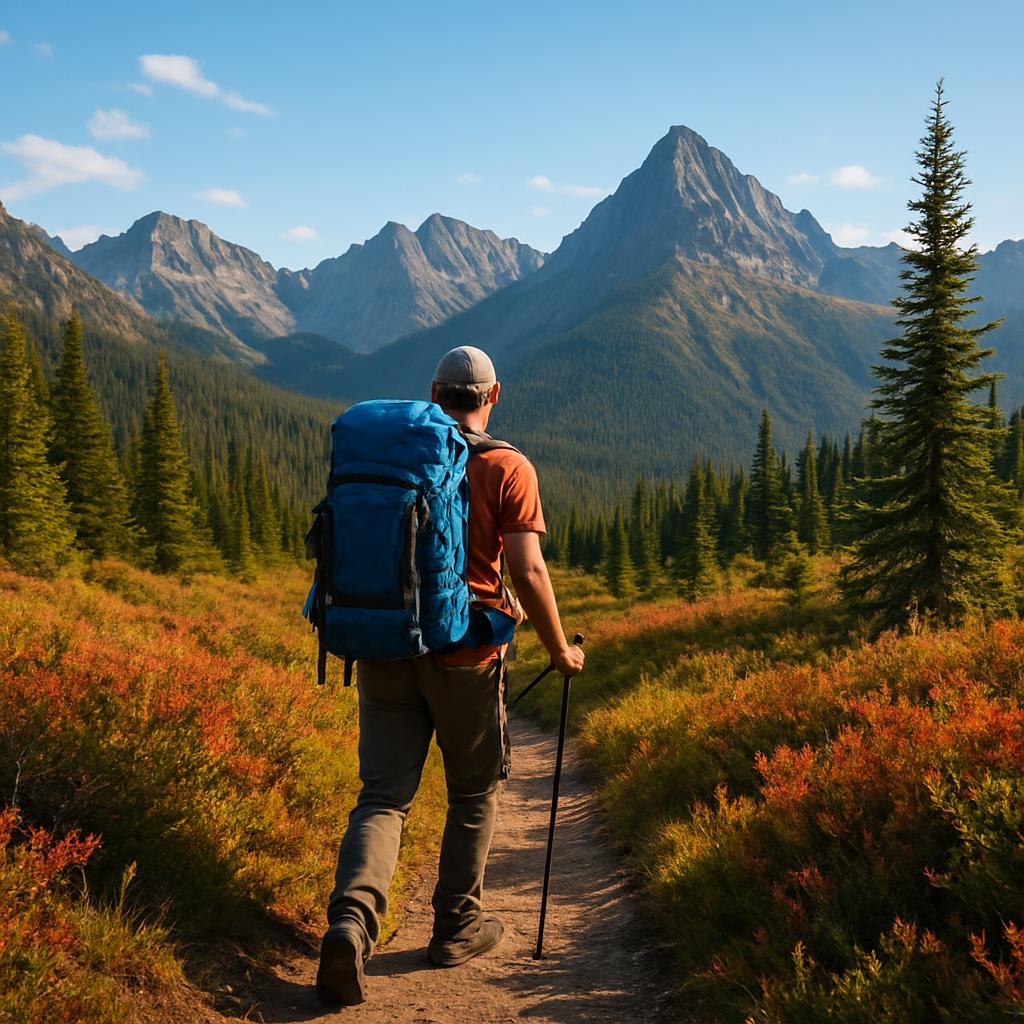
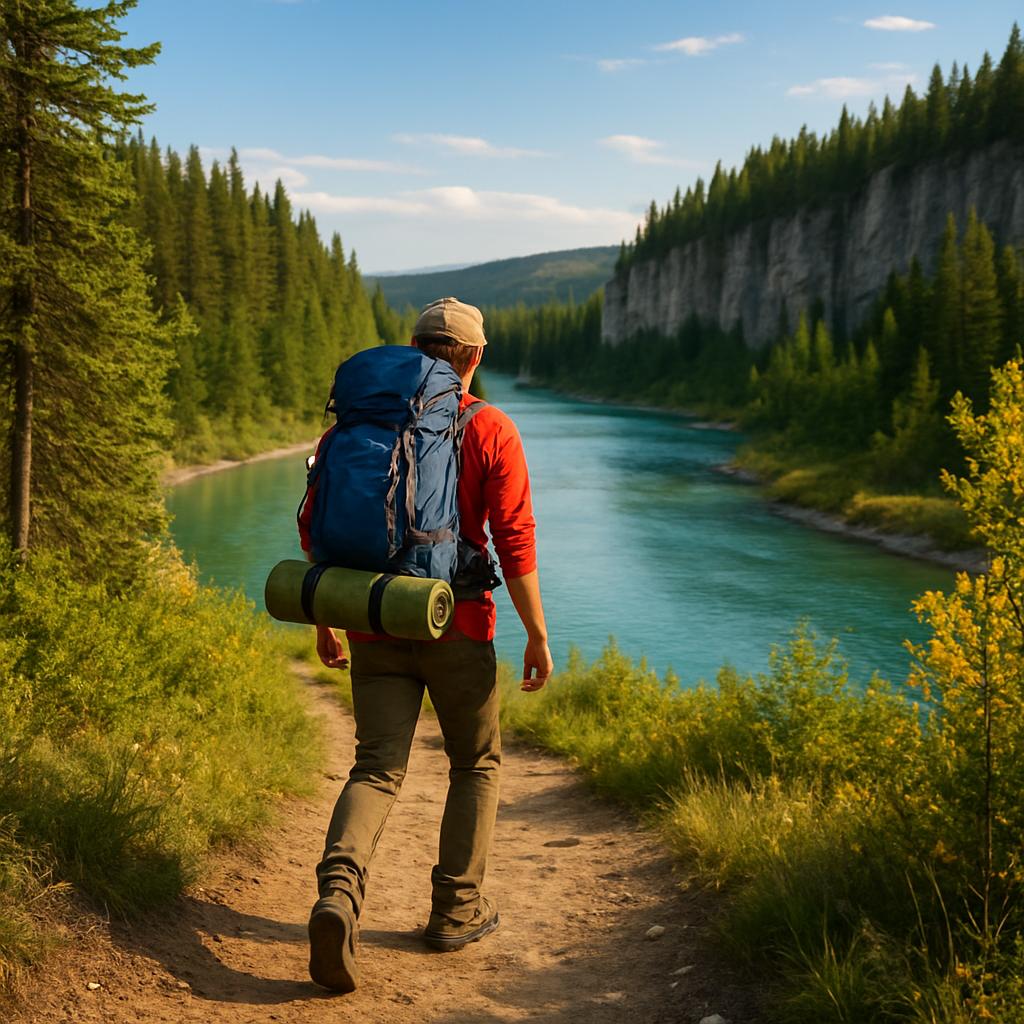
Jasper National Park is a captivating wilderness area in Alberta, Canada, known for its vast mountainous terrain, crystal-clear lakes, and diverse wildlife. For backpackers, it offers an unforgettable outdoor experience filled with challenging trails, serene campsites, and stunning natural vistas. Whether you’re an experienced trekker or a nature enthusiast seeking adventure, backpacking through Jasper National Park provides a unique way to immerse yourself in the raw beauty of the Canadian Rockies.
What are the best backpacking trails in Jasper National Park?
Jasper National Park features numerous trails that cater to a range of skill levels, distances, and scenery. Some of the most popular backpacking routes include:
- The Skyline Trail: Famous for its panoramic mountain views and wildflower meadows, this trail stretches about 44 kilometers over 3-4 days. It passes through alpine terrain and is often considered the crown jewel of Jasper backpacking.
- The Bald Hills: A moderate 17-kilometer loop that offers breathtaking views of Maligne Lake and the surrounding peaks. Perfect for a one or two-day backpacking trip.
- Wilcox Pass Trail: About 8 kilometers one way, this trail is steep but rewards hikers with spectacular vistas of the Columbia Icefield and Athabasca Glacier.
- Edith Cavell Meadows: This trail combines a moderate hike with stunning glacier views and wildflowers, covering roughly 13 kilometers round trip.
Each trail provides unique encounters with the park’s diverse flora and fauna, as well as peaceful moments surrounded by nature.
How to prepare for a backpacking trip in Jasper National Park?
Preparation is key when backpacking in any wilderness area, and Jasper National Park requires careful planning due to its remote and rugged environment.
- Pack appropriate gear: Include layered clothing for varying weather, waterproof jackets, sturdy hiking boots, a reliable tent, a sleeping bag rated for cool temperatures, and trekking poles for stability.
- Food and water: Carry lightweight, energy-dense foods such as nuts, dehydrated meals, and energy bars. Water sources are plentiful, but always treat or filter water from lakes and streams due to potential contaminants.
- Maps and navigation: While some trails are well-marked, a detailed topographic map of Jasper National Park and a compass or GPS device are essential for navigation.
- Bear safety: Jasper is home to bears, so carry bear spray and learn about bear encounter safety. Store food in bear-proof containers or use designated food caches at campsites.
- Permits and reservations: Check with Parks Canada for required wilderness permits, backcountry camping permits, and campsite reservations along your route.
Preparing thoughtfully will help prevent common issues such as dehydration, hypothermia, or getting lost.
What wildlife can backpackers expect to see in Jasper National Park?
Jasper National Park boasts rich biodiversity, offering backpackers the chance to observe a variety of animals in their natural habitats.
- Mammals: Black bears, grizzly bears, elk, moose, mountain goats, bighorn sheep, wolves, and deer are commonly seen. Early morning or late evening hikes increase the chances of wildlife sightings.
- Birds: Watch for bald eagles, owls, peregrine falcons, and numerous smaller bird species inhabiting the park.
- Small animals: Marmots, pikas, and squirrels inhabit alpine meadows and rocky areas.
Hiking quietly and keeping a respectful distance enhances the interaction while minimizing stress for the animals. Carrying a sturdy pair of binoculars can make spotting wildlife easier.
Where are the best camping spots for backpackers in Jasper National Park?
Selecting the right campsite contributes tremendously to the backpacking experience, combining comfort with the best views and proximity to water.
- Skyline Trail Campsites: Several designated backcountry campsites along this trail include Mount Kerkeslin, Signal Mountain, and Maligne Pass sites. These offer excellent facilities like metal food caches and outhouses.
- Robinson Lake: A good option near the Skyline Trail, famous for its peaceful lake setting.
- Bald Hills Campgrounds: Located near the trail’s viewpoint areas with amenities suitable for overnight stays.
- Edith Cavell Campground: Nearby to the trailhead, great for acclimatizing before longer hikes.
Remember to follow Leave No Trace principles to protect the park’s environment and ensure campsites remain pristine for future visitors.
How to stay safe when backpacking in Jasper National Park?
Safety is a top priority when venturing into backcountry areas like Jasper, where weather can change rapidly and wildlife encounters are possible.
- Check weather forecasts: Mountain weather can be unpredictable; always be prepared for sudden rain, wind, or temperature drops.
- Tell someone your plan: Leave your itinerary with a friend or park ranger so help can be sent if needed.
- Carry a first aid kit: Include supplies for blisters, cuts, insect bites, and any personal medications.
- Travel in groups: Hike with companions to reduce the risk of accidents or wildlife incidents.
- Know emergency contacts: Carry a fully charged phone, a satellite messenger, or a personal locator beacon if possible.
Following safety tips will help ensure your backpacking trip is memorable for all the right reasons.
Frequently Asked Questions
What is the best time of year for backpacking in Jasper National Park?
The ideal backpacking season typically runs from late June to early September when trails are free of snow and weather is milder. July and August offer the warmest temperatures, but can be busier with other hikers.
Do I need a permit to backpack in Jasper National Park?
Yes, Parks Canada requires backcountry camping permits for overnight stays in the park’s wilderness areas. These permits can be reserved online in advance or obtained at visitor centres, depending on availability.
Are there bear dangers while backpacking in Jasper National Park?
Yes, both black bears and grizzly bears inhabit Jasper. Carrying bear spray, making noise to avoid surprising bears, and properly storing food are important safety practices.
Can I find clean water sources along backpacking trails in Jasper?
Many trails pass near lakes and streams, but natural water should always be filtered or treated before drinking to remove possible contaminants like bacteria or parasites.