Backpackers Guide to Canadas UNESCO World Heritage Sites
Posted on November 1, 2026 • 5 minutes • 907 words
Table of contents
- What are the best UNESCO World Heritage Sites in Canada for backpackers?
- How to plan backpacking trips to Canada’s UNESCO World Heritage Sites on a budget?
- What are the top hiking and camping experiences at Canadian UNESCO World Heritage Sites?
- How to explore indigenous heritage at Canada’s UNESCO World Heritage Sites?
- What are the best times to visit UNESCO World Heritage Sites in Canada for backpackers?
- Frequently Asked Questions
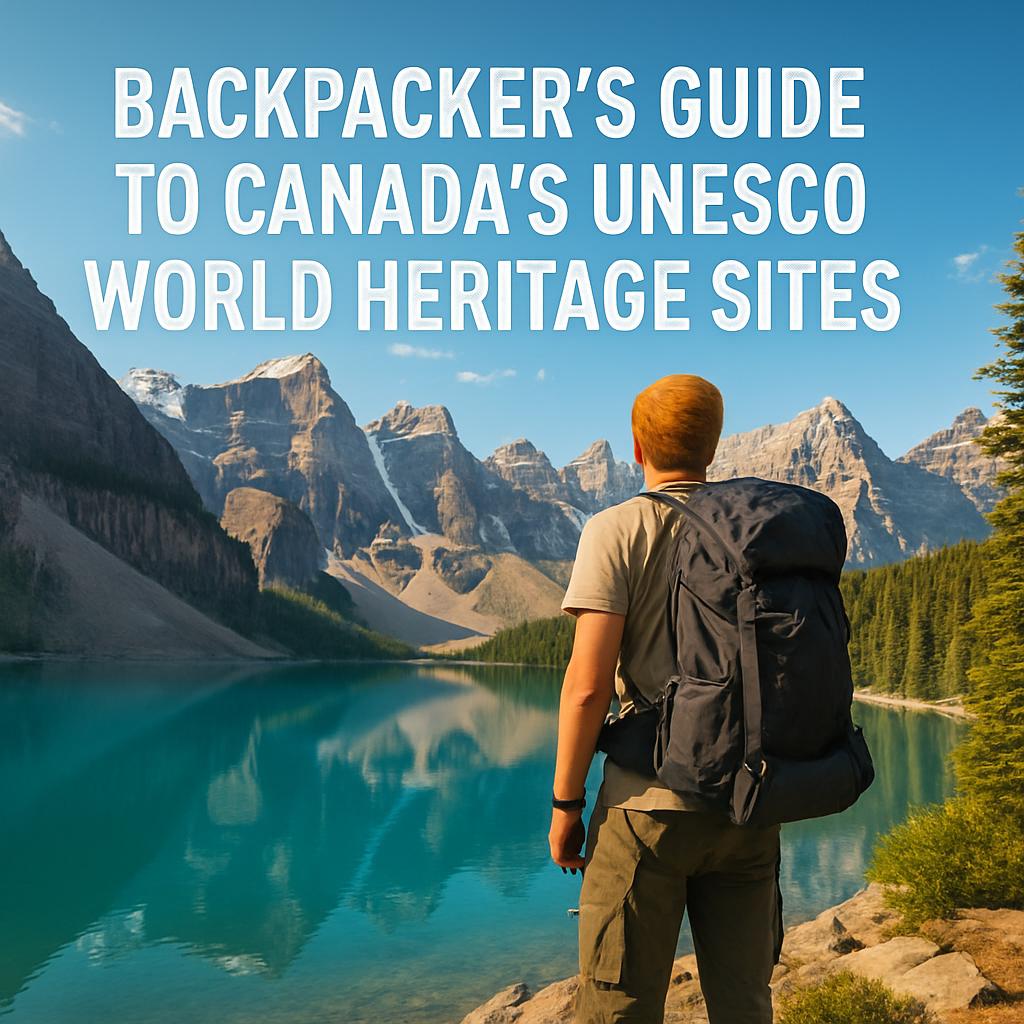
Exploring Canada’s vast wilderness and vibrant cities is a dream for many backpackers. One of the best ways to experience the country’s rich natural beauty and cultural history is through its UNESCO World Heritage Sites. These locations represent Canada’s unique contributions to world heritage, showcasing everything from ancient rock art to massive national parks. For backpackers eager to combine adventure and education without breaking the bank, visiting these sites offers unforgettable experiences surrounded by stunning landscapes and indigenous heritage.
What are the best UNESCO World Heritage Sites in Canada for backpackers?
Canada boasts 20 UNESCO World Heritage Sites, ranging from historic cities to natural wonders. For backpackers, some sites are particularly suited for hiking, camping, and budget travel. These top sites include:
- Gros Morne National Park, Newfoundland – Offers dramatic fjords and mountains with multiple backpacking trails.
- Nahanni National Park Reserve, Northwest Territories – Known for the South Nahanni River and Virginia Falls, ideal for adventurous canoeing and wilderness camping.
- Wood Buffalo National Park, Alberta/Northwest Territories – The largest national park in Canada, famous for its wild bison and boreal forest.
- Kluane/Wrangell–St. Elias/Glacier Bay/Tatshenshini-Alsek, Yukon/British Columbia/Alaska – Features colossal glaciers and rugged peaks perfect for multi-day trekking.
- L’Anse aux Meadows National Historic Site, Newfoundland – An accessible site with Viking archaeological remains, offering cultural insights without needing strenuous physical activity.
These places are manageable for backpackers who appreciate both nature and heritage, with camping sites and trails that provide immersive experiences.
How to plan backpacking trips to Canada’s UNESCO World Heritage Sites on a budget?
Planning a backpacking trip to Canada’s UNESCO sites requires balancing costs with travel logistics. To keep expenses manageable:
- Use public transportation or ridesharing to reach gateway towns near parks.
- Choose campsites over hotels; many parks have affordable or free camping areas.
- Purchase a Parks Canada Discovery Pass if visiting multiple national parks.
- Bring your own food supplies rather than eating out frequently, especially in remote areas.
- Visit during shoulder seasons (early spring or late fall) for fewer crowds and sometimes lower costs.
Use local visitor centers to gather up-to-date information on trail conditions, permits, and free guided walks or talks—these add value without extra cost.
What are the top hiking and camping experiences at Canadian UNESCO World Heritage Sites?
Backpackers favor sites with trails suitable for various skill levels, spectacular views, and reliable camping options. Here are some top picks:
- Jasper National Park (part of the Canadian Rocky Mountain Parks World Heritage Site) – Trail networks like the Skyline Trail offer multi-day backpacking with mountain hut or backcountry camping options.
- Gros Morne National Park – Gros Morne Mountain Trail provides a challenging climb, while the Green Gardens Trail leads to seaside cliffs with camping nearby.
- Nahanni National Park Reserve – Multi-day canoe trips paired with backcountry campsites combine paddling and hiking adventures.
- Kluane National Park and Reserve – Flightseeing tours paired with backcountry tenting near glaciers and mountain passes.
These sites provide wilderness immersion, opportunities for wildlife sightings, and a chance to connect with nature far from city life.
How to explore indigenous heritage at Canada’s UNESCO World Heritage Sites?
Many UNESCO sites in Canada highlight Indigenous culture and history, making them important for backpackers interested in the country’s original peoples:
- Writing-on-Stone Provincial Park, Alberta – Known for its ancient petroglyphs and sacred Blackfoot sites.
- L’Anse aux Meadows, Newfoundland – Viking ruins with interpretive centers touching on Indigenous and Norse encounters.
- Nahanni National Park Reserve – Area tied to Dene cultural traditions.
Backpackers can engage with local Indigenous guides or visit cultural centers to understand traditional land relationships. Respectful interaction, following leave-no-trace principles, and supporting Indigenous-run businesses enriches the travel experience.
What are the best times to visit UNESCO World Heritage Sites in Canada for backpackers?
The ideal time to visit varies by region:
- Rocky Mountain parks (Jasper and Kootenay) – Late June to early September offer warm weather and accessible trails.
- Nahanni and Wood Buffalo National Parks – Short summer seasons (July–August) provide better river conditions for canoeing.
- Gros Morne National Park – June to September are popular but early fall offers fewer crowds.
- Northern sites (Kluane and Nahanni) – Best in mid-summer for long daylight hours.
Winter travel is possible at some sites with snowshoeing or cross-country skiing options but requires added preparation.
Frequently Asked Questions
What are the easiest UNESCO World Heritage Sites in Canada for backpackers?
Sites like L’Anse aux Meadows and Writing-on-Stone Provincial Park are easier to access and explore for beginners. They feature shorter trails and visitor centers, making them suitable for casual hikes and cultural learning without intense trekking.
Can backpackers camp at UNESCO World Heritage Sites in Canada?
Yes, many sites have designated campgrounds or backcountry camping areas that backpackers can use. Parks Canada provides permits for backcountry camping in most national parks, often at low or no cost.
Are there guided tours available at Canada’s UNESCO World Heritage Sites?
Some sites offer ranger-led walks and cultural tours, especially in summer. Indigenous-led tours are available at certain locations like Writing-on-Stone and L’Anse aux Meadows. Booking in advance is recommended during peak seasons.
What wildlife can backpackers expect to see at UNESCO World Heritage Sites in Canada?
Wildlife varies by region but often includes moose, bears, wolves, bison, mountain goats, and various bird species. In coastal parks like Gros Morne, marine animals such as whales and seals are also viewable from hiking trails or boat tours. Always keep a safe distance and follow park regulations.