A Guide to Experiencing Canadas Iconic Rocky Mountains
Posted on November 7, 2026 • 4 minutes • 775 words
Table of contents
- What are the best hiking trails in Canada’s Rocky Mountains?
- How to plan a scenic road trip through Canada’s Rocky Mountains?
- Where are the top spots for wildlife viewing in the Canadian Rockies?
- What are the best seasons to visit Canada’s Rocky Mountains?
- How to prepare for a safe and comfortable trip to the Canadian Rockies?
- Frequently Asked Questions
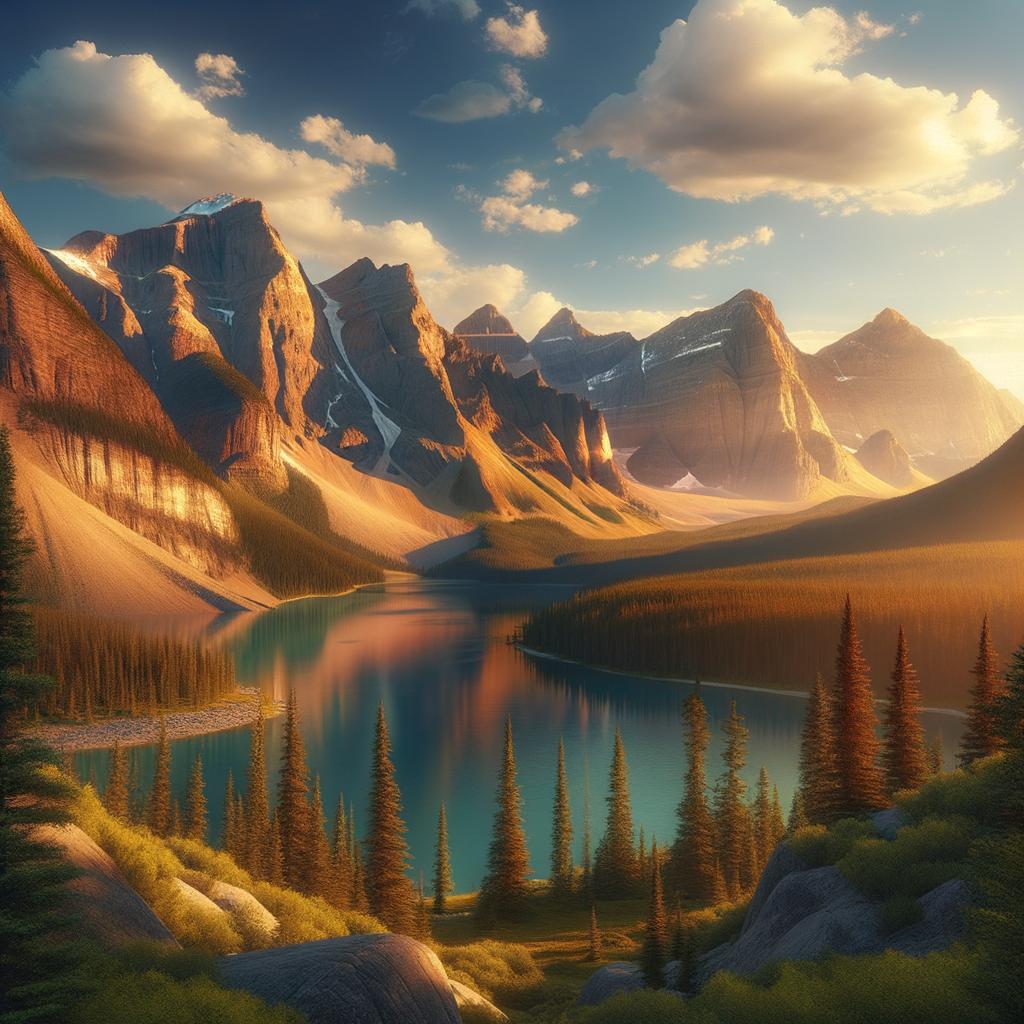
Canada’s Rocky Mountains offer an awe-inspiring escape into nature where rugged peaks meet crystal-clear lakes and vast wilderness. Whether you’re craving thrilling outdoor adventures, scenic drives, or peaceful moments surrounded by natural beauty, exploring the Rockies is an unforgettable experience. This guide will help you navigate the best ways to enjoy Canada’s iconic Rocky Mountains, from top hiking trails to ideal road trips and practical travel tips.
What are the best hiking trails in Canada’s Rocky Mountains?
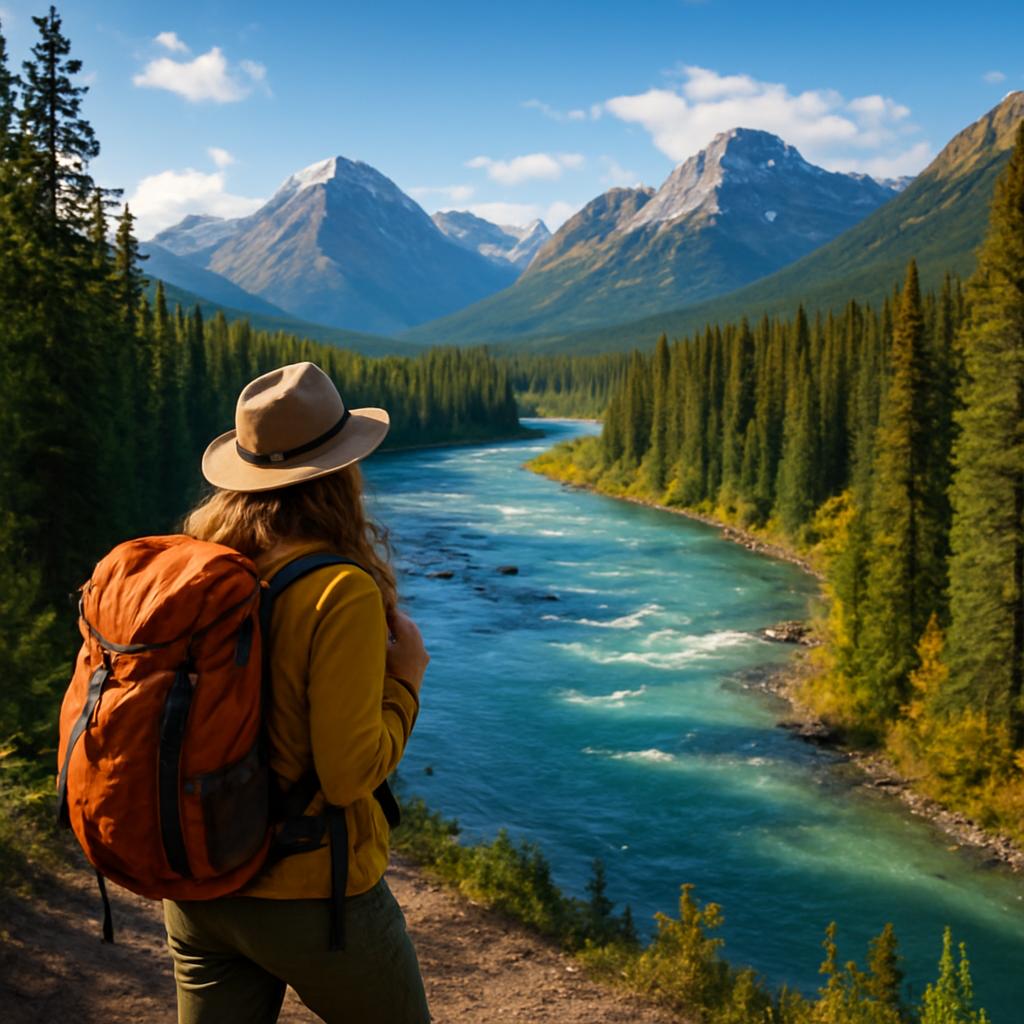
The Canadian Rockies boast some of the most stunning and accessible hiking trails you can find in North America. Hikes range from easy walks to challenging multi-day adventures.
Popular hiking options include:
- Johnston Canyon: A family-friendly hike featuring waterfalls and catwalks.
- Plain of Six Glaciers: Moderate trail near Lake Louise with stunning glacier views.
- Sulphur Skyline Trail (Jasper): Offers panoramic vistas after a steady climb.
- Sentinel Pass (near Moraine Lake): Iconic for alpine lakes and towering peaks.
- Icefields Parkway trails: Several short treks alongside glacier-fed rivers and viewpoints.
Trailhead tips:
- Start early to avoid crowds, especially in summer.
- Pack layers as weather can change quickly.
- Carry bear spray and make noise to stay safe.
How to plan a scenic road trip through Canada’s Rocky Mountains?
Driving through the Rockies is a spectacular way to explore a vast area and visit multiple parks and towns.
Key routes and stops:
- Icefields Parkway (Highway 93): Runs 232 km between Banff and Jasper National Parks with breathtaking stops like Peyto Lake and the Athabasca Glacier.
- Bow Valley Parkway (Highway 1A): Offers a quieter alternative to the Trans-Canada Highway with wildlife viewing opportunities.
- Kananaskis Country: Less crowded with picturesque lakes and hiking.
Road trip suggestions:
- Allow at least 3 days to drive the Icefields Parkway and explore major sites.
- Stay overnight in Banff, Jasper, Lake Louise, or smaller towns like Field or Radium Hot Springs.
- Keep a camera ready for wildlife sightings including elk, bears, and mountain goats.
- Visit during late spring to early fall for the best road and weather conditions.
Where are the top spots for wildlife viewing in the Canadian Rockies?
The diverse habitats support a wide range of wildlife, making the Rockies a great destination for animal enthusiasts.
Prime locations include:
- Banff National Park: Look for elk in Bow Valley and wolves in the backcountry.
- Jasper National Park: Home to bears, moose, caribou, and mountain sheep.
- Kootenay National Park: Known for bighorn sheep and bears.
- Yoho National Park: Often hosts marmots and deer near popular trails.
Tips to spot wildlife:
- Dawn and dusk are peak animal activity times.
- Use binoculars or zoom lenses for a close look without disturbing animals.
- Follow park rules to maintain a safe distance.
- Avoid loud noises and keep pets leashed.
What are the best seasons to visit Canada’s Rocky Mountains?
Each season offers distinct experiences and the Rockies can look dramatically different from one time of year to the next.
Season highlights:
- Summer (June to August): Warm temperatures ideal for hiking, camping, and lake activities.
- Fall (September to October): Cooler weather with fewer tourists and stunning autumn colors.
- Winter (December to February): World-class skiing, snowshoeing, and ice climbing opportunities.
- Spring (April to May): Wildlife awakening and fewer crowds; some trails may still have snow.
When planning your trip, check current park conditions and consider what type of activities you want to prioritize.
How to prepare for a safe and comfortable trip to the Canadian Rockies?
Proper preparation can make your visit more enjoyable and stress-free.
Packing essentials:
- Layered clothing and waterproof gear for variable weather.
- Good hiking boots and day packs.
- Bear spray and knowledge of wildlife safety.
- Map apps and offline navigation tools since cell service can be spotty.
Travel advice:
- Book accommodations well in advance, especially in summer.
- Be mindful of altitude, which can affect breathing and energy.
- Carry plenty of water and snacks during outdoor activities.
- Respect local Indigenous cultures and environmental guidelines.
Frequently Asked Questions
What are the must-see landmarks in Canada’s Rocky Mountains?
Top landmarks include Lake Louise, Moraine Lake, the Columbia Icefield, Peyto Lake, and natural wonders like Takakkaw Falls in Yoho National Park.
Can you drive through the entire Canadian Rockies?
You can drive key routes like the Icefields Parkway and Bow Valley Parkway that cover major scenic areas, but full exploration requires stops and some hiking.
What wildlife is commonly seen in the Rockies?
Elk, deer, bears, mountain goats, bighorn sheep, and occasionally wolves and moose are frequently spotted throughout the region.
Is it necessary to book tours for hiking and sightseeing?
Not always. Many trails and viewpoints are accessible independently, but guided tours can enhance safety and knowledge, especially for glacier hikes and wildlife viewing.