A Guide to Backpacking Yoho's Lake O'Hara
Posted on November 13, 2026 • 5 minutes • 867 words
Table of contents
- How to plan a backpacking trip to Lake O’Hara in Yoho National Park
- What are the best backpacking trails to explore around Lake O’Hara?
- What gear is essential for backpacking around Lake O’Hara?
- How to respect and protect the environment while backpacking in Yoho’s Lake O’Hara?
- What are the best times and tips for photographing Lake O’Hara during a backpacking trip?
- Frequently Asked Questions
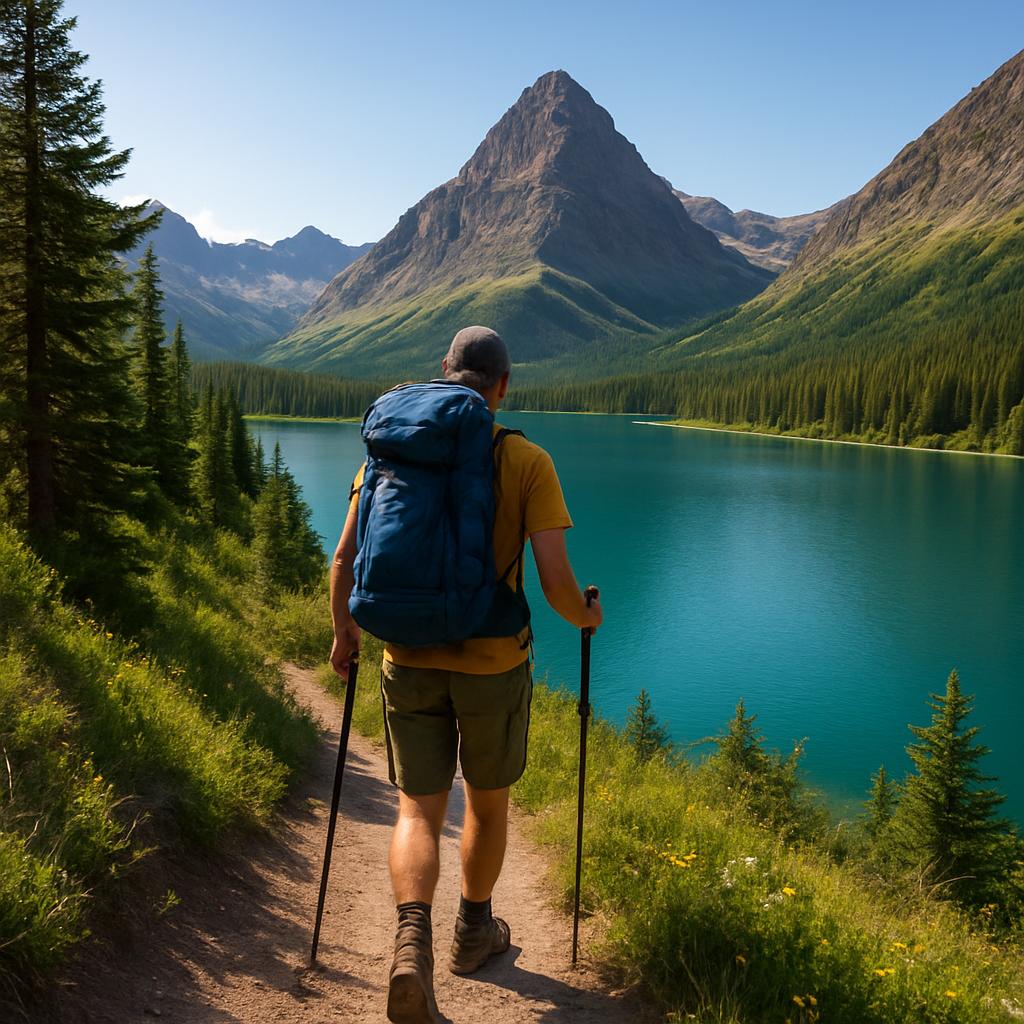
Backpacking through Yoho National Park’s Lake O’Hara is a dream adventure for Canadian outdoor enthusiasts. This pristine alpine area tucked in the Canadian Rockies offers some of the most spectacular hiking trails, serene lakes, and breathtaking mountain views available in southwestern British Columbia. With its limited access policy and stunning natural beauty, planning a trip to Lake O’Hara requires some preparation. This guide will walk you through everything you need to know to backpack and fully experience Lake O’Hara’s wonders.
How to plan a backpacking trip to Lake O’Hara in Yoho National Park
Lake O’Hara’s popularity and protected status mean that access is strictly controlled to preserve the fragile environment. You need to plan your trip carefully to secure transportation, accommodations, and hiking routes.
- Reserve access early: Access to the Lake O’Hara area by shuttle bus or hike is limited. Reservations for the shuttle often open months in advance on Parks Canada’s website.
- Choose your season: The summer months from July to September provide the best weather and trail conditions. Snow can linger on high trails into early summer.
- Permit requirements: If camping overnight, permits are required for backcountry sites.
- Fitness preparation: Trails at Lake O’Hara include some steep and strenuous sections. Prepare with conditioning hikes beforehand.
- Pack smart: Weather can change rapidly; bring layered clothing, mosquito repellent, and plenty of water.
What are the best backpacking trails to explore around Lake O’Hara?
Lake O’Hara offers a network of hiking trails for all levels of backpackers, ranging from easy lakeside strolls to challenging alpine treks.
- Lake O’Hara Lakeshore Trail: Easy 5 km loop around the lake, perfect for acclimatizing and spotting wildlife.
- Opabin Plateau Trail: Moderate 7 km loop known for stunning vistas over Lake O’Hara and alpine meadows.
- Yukness Ledges Trail: More challenging 8 km round trip that gains elevation and offers spectacular views of towering peaks.
- Lake Oesa Trail: Intermediate 7.4 km ascent to Lake Oesa, surrounded by glaciers and wildflowers.
- Elizabeth Parker Hut Route: For experienced backpackers, an overnight hike to this alpine hut offers seclusion and a base for more ambitious routes.
Choose trails that match your experience and available time. Many hikers combine several routes over multiple days.
What gear is essential for backpacking around Lake O’Hara?
Proper gear can make or break your backpacking experience at Lake O’Hara, where weather and terrain change rapidly.
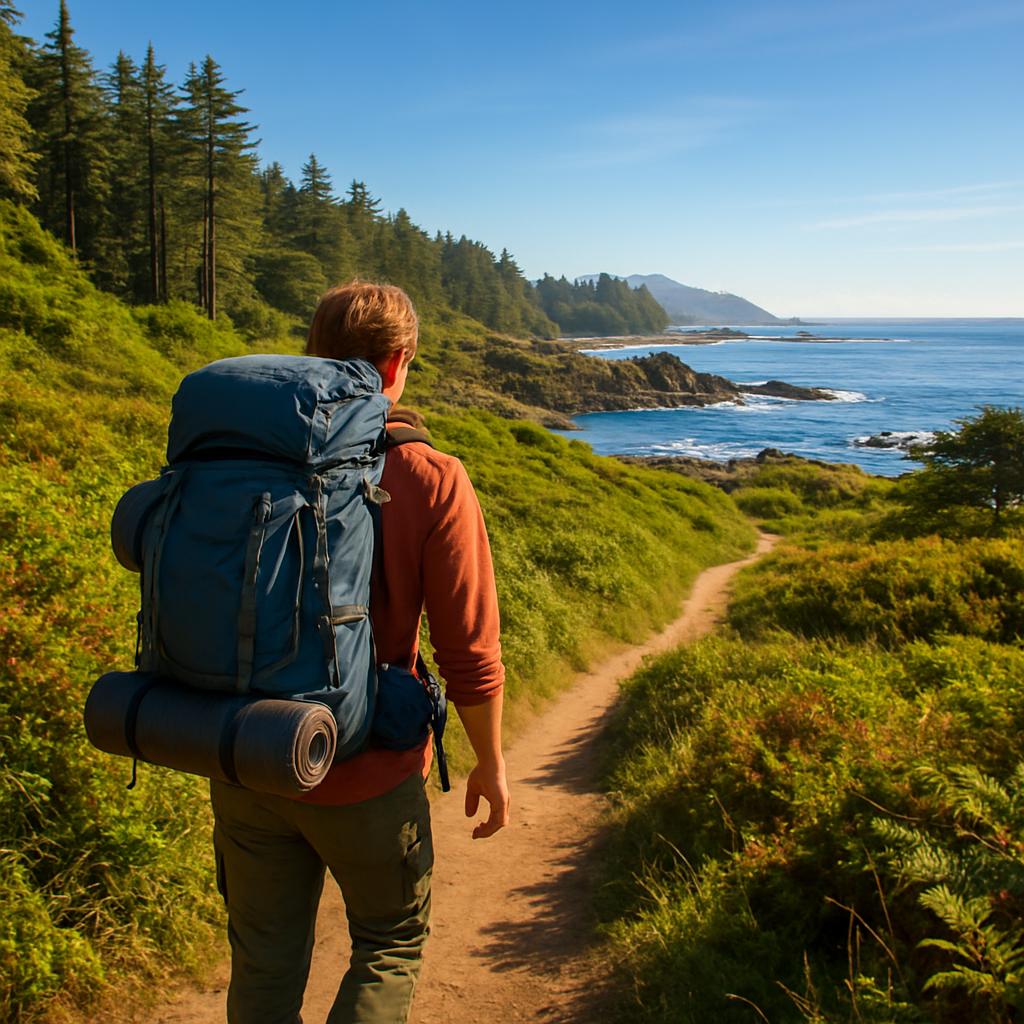
- Backpack: 40-60L capacity is ideal for multi-day hikes.
- Clothing: Moisture-wicking base layers, waterproof jacket, warm insulating layers, and sturdy hiking boots.
- Camping gear: Lightweight tent, sleeping bag rated for 0°C or lower, sleeping pad.
- Hydration and nutrition: Water bottle or filter system, high-calorie trail snacks, portable stove.
- Navigation and safety: Map of Lake O’Hara trails, compass or GPS, first aid kit, bear spray.
- Miscellaneous: Headlamp, insect repellent, sunscreen, camera for capturing stunning landscapes.
Packing efficiently will keep your load manageable while covering essential needs for comfort and security.
How to respect and protect the environment while backpacking in Yoho’s Lake O’Hara?
Lake O’Hara’s ecosystem is delicate, with vulnerable plant species and wildlife sensitive to human impact. Practicing Leave No Trace principles helps preserve this area for future visitors.
- Stay on designated trails and campsites to avoid trampling fragile alpine vegetation.
- Pack out all garbage and food waste; do not leave litter behind.
- Store food securely to avoid attracting bears and other wildlife.
- Keep noise levels down to maintain the natural tranquility.
- Avoid picking flowers or disturbing wildlife habitats.
- Use established fire rings if campfires are permitted and never leave fires unattended.
Respectful behaviour ultimately contributes to maintaining Lake O’Hara’s pristine condition and ensures other backpackers have a similar incredible experience.
What are the best times and tips for photographing Lake O’Hara during a backpacking trip?
The beauty of Lake O’Hara is a magnet for photographers seeking dramatic alpine scenery reflecting in crystal-clear waters.
- Golden hours: Early morning and late afternoon/early evening provide soft, warm light that enhances the mountains and lake colors.
- Weather conditions: Cloud formations and contrasts can add depth; mist and fog create ethereal moods.
- Composition tips: Use reflections in the lake, leading lines from trails, and natural framing with trees or rocks.
- Equipment: Bring a lightweight tripod, wide-angle and zoom lenses, extra batteries, and weatherproof camera protection.
Patience and exploring different vantage points can yield remarkable images of this Canadian wilderness gem.
Frequently Asked Questions
How do I get to Lake O’Hara for backpacking?
Access to Lake O’Hara is via a shuttle bus operated by Parks Canada, reserved months in advance, or by a 9 km hike from the parking lot at the Little Yoho Valley. Hiking in requires good fitness due to elevation gain.
Can I camp overnight at Lake O’Hara?
Overnight camping is allowed at designated backcountry campsites around Lake O’Hara with a valid backcountry permit from Parks Canada. Campfires are usually prohibited; carry a portable stove.
What wildlife might I see during my backpacking trip?
You could encounter marmots, pikas, mountain goats, and occasionally bears or mule deer. Maintaining a safe distance and following wildlife safety guidelines is crucial.
Is Lake O’Hara accessible year-round?
Lake O’Hara is typically accessible from late June to early October due to snowpack. Winter access is limited and challenging, recommended only for experienced winter backcountry travelers.