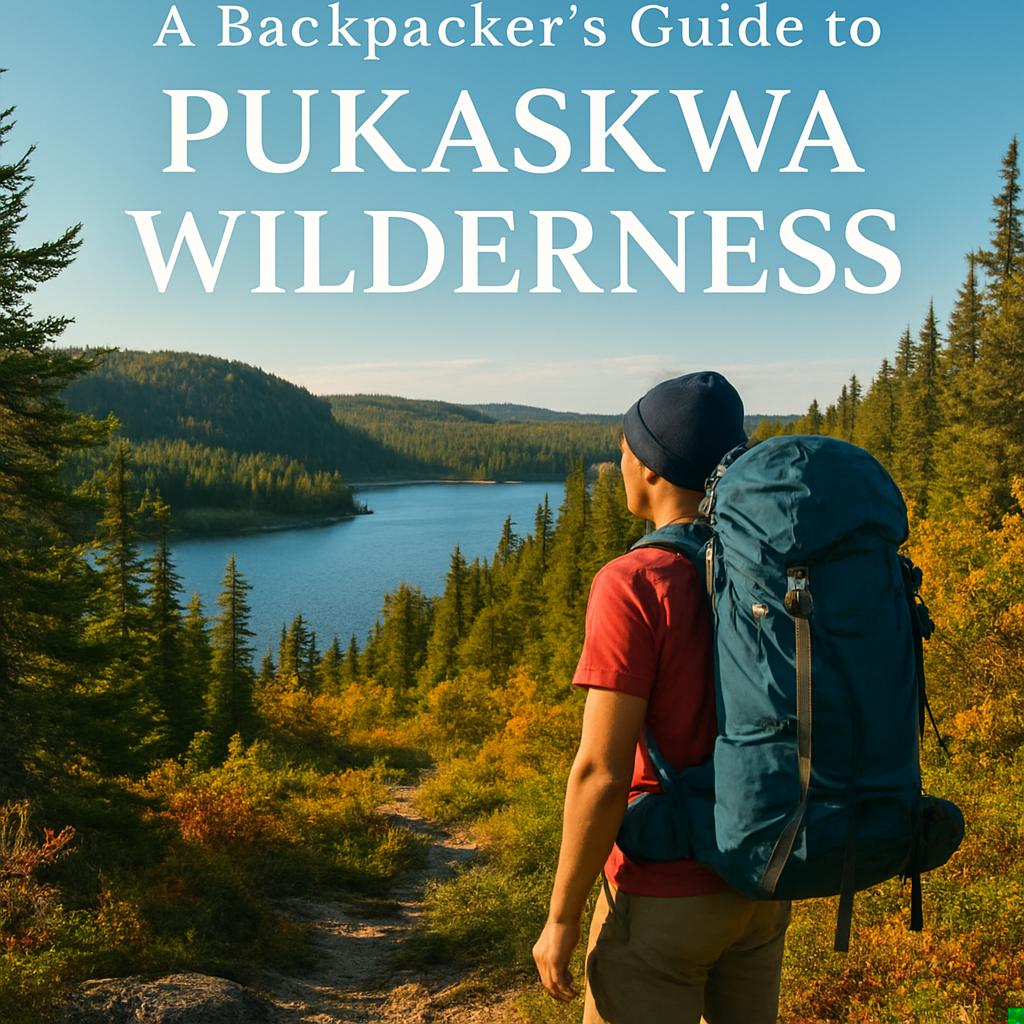
A Backpacker's Guide to Pukaskwa's Wilderness
Posted on November 11, 2026 • 4 minutes • 836 words
Table of contents
- What are the best backpacking trails in Pukaskwa’s wilderness?
- How to prepare for backpacking in Pukaskwa’s wilderness?
- What wildlife can backpackers expect to see in Pukaskwa National Park?
- What are the camping options for backpackers in Pukaskwa’s wilderness?
- How to navigate and stay safe while backpacking in Pukaskwa’s wilderness?
- Frequently Asked Questions
Exploring the vast stretches of Pukaskwa National Park offers backpackers an unforgettable outdoor adventure. Located along the rugged shores of Lake Superior in Ontario, this wilderness destination is known for its pristine forests, dramatic cliffs, and remote hiking trails that challenge and inspire. For those seeking solitude, wildlife encounters, and wild landscapes, Pukaskwa’s wilderness is an ideal pick. This guide highlights everything a backpacker needs to experience the park safely and enjoyably.
What are the best backpacking trails in Pukaskwa’s wilderness?
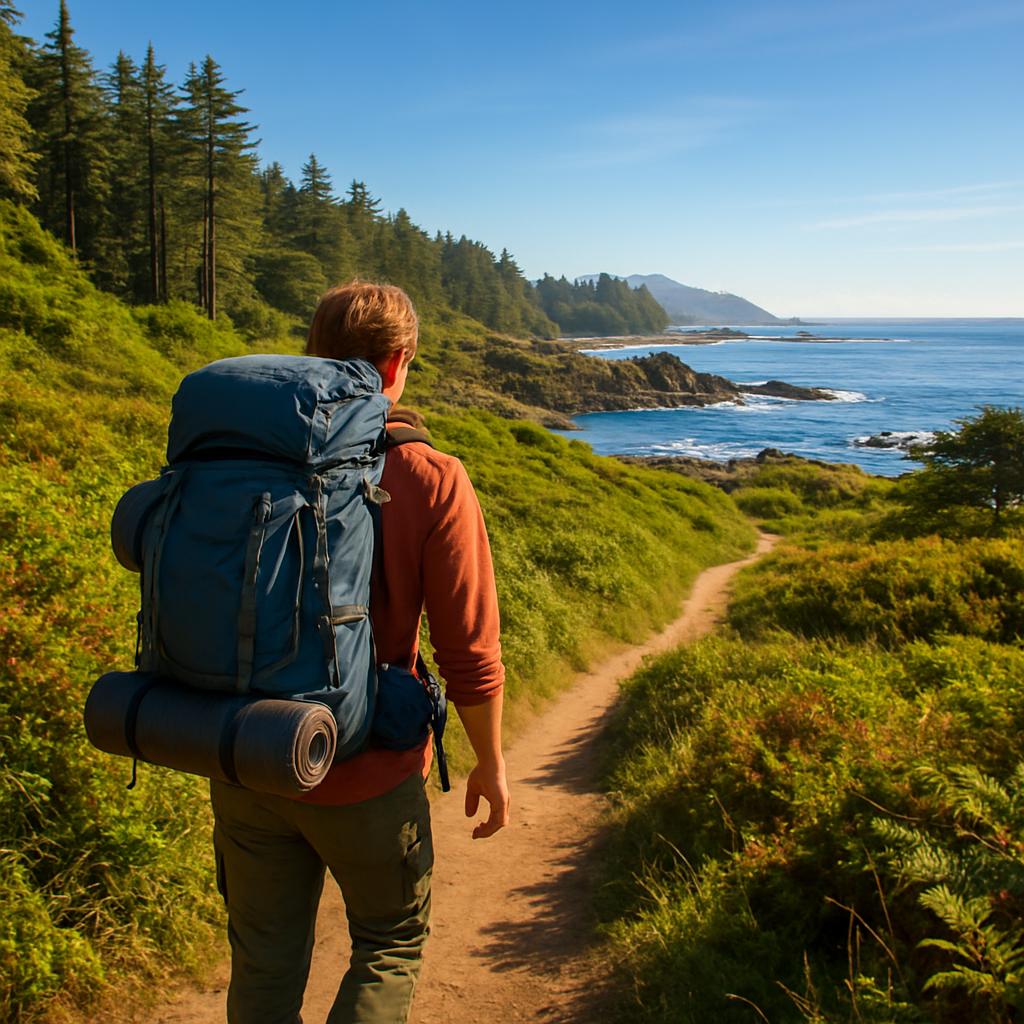
Pukaskwa features some of the most scenic and challenging backpacking routes in Ontario. The highlight is the Coastal Heritage Trail, a 43-kilometer path hugging Lake Superior’s shoreline. It’s perfect for backpackers who want a multi-day trek with opportunities to camp near the water.
Other notable trails include:
- Interior Trails: These provide more secluded forest hikes, with steeper terrain and less foot traffic.
- Northeast Loop: A rugged 30 km loop combining inland forests and river valleys.
- South Head Trail: Offers panoramic views of Lake Superior and birdwatching spots.
Each trail offers a different experience, from lakeside camping to rugged bushwhacking. Backpackers should prepare for rocky terrain, unpredictable weather, and limited facilities, emphasizing self-sufficiency.
How to prepare for backpacking in Pukaskwa’s wilderness?
Preparation is key for a safe and enjoyable Pukaskwa backcountry experience. The remoteness of the park means you need to be ready for varying weather and limited access to emergency services.
Here are some preparation tips:
- Gear: Bring a lightweight tent, a warm sleeping bag, water purification method, and sturdy hiking boots.
- Food: Pack enough non-perishable food, with some high-energy snacks for the trail.
- Clothing: Layered clothing for changing weather is a must—include rain gear and insulated layers.
- Navigation: Carry detailed maps and a compass or GPS. Cell signals are often unavailable.
- Safety: Inform park authorities about your itinerary, and carry a first aid kit and bear spray, as black bears inhabit the area.
Allow flexibility in your schedule to accommodate weather and terrain challenges.
What wildlife can backpackers expect to see in Pukaskwa National Park?
Pukaskwa’s wilderness supports a diverse array of wildlife. Backpackers might spot:
- Black Bears: Common in the park; hikers should know proper bear safety protocols.
- Moose: Often found near wetlands and lakeshores.
- Wolves and Lynx: More elusive and rarely seen but present in the park.
- Birds: The park is home to many bird species including bald eagles, peregrine falcons, and various waterfowl.
- Small Mammals: Beavers, martens, and porcupines frequent the region.
Carrying bear-resistant food containers and keeping a clean campsite helps minimize animal encounters. Dawn and dusk are the best times for wildlife viewing.
What are the camping options for backpackers in Pukaskwa’s wilderness?
Camping in Pukaskwa’s wilderness ranges from established backcountry sites to more primitive, dispersed camping spots. Backpackers can choose the options according to their experience level and trail plan.
Camping options include:
- Designated Backcountry Campsites: These offer tent pads, fire pits, and nearby water sources. Reservations are often required.
- Remote Tent Pads: Found along longer trails like the Coastal Heritage Trail.
- Wild Camping: Allowed in certain areas with a permit, though campers must follow strict Leave No Trace guidelines to protect the environment.
Facilities in the backcountry are minimal, so campers must be self-reliant and pack out all waste. Pit toilets may be available only at select campsites.
How to navigate and stay safe while backpacking in Pukaskwa’s wilderness?
With no cellular coverage across much of Pukaskwa, navigation and safety take on special importance. Accurate map reading and route planning are vital.
Safety tips include:
- Use a Topographic Map: Detailed maps show terrain features, trails, and water sources.
- GPS Devices: A handheld GPS unit can provide backup location data.
- Mark Campsites and Water Sources: Helps avoid getting lost and ensures access to essentials.
- Stay on Marked Trails: The park’s trails are well-blazed—straying can lead to dangerous areas.
- Emergency Communication: Consider renting a satellite phone or personal locator beacon for emergencies.
- Travel with a Group: When possible, hike in pairs or groups for safety and companionship.
Pukaskwa’s wilderness rewards careful planning and respect for nature’s power.
Frequently Asked Questions
What is the best time of year to backpack in Pukaskwa’s wilderness?
Late spring through early fall (May to September) offers milder weather, fewer bugs, and accessible trails. Some snow can linger into June, so check trail conditions before heading out.
Are permits required for backpacking in Pukaskwa National Park?
Yes, backcountry camping requires a reservation or permit, which can be obtained through the Parks Canada website. This helps manage the impact on natural areas and controls visitor numbers.
How do I avoid wildlife encounters while backpacking in Pukaskwa?
Store food in bear-proof containers, keep a clean campsite, make noise while hiking to alert animals, and follow all park guidelines on wildlife safety. Never approach or feed animals.
Can I bring my dog backpacking in Pukaskwa’s backcountry?
Dogs are allowed in some areas but must be leashed at all times. Check the park’s specific regulations before planning a trip with your pet, as some trails and zones restrict dogs.