Top Places to Experience the Wilderness of the Yukon
Posted on March 15, 2026 • 5 minutes • 873 words
Table of contents
The Yukon Territory stands as a massive, untamed frontier where the silence of the snow speaks louder than any city noise ever could. This region of northern Canada offers a raw, authentic connection to nature that few other places on Earth can match. From the towering peaks of the Saint Elias Mountains to the endless flow of the Yukon River, the landscape invites travelers to step away from modern distractions and immerse themselves in a world of rugged beauty. Whether you are an experienced mountaineer seeking a technical challenge or a family looking for a unique camping adventure, the Yukon provides a backdrop that feels ancient and enduring. Experiencing the wilderness here means witnessing wildlife in their natural habitat, from grizzly bears and moose to the elusive wolf, all within an environment that demands respect and offers profound rewards.
The Allure of Kluane National Park and Reserve
Kluane National Park and Reserve serves as a gateway to some of the most dramatic glacial landscapes in the world. Spanning over 22,000 square kilometers, this park protects a significant portion of the world’s largest non-polar icefield. Visitors often arrive to witness the sheer scale of the Kaskawulsh Glacier, which has shaped the valley for millennia. The park offers numerous hiking trails that range from easy walks along the Takhinsha River to strenuous climbs up the peaks of the Saint Elias range. Guided glacier walks provide a safe way to explore the crevasses and ice formations, allowing guests to see the blue ice that glows beneath the surface. The area is also a prime location for wildlife viewing, where Dall sheep can be spotted clinging to steep cliffs and bears roam freely in the valleys. The combination of ice, rock, and life creates a dynamic environment that changes with the seasons, offering a fresh perspective with every visit.
Exploring the Vuntut National Park
Located in the northern reaches of the Yukon, Vuntut National Park protects a pristine boreal forest and a unique alpine ecosystem. The name “Vuntut” means “wilderness” in Gwich’in, a fitting title for a place where human impact is minimal. This park is home to the largest population of wood bison in North America, making it a critical site for conservation and observation. The Kluane River cuts through the park, creating opportunities for canoeing and kayaking in a setting that feels untouched by time. During the summer, wildflowers carpet the tundra, while the autumn months bring vibrant colors to the larch trees. Winter transforms the landscape into a frozen wonderland, ideal for snowshoeing and cross-country skiing. The remote nature of Vuntut means that visitors must be self-sufficient, adding a layer of adventure to the experience that connects them deeply with the land.
The Yukon River: A Journey Through Time
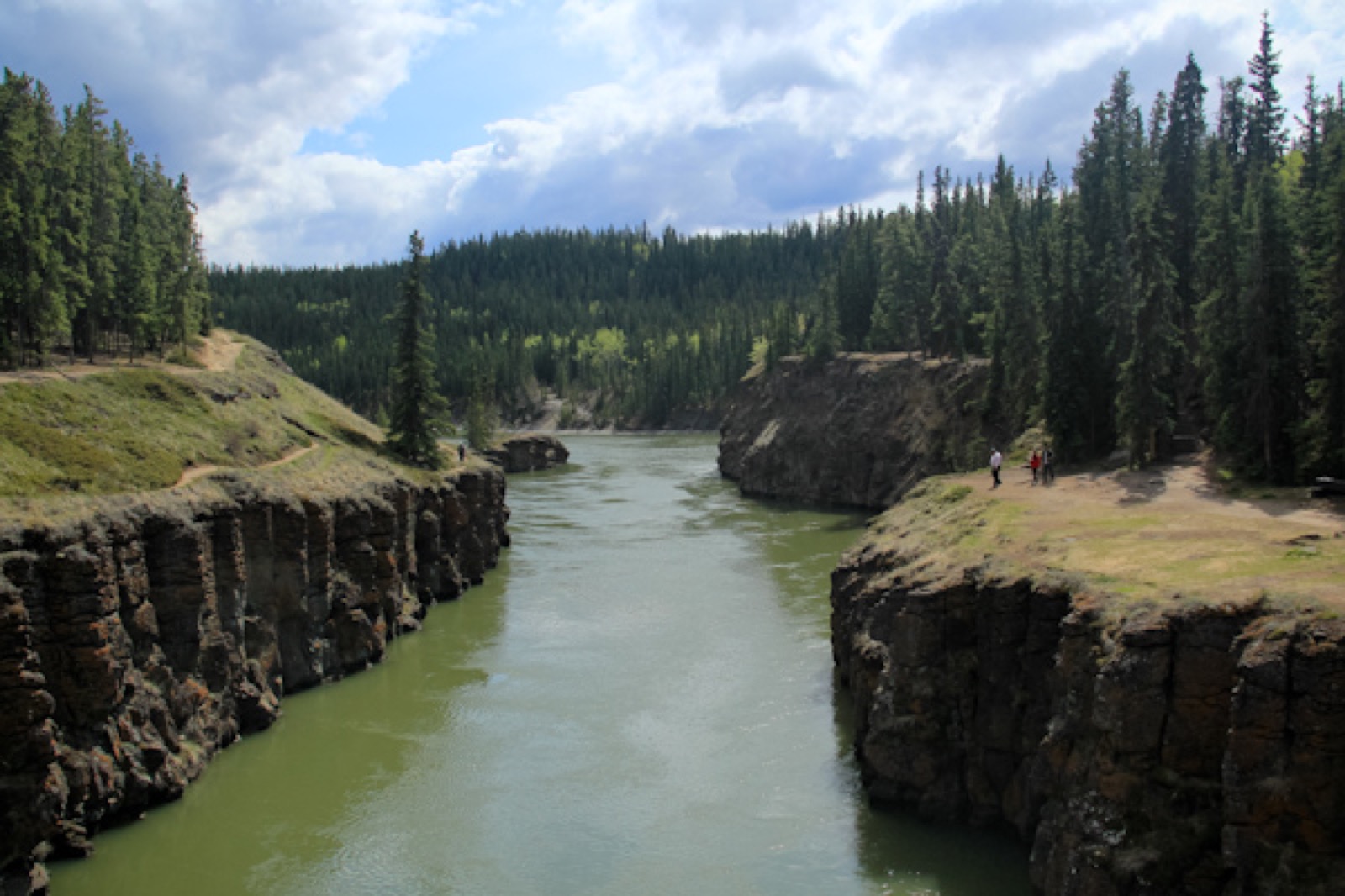
The Yukon River acts as the lifeblood of the territory, flowing over 1,900 miles from British Columbia to the Bering Sea. Historically, this waterway served as a vital transportation route for Indigenous peoples and later for gold rushers and traders. Today, it remains a primary artery for exploration, offering a unique perspective on the wilderness. River cruises and guided rafting trips allow travelers to see the changing terrain from the water, passing through deep canyons and wide floodplains. The river is teeming with salmon, which attract eagles, bears, and other predators. Camping along the riverbanks provides a chance to hear the water flow and see the stars reflected on its surface. The historical significance of the river adds a layer of depth to the journey, connecting modern visitors with the stories of those who came before.
Denali Highway and the Interior Plateau
The Denali Highway offers a scenic drive through the interior plateau, connecting the town of Tok to the Alaska Highway. This route passes through vast stretches of open country where the land stretches to the horizon. Wildlife viewing is exceptional here, with opportunities to see caribou herds moving across the tundra and moose grazing near the wetlands. The landscape is characterized by rolling hills, birch forests, and endless skies. For those who prefer to leave their vehicle at the trailhead, the highway provides access to numerous backcountry campsites and hiking paths. The area is known for its stark beauty, particularly during the short summer days when the midnight sun bathes the landscape in a golden light. It is a place where the sense of isolation is palpable, offering a true escape from the hustle of daily life.
Winter Adventures in the Yukon
Winter transforms the Yukon into a frozen realm where the cold brings a different kind of clarity. The aurora borealis dances across the night sky, providing a spectacular natural light show. Dog sledding is a traditional activity that connects visitors with the history of the region, allowing them to travel across snow-covered trails alongside a team of eager dogs. Ice fishing on frozen lakes offers a quiet pastime, while snowmobiling opens up vast areas for exploration. The cold air makes every breath feel crisp, and the silence of the snow-covered forest is profound. These winter activities highlight the resilience of the landscape and the adaptability required to enjoy it fully. The Yukon in winter is a stark, beautiful challenge that rewards those who venture out with memories that last a lifetime.