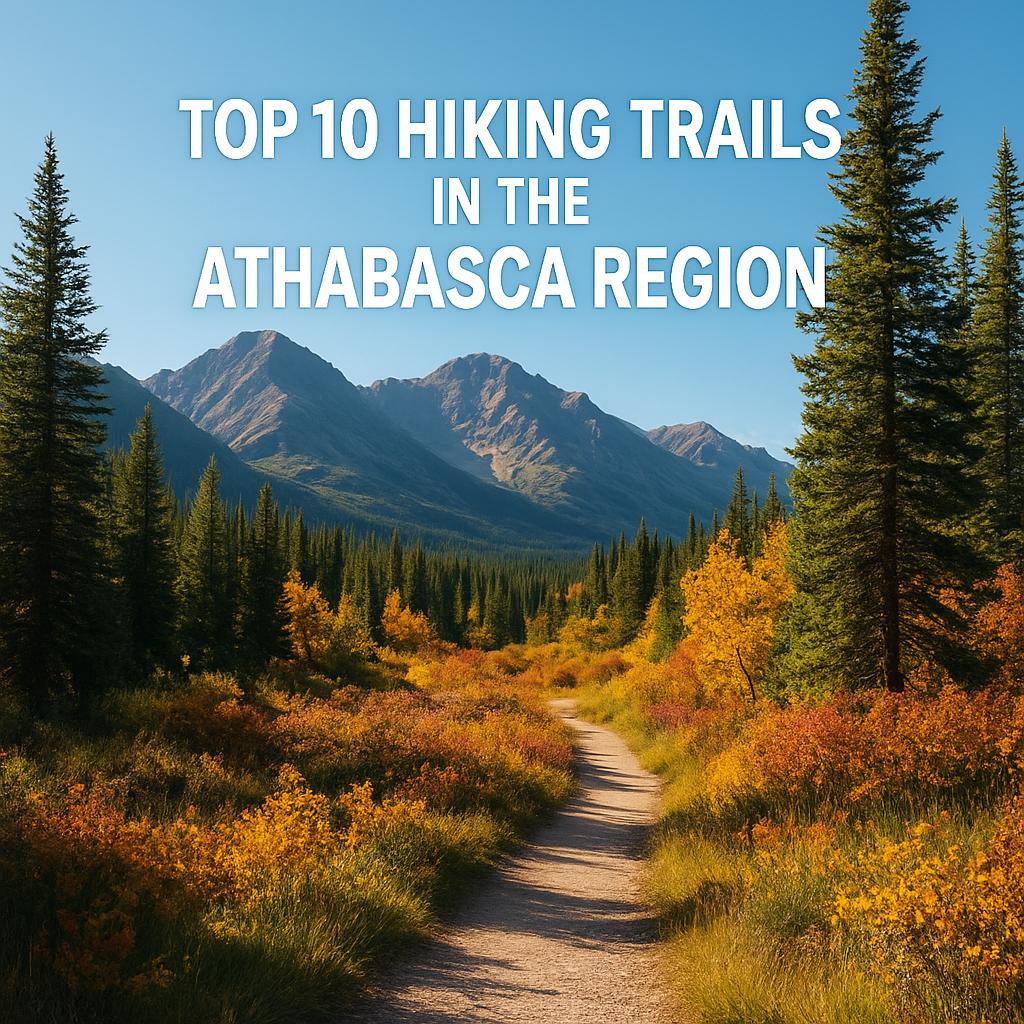
Top 10 Hiking Trails in the Athabasca Region
Posted on September 26, 2026 • 5 minutes • 887 words
Table of contents
- What are the best hiking trails in the Athabasca Region for beginners?
- Which hiking trails in the Athabasca Region provide challenging multi-day backpacking experiences?
- What are the must-see natural highlights on Athabasca Region hiking trails?
- How can hikers prepare for safety and navigation on Athabasca Region trails?
- What are recommended times of year to hike in the Athabasca Region?
- Frequently Asked Questions
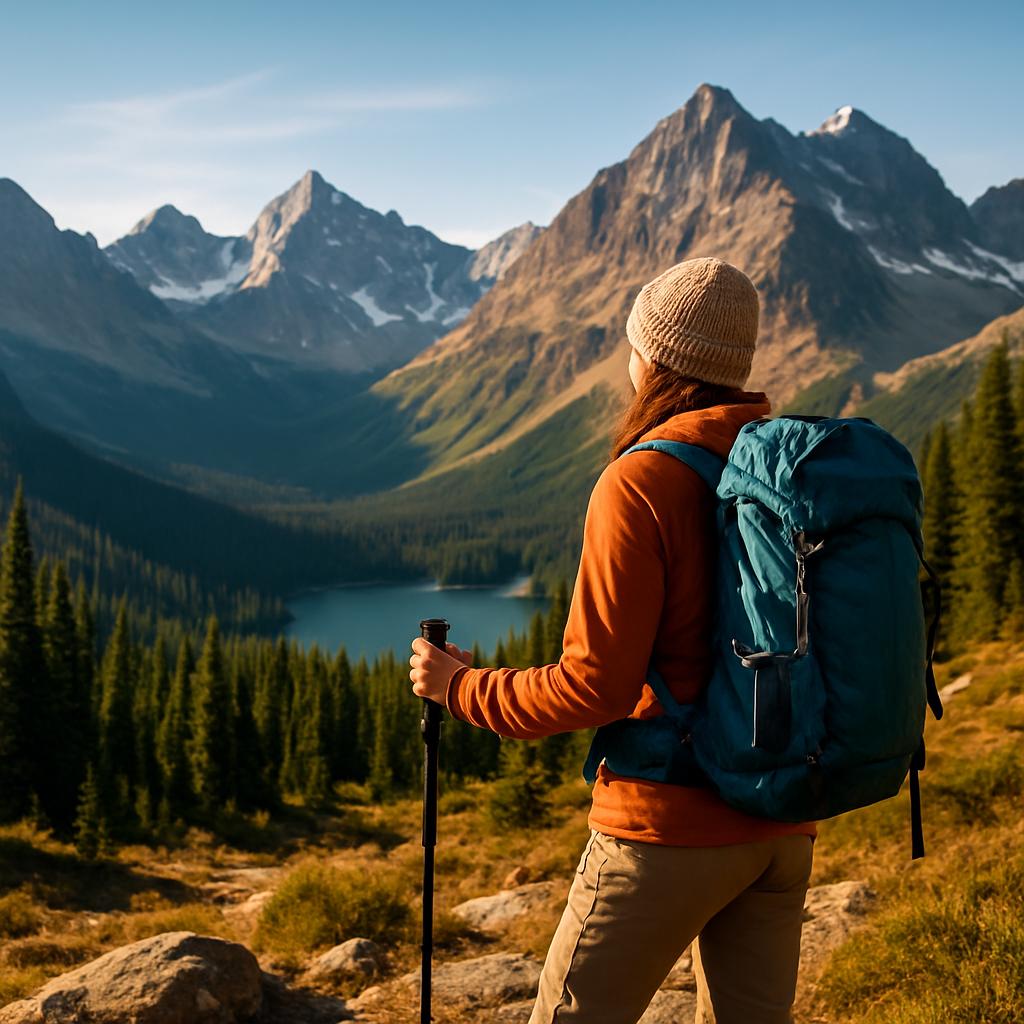
The Athabasca Region, located in Alberta, Canada, offers some of the most breathtaking hiking experiences for outdoor enthusiasts and backpackers. Its vast wilderness, alpine meadows, crystal-clear lakes, and towering peaks create the perfect setting to explore nature’s beauty on foot. Whether you’re a beginner or an experienced hiker, the region has trails that provide unforgettable views and encounters with unique wildlife. Get ready to discover ten of the most spectacular hiking trails in the Athabasca Region that promise adventure, exercise, and serene moments off the beaten path.
What are the best hiking trails in the Athabasca Region for beginners?
If you’re new to hiking or looking for a leisurely day hike, the Athabasca Region offers several accessible trails that combine scenic beauty with gentle terrain.
- Athabasca Falls Trail: This short, 1.5 km loop leads to an impressive waterfall with powerful cascades and viewing platforms. It’s wheelchair and stroller accessible.
- Maligne Canyon Rim Trail: A 7 km trail alongside one of the deepest limestone canyons in Jasper National Park. Well-maintained, it offers stunning views of waterfalls and rugged canyon walls.
- Old Fort Point Loop: Around 2.5 km, this trail offers panoramic views of Jasper townsite and the Athabasca River. The path is well-marked and family-friendly.
These trails offer excellent birdwatching opportunities, interpretive signs explaining natural features, and well-maintained boardwalks or bridges.
Which hiking trails in the Athabasca Region provide challenging multi-day backpacking experiences?
For hikers seeking more physically demanding adventures, there are several extended hikes ranging from two to five days through wilderness areas filled with alpine lakes, mountain passes, and backcountry campsites.
- Tonquin Valley Trail: Approximately 40 km, this route crosses through subalpine meadows and offers stunning views of the ramparts and Amethyst Lakes. Ideal for experienced backpackers.
- Opal Hills Loop: A strenuous 10 km circuit featuring alpine ridges, panoramic views, and colorful wildflowers, often combined with a multi-day stay at the nearby Sigurd Creek Campground.
- Waputik Icefield Trail: Extending more than 50 km, this trail traverses glacial landscapes and moraine fields. Requires navigational skills and mountaineering knowledge.
Hikers on these routes should prepare for variable weather, carry appropriate gear, and register with park authorities due to remoteness.
What are the must-see natural highlights on Athabasca Region hiking trails?
The Athabasca Region contains many natural attractions worth visiting while hiking, including waterfalls, glaciers, and expansive panoramas.
- Athabasca Glacier: Accessible via the Wilcox Pass Trail, this glacier is part of the Columbia Icefield and offers fascinating insights into glacial geography.
- Maligne Lake: Surrounded by snow-capped peaks, hikes near this lake provide memorable views of Spirit Island and opportunities for wildlife spotting.
- Mount Edith Cavell: Trails here lead to Angel Glacier viewpoints and dramatic cliff faces.
- Medicine Lake: Unique for its disappearing waters, the area offers quiet walking paths with chances to see moose and other wildlife.
These locations often include interpretive centers explaining the geological and ecological significance of the features.
How can hikers prepare for safety and navigation on Athabasca Region trails?
Safety is key when hiking in a remote and wild region like Athabasca. Proper preparation enhances confidence and enjoyment.
- Carry a detailed topographic map and compass or GPS device; trails can be poorly marked in some backcountry areas.
- Check weather forecasts. Mountain weather changes quickly, so dress in layers and bring waterproof gear.
- Carry bear spray and know how to use it, since black and grizzly bears inhabit the area.
- Stick to designated trails to protect sensitive environments and to avoid getting lost.
- Inform a park ranger or a friend/family member about your route and expected return time.
- Pack sufficient water, snacks, first aid supplies, and emergency shelter materials.
Many visitor centers in Jasper and surrounding towns provide updated trail conditions and safety tips.
What are recommended times of year to hike in the Athabasca Region?
Hiking conditions in the Athabasca Region change considerably through the seasons, influencing trail accessibility and scenery.
- Summer (June-September): The most popular hiking season; snow has melted on most trails. Wildflowers and lush greenery dominate the landscape.
- Fall (September-October): Cooler temperatures and fall foliage create colorful vistas. Fewer crowds but some higher-elevation trails might start seeing early snow.
- Winter and Spring: Many trails are snow-covered and best suited for snowshoeing or backcountry skiing rather than hiking.
Before planning, check local park websites for seasonal closures or warnings related to wildlife activity or trail maintenance.
Frequently Asked Questions
What are the easiest hiking trails near Athabasca Glacier?
The Wilcox Pass Trail is one of the easiest options near Athabasca Glacier, offering about 8 km round trip on well-maintained paths with moderate elevation gain. The trail provides excellent glacier views without requiring technical skills.
Can I camp on the hiking trails in the Athabasca Region?
Yes, several backcountry camping sites are available along multi-day hiking trails like the Tonquin Valley and Waputik Icefield routes. Campers need to follow Leave No Trace principles and obtain necessary permits.
What wildlife might I see on Athabasca hiking trails?
You may encounter black bears, grizzly bears, elk, moose, mountain goats, and various bird species. Early morning or late evening hikes increase chances of spotting wildlife. Always keep a respectful distance.
Are there guided hiking tours in the Athabasca Region?
Several companies offer guided hikes and backpacking trips, providing expert knowledge of the terrain and safety support. Guided options suit beginners or those unfamiliar with Canadian wilderness.