The Best Places to Stargaze in Canada
Posted on March 3, 2026 • 5 minutes • 1006 words
Table of contents
- Why Canada Is Perfect for Stargazing
- Jasper National Park, Alberta
- Bruce Peninsula National Park, Ontario
- Grasslands National Park, Saskatchewan
- Kouchibouguac National Park, New Brunswick
- Terra Nova National Park, Newfoundland and Labrador
- Wood Buffalo National Park, Alberta and Northwest Territories
- Mont-Mégantic International Dark Sky Reserve, Quebec
- Tips for Stargazing in Canada
- Experience Canada’s Night Sky at Its Finest
The night sky in Canada feels endless. On a clear evening far from city lights, the Milky Way stretches overhead, constellations sharpen into focus, and meteor showers streak across the darkness. From rugged coastlines to remote northern parks, Canada offers some of the best stargazing experiences on Earth. If you’re searching for the best places to stargaze in Canada, this guide highlights breathtaking destinations where darkness reigns and the stars steal the show.
Why Canada Is Perfect for Stargazing
Canada’s vast size and low population density create ideal conditions for astronomy lovers. Large stretches of protected land, minimal light pollution, and northern latitudes make it possible to see phenomena like the Northern Lights, meteor showers, and even faint deep-sky objects without a telescope.
Many parks across the country hold official Dark Sky Preserve status. These areas follow strict lighting guidelines, making them prime locations for anyone interested in astrophotography, camping under the stars, or simply lying back and watching the cosmos unfold.
Jasper National Park, Alberta
Jasper National Park ranks among the most famous stargazing destinations in Canada. Designated as a Dark Sky Preserve, it offers pristine night skies framed by the Canadian Rockies.
On moonless nights, the Milky Way shines clearly above mountain peaks and alpine lakes. Jasper even hosts an annual Dark Sky Festival each October, drawing astronomers, photographers, and curious travelers from around the world. Telescope tours, planetarium experiences, and guided night hikes make this park a top pick for both beginners and seasoned stargazers.
Popular viewing spots include Pyramid Lake, Medicine Lake, and Maligne Canyon. Arrive before sunset to set up and let your eyes adjust as darkness settles in.
Bruce Peninsula National Park, Ontario
Bruce Peninsula National Park, located near Georgian Bay, is one of Ontario’s best places to see stars. Its Dark Sky Preserve status protects the area from excessive artificial lighting, offering crisp views of constellations and planets.
The park’s rocky shoreline creates dramatic foregrounds for astrophotography. On calm nights, stars reflect in the waters of Lake Huron, adding a magical touch to your viewing session. The nearby Fathom Five National Marine Park expands your options for secluded, dark viewing areas.
Summer and early fall provide comfortable temperatures, though winter skies often appear sharper and clearer.
Grasslands National Park, Saskatchewan
Grasslands National Park delivers some of the darkest skies in North America. Located far from major cities, this prairie park offers a wide-open horizon that feels limitless.
The absence of tall trees and mountains means unobstructed 360-degree views. Constellations rise and set in full view, and the Milky Way arcs dramatically from one side of the sky to the other. Visitors frequently spot planets, star clusters, and faint galaxies with the naked eye.
Camping overnight in the park allows for extended stargazing sessions. The East Block area is especially popular for astronomy enthusiasts seeking solitude and exceptional darkness.
Kouchibouguac National Park, New Brunswick
On Canada’s east coast, Kouchibouguac National Park stands out as a hidden gem for stargazing. Its coastal setting pairs ocean breezes with remarkably dark skies.
Boardwalks and dunes provide open vantage points free from tall obstructions. The park frequently hosts astronomy events, including guided telescope nights and educational programs for families. The combination of salt marshes, sandy beaches, and star-filled skies creates a peaceful nighttime atmosphere.
Clear autumn nights tend to offer the best conditions, though summer remains popular for camping and late-night skywatching.
Terra Nova National Park, Newfoundland and Labrador
Terra Nova National Park offers one of Atlantic Canada’s most impressive dark sky experiences. Far from urban centers, this coastal park delivers exceptional clarity on clear nights.
Stargazers can set up near Newman Sound or along forested trails that open to expansive views of the sky. During peak aurora activity, faint green ribbons sometimes appear overhead. Meteor showers like the Perseids in August are particularly striking here, with minimal light interference.
Mild summer temperatures make Terra Nova a comfortable choice for overnight adventures.
Wood Buffalo National Park, Alberta and Northwest Territories
Wood Buffalo National Park, the largest national park in Canada, holds Dark Sky Preserve status and offers some of the most dramatic Northern Lights displays in the country.
Located far north, this park sits under the auroral oval, making it prime territory for aurora viewing during fall and winter. On clear nights, shimmering curtains of green and purple light ripple across the sky.
The remoteness of Wood Buffalo means preparation is key. Bring warm layers, proper supplies, and check weather forecasts before planning your trip. For those seeking a true wilderness stargazing experience, few places compare.
Mont-Mégantic International Dark Sky Reserve, Quebec
Mont-Mégantic in Quebec was the first International Dark Sky Reserve in the world. This designation reflects the region’s long-standing commitment to protecting its night skies.
The Mont-Mégantic Observatory sits at the heart of the reserve, offering public astronomy programs and guided telescope sessions. Surrounding villages follow strict lighting rules, preserving exceptional viewing conditions across a wide area.
Visitors can hike to elevated viewpoints for panoramic night skies or attend educational workshops that deepen their understanding of astronomy.
Tips for Stargazing in Canada
Planning ahead can transform a good night into an unforgettable one. Check moon phases and aim for a new moon or nights with minimal moonlight. Clear skies are crucial, so monitor weather forecasts closely.
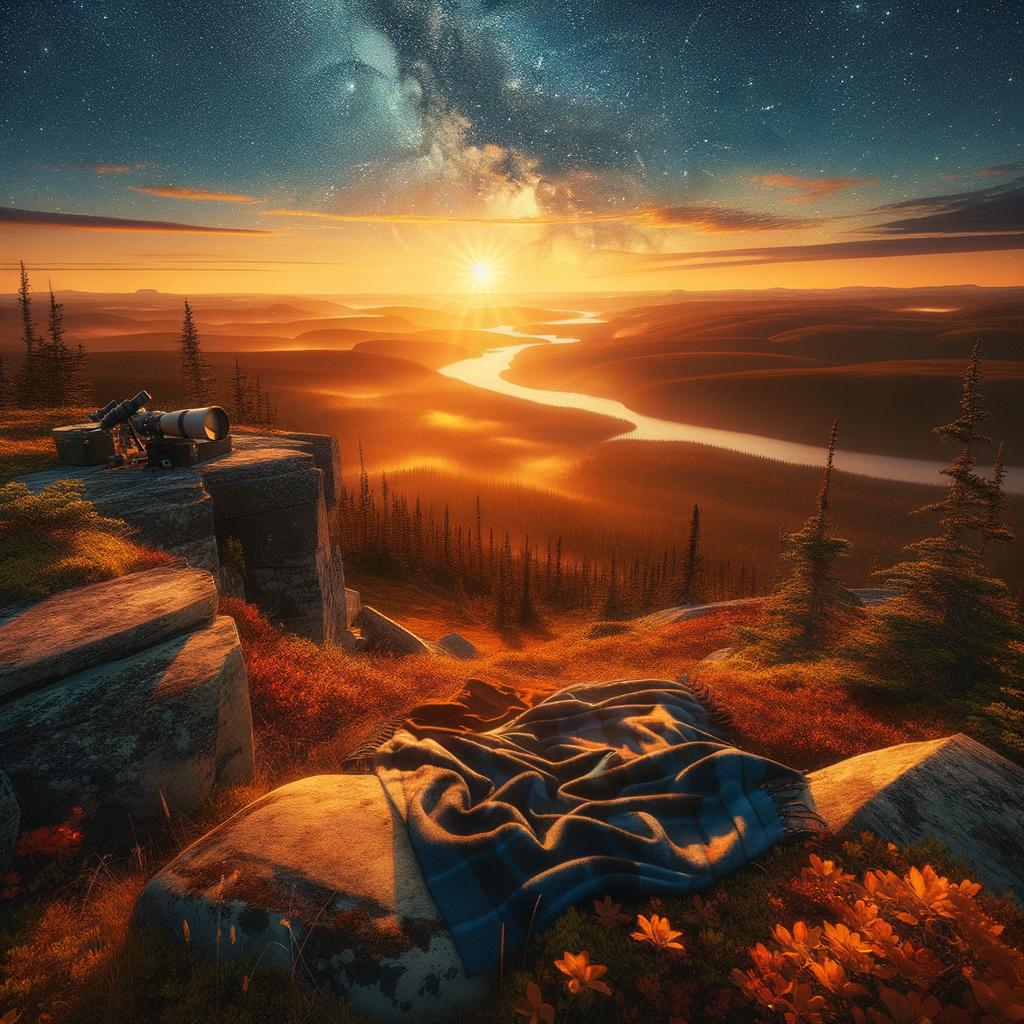
Bring a red flashlight to preserve night vision, along with warm clothing, blankets, and a reclining chair. In remote parks, pack snacks, water, and safety gear. Arrive before dark to get oriented and set up comfortably.
Astrophotographers should use a tripod, wide-angle lens, and manual camera settings for the best results. Long exposures reveal details invisible to the naked eye.
Experience Canada’s Night Sky at Its Finest
From the Rocky Mountains to coastal shores and prairie plains, the best places to stargaze in Canada offer awe-inspiring views of the universe. Dark Sky Preserves and remote national parks provide rare opportunities to reconnect with the cosmos. With a bit of planning and a clear night overhead, Canada’s star-filled skies promise memories that linger long after dawn breaks.