The 2025 Guide to Canadas Most Extreme Adventures
Posted on March 7, 2026 • 5 minutes • 886 words
Table of contents
The 2025 Guide to Canadas Most Extreme Adventures
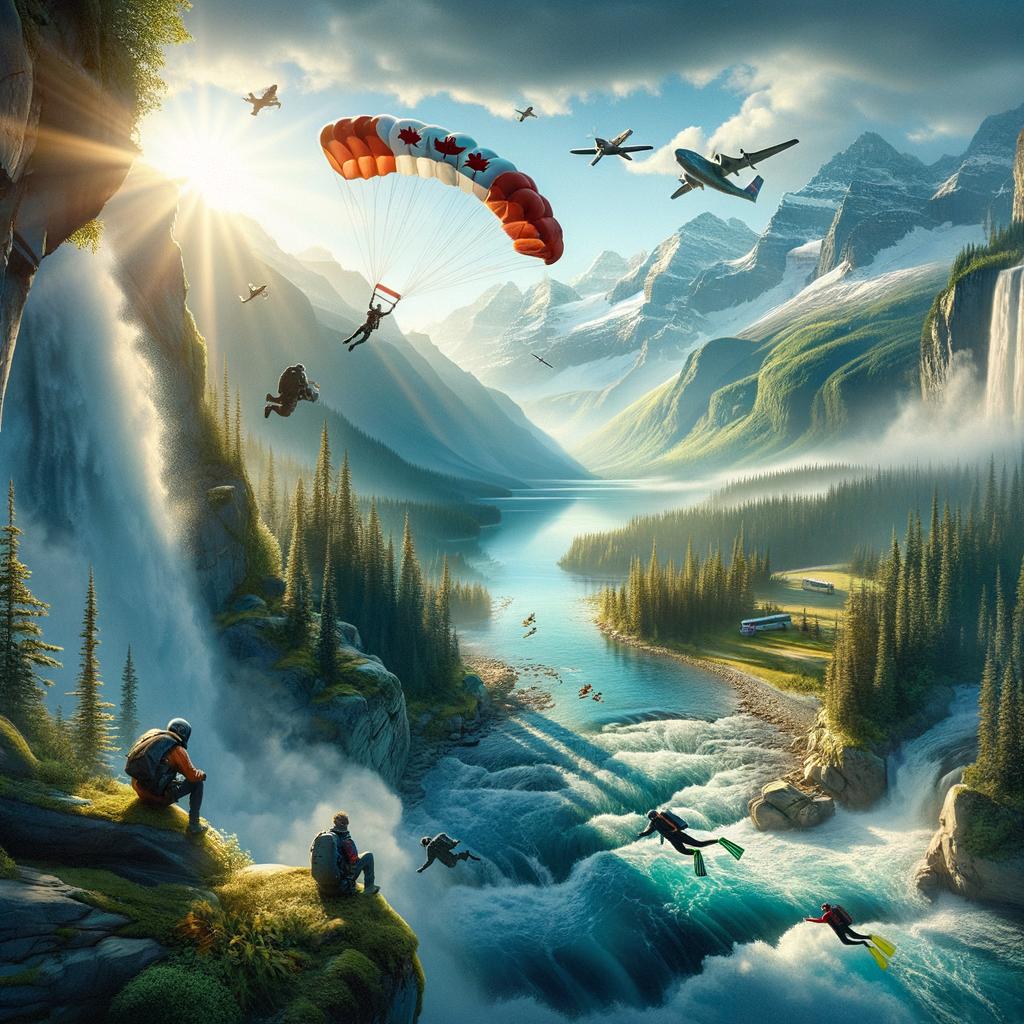
Canada’s vast terrain offers a stage for some of the most daring pursuits on the planet, transforming the frozen north into a playground for the bold. As we move into 2025, the landscape of adventure travel continues to shift, with new routes opening and established challenges evolving to meet the demands of modern explorers. Whether you seek the silent isolation of the arctic tundra or the raw power of coastal storms, this year promises experiences that test limits and forge lasting memories. The allure lies not just in the physical challenge, but in the profound connection with a wild environment that remains largely untouched by mass tourism. This guide highlights the destinations and activities that define extreme exploration in Canada for the coming year, offering a roadmap for those ready to step beyond the familiar.
Heli-Skiing in the Remote Haida Gwaii Archipelago
For the winter enthusiast, the Haida Gwaii islands present a unique and formidable challenge that stands apart from the Rockies. The combination of heavy coastal snowfall and rugged mountain terrain creates deep powder conditions that few regions can match. In 2025, access to the most secluded peaks remains reliant on helicopters, ensuring that the snow remains pristine and the crowds stay minimal. Skiers navigate through ancient cedar forests that line the steep slopes, descending into valleys where the only sounds are the crunch of skis and the distant crash of waves against the shore. The isolation here is absolute, providing a sense of freedom that is rare in the modern world. Operators in this region prioritize safety and environmental stewardship, ensuring that the fragile ecosystem remains intact for future generations of adventurers.
Ice Climbing on the Frozen Waterfalls of Banff
The classic winter activity of ice climbing finds new intensity in the 2025 season within the Banff National Park. While the area is well-known, the formation of new ice routes after recent weather patterns offers fresh challenges for climbers. The frozen waterfalls near Lake Louise and in the surrounding canyons present vertical walls of blue ice that demand precision and strength. The cold air bites at exposed skin, and the wind howls through the canyons, adding an element of weather unpredictability to every ascent. Climbers utilize specialized equipment to scale these frozen structures, reaching heights that offer breathtaking views of the snow-covered peaks below. The physical exertion required to ascend these walls provides a profound sense of accomplishment, making the climb a true test of mental and physical resilience.
Sea Kayaking Through the Stormy Gulf Islands
The summer months bring a different kind of extreme to the Pacific coast, where the waters around the Gulf Islands can turn treacherous with the changing tides. Sea kayakers venture into the open ocean to face swells that can exceed ten feet, testing their endurance and navigation skills. The challenge here lies not just in the physical act of paddling, but in the ability to read the water and anticipate the shifting winds. Guides for 2025 emphasize advanced techniques for handling rough seas, ensuring that groups can maintain safety while exploring the hidden coves and sea caves along the shoreline. The experience of battling the elements and finding shelter in a secluded inlet offers a raw connection to the power of the ocean.
Mountaineering the Unclimbed Peaks of the Yukon
In the north, the Yukon Territory offers some of the most challenging mountaineering opportunities in the country. The unclimbed peaks scattered across the wilderness demand a high level of self-sufficiency and technical skill. Expeditions here often involve long approaches on foot or via snowmobile, followed by weeks of acclimatization and technical climbing. The terrain is rugged and unforgiving, with crevasses and steep rock faces that require constant vigilance. Success in the Yukon relies on careful planning and the ability to adapt to rapidly changing weather conditions. Those who complete a summit in this region gain a perspective on the scale of the wilderness that few ever experience, standing atop a mountain where the only witness is the vast, silent landscape.
Dog Sledding Across the Frozen Arctic Circle
Winter in the Canadian Arctic transforms the land into a vast expanse of snow and ice, perfect for dog sledding expeditions. Teams of huskies navigate the frozen tundra, pulling sleds across trails that have been used for centuries by indigenous peoples. The 2025 season introduces new routes that explore previously inaccessible areas, offering a deeper connection to the cultural history of the region. The cold is intense, and the days are short, creating an atmosphere of stark beauty and quiet isolation. Mushing through this landscape requires a bond between handler and dogs, a partnership built on trust and mutual dependence. The experience of gliding silently over the snow under the northern lights provides a spiritual and physical journey that resonates long after the expedition ends.
These adventures represent the pinnacle of exploration in Canada for 2025. They offer more than just a thrill; they provide a chance to engage with the wild in its purest form. Whether you are scaling a frozen wall, paddling through stormy waters, or traversing the arctic tundra, these experiences will challenge you in ways that ordinary travel never can. The year ahead holds the promise of discovery for those willing to embrace the unknown and push their boundaries.