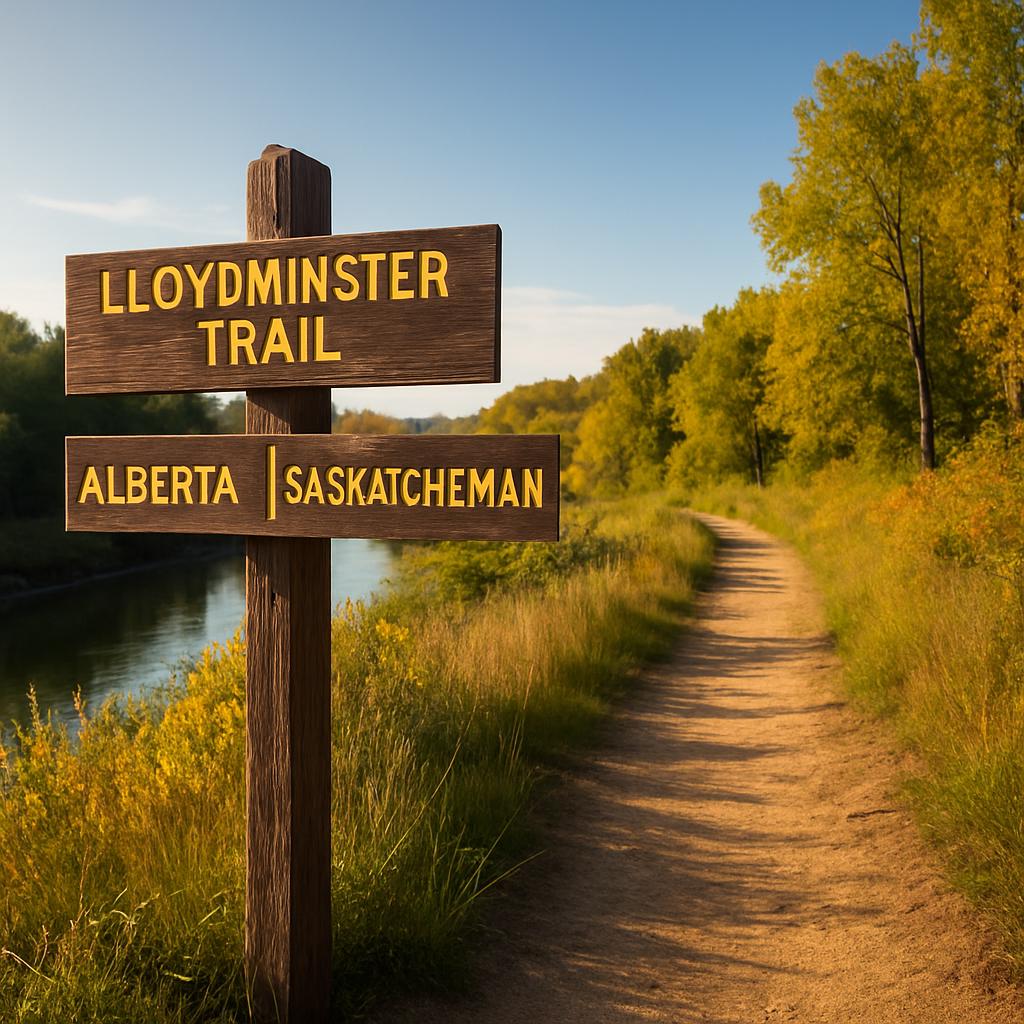
Lloydminster Trail: Hiking Alberta Saskatchewan Border
Posted on April 13, 2026 • 4 minutes • 740 words
Table of contents
Standing at the edge of the Lloydminster Trail, you are greeted by a landscape that shifts dramatically with the seasons. The air carries the scent of wild sage and damp earth, promising a journey that feels both remote and deeply connected to the rhythm of the prairie. This path, winding through the heart of the Alberta-Saskatchewan border, offers hikers a chance to escape the noise of city life and immerse themselves in a setting where wide horizons meet rugged terrain. Whether you are a seasoned trekker looking for a new challenge or a beginner seeking a peaceful afternoon, this trail provides a unique blend of natural beauty and historical significance that few other routes can match.
Understanding the Route and Terrain
Before setting foot on the path, it helps to understand the layout of the Lloydminster Trail. This route connects the city of Lloydminster with the surrounding wilderness, offering a mix of paved sections, gravel roads, and single-track dirt paths. The total distance varies depending on which segment you choose, but the full experience covers significant ground that rewards your effort. You will traverse rolling hills, cross gentle streams, and walk through open fields that showcase the vastness of the prairie landscape. The terrain is generally moderate, though some sections can become muddy after heavy rains or steep in areas where the land rises. Planning your route based on current conditions and your fitness level ensures a safe and enjoyable experience.
Best Times to Hike for Optimal Views
Timing your visit can make a substantial difference in your experience. Spring brings a burst of green as the grasses grow tall and wildflowers begin to dot the landscape. The days are longer, offering ample light for exploration, though the ground may be wet. Summer offers warm temperatures and long daylight hours, making it ideal for longer treks. However, the heat can be intense, so starting early in the morning is advisable. Autumn is perhaps the most scenic time, as the changing leaves create a tapestry of gold and red that contrasts beautifully against the blue sky. Winter transforms the trail into a quiet, snowy wonderland, but requires careful preparation for cold weather and potential ice.
Essential Gear and Safety Preparations
Proper preparation is key to a successful hike. Sturdy hiking boots with good ankle support are necessary to handle the varied terrain and prevent slips on loose gravel or muddy patches. Dressing in layers allows you to adjust to changing temperatures throughout the day. Bring plenty of water and high-energy snacks to keep your energy levels up. A detailed map or a reliable GPS device is crucial, as signal coverage can be spotty in remote sections. It is also wise to carry a basic first aid kit, a whistle, and a fully charged phone for emergencies. Letting someone know your planned route and expected return time adds an extra layer of safety.
Navigating Wildlife and Natural Features
The trail is home to a variety of wildlife, including deer, rabbits, and numerous bird species. Keeping a respectful distance and observing from afar allows you to enjoy these animals without causing them stress. Be aware of your surroundings to avoid surprising any creatures. The area also features interesting geological formations and historical markers that tell the story of the region. Paying attention to these details enriches the hike, turning a simple walk into an educational journey through the local history and ecology.
Points of Interest Along the Path
Several spots along the trail offer excellent opportunities for rest and observation. There are designated viewing platforms that provide sweeping vistas of the surrounding plains and the river valley below. Historical markers are scattered along the route, offering insights into the area’s past. Some sections pass through dense clusters of trees that offer shade and a cooler environment during the hottest parts of the day. Taking time to stop at these points allows you to absorb the scenery and capture memorable photos.
Making the Most of Your Trail Experience
To fully enjoy the Lloydminster Trail, approach it with patience and a sense of curiosity. Take time to listen to the sounds of nature and observe the small details that make the environment unique. Sharing the trail with others requires courtesy and awareness, ensuring a positive experience for everyone. With the right mindset and preparation, this trail offers a rewarding escape that connects you with the natural world and provides a sense of accomplishment upon completion.