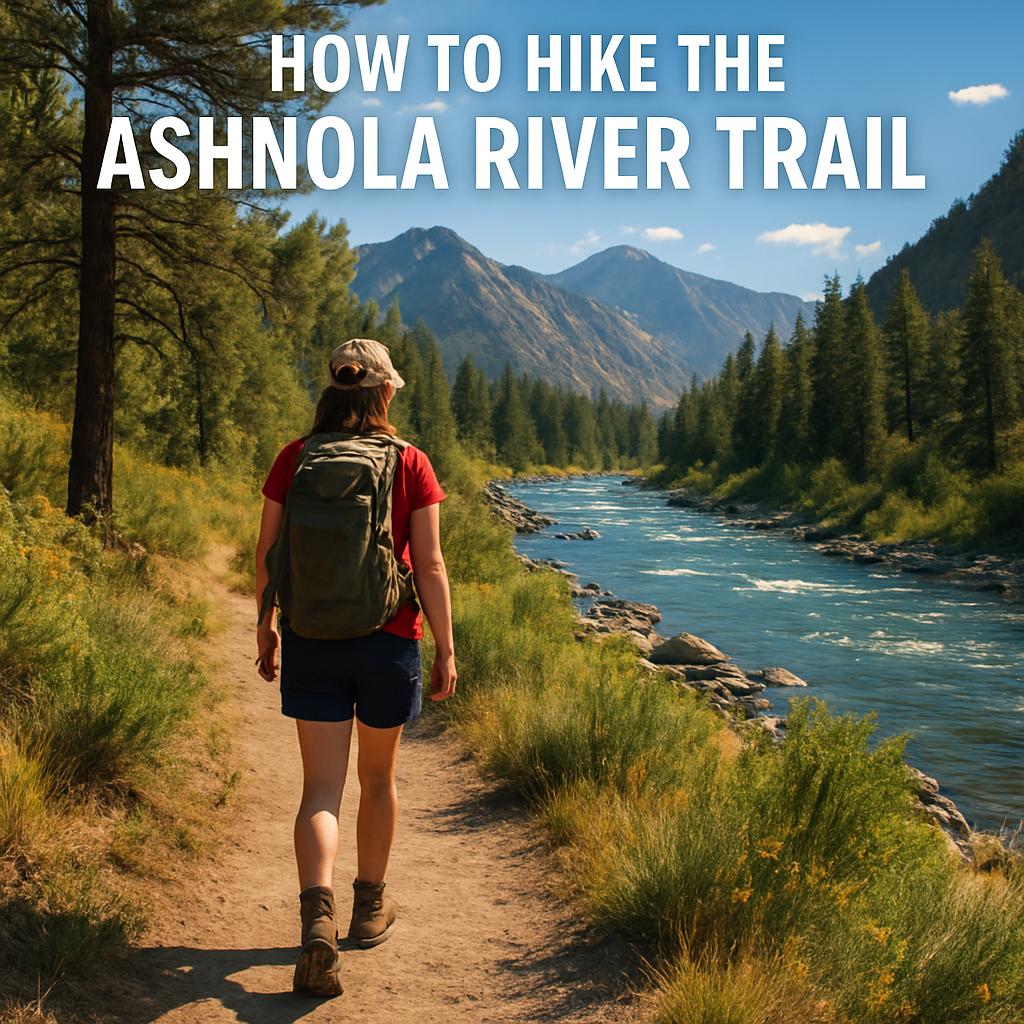
How to Hike the Ashnola River Trail
Posted on September 27, 2026 • 4 minutes • 829 words
Table of contents
- What Is the Best Way to Prepare for Hiking the Ashnola River Trail?
- How Long Does It Take to Hike the Ashnola River Trail?
- Where to Find the Trailhead for the Ashnola River Trail?
- What Are the Highlights and Scenic Spots Along the Ashnola River Trail?
- What Are Tips for Hiking the Ashnola River Trail Safely?
- Frequently Asked Questions
Exploring the Ashnola River Trail offers an exciting adventure for hikers seeking a blend of rugged beauty and peaceful nature in British Columbia. This trail, weaving along the Ashnola River, provides stunning views, opportunities for wildlife spotting, and the chance to experience a serene wilderness setting. Whether you’re a seasoned backpacker or a day-hiking enthusiast, discovering how to hike the Ashnola River Trail can lead to an unforgettable outdoor experience.
What Is the Best Way to Prepare for Hiking the Ashnola River Trail?
Preparation is key to having a safe and enjoyable hike on the Ashnola River Trail. Before setting out, research the trail conditions, weather forecasts, and any advisory announcements from local park services. The trail can feature rocky areas and stream crossings, so packing the right gear makes a difference.
Here is a checklist to consider:
- Sturdy hiking boots with good traction
- Layered clothing for changing weather
- Plenty of water and portable snacks
- Map or GPS device of the trail area
- First aid kit and insect repellent
- Trekking poles for uneven terrain
- Sun protection including a hat and sunscreen Carrying a small backpack with these essentials will help you stay comfortable and safe throughout your journey.
How Long Does It Take to Hike the Ashnola River Trail?
The Ashnola River Trail varies in length depending on the route you choose and your hiking pace. Typically, hiking the full trail section near Ashnola River Provincial Park can take anywhere from 3 to 6 hours round trip.
Key factors influencing timing include:
- Your fitness and hiking experience
- Time spent on breaks or wildlife observation
- Weather and trail conditions (such as wet or muddy paths)
- Trail segment selected – shorter or longer loops or out-and-back trips Planning an early start helps you avoid hiking after dark. You may want to allocate extra time if you plan to camp or take photographs along the way.
Where to Find the Trailhead for the Ashnola River Trail?
Finding the correct trailhead is crucial for accessing the Ashnola River Trail. The main starting point is located near Ashnola River Provincial Park, accessible via Highway 3. From the highway, look for clear signage directing you toward the parking area close to the river.
Directions summary:
- Take Highway 3 and turn off at the Ashnola River Provincial Park entrance
- Park in the designated lot near the trail marker
- The trailhead is well-signed and leads down to the riverside start point Using GPS coordinates or a detailed map of the area will assist you in pinpointing the trailhead without delay.
What Are the Highlights and Scenic Spots Along the Ashnola River Trail?
Hiking the Ashnola River Trail reveals a range of natural attractions that make the trek rewarding. This river trail is known for its crystal-clear water, towering cliffs, and abundant wildlife. Here are some highlights to look out for:
- Riverside views: Enjoy the peaceful sound of flowing water alongside the trail.
- Wildlife sightings: Keep an eye out for birds, deer, and smaller mammals.
- Rock formations: Marvel at unique geological structures created over millennia.
- Wildflower patches: During spring and summer, colorful blooms dot the trail.
- Quiet spots for rest: Several benches and open clearings offer perfect picnic areas. Photographers and nature lovers will find plenty to admire and document during their hike.
What Are Tips for Hiking the Ashnola River Trail Safely?
Prioritizing safety on the Ashnola River Trail helps ensure a positive outdoor experience. Paying attention to a few key practices can reduce risks:
- Stay on marked paths to avoid getting lost.
- Notify someone of your hiking plans and estimated return time.
- Check weather conditions and be prepared for sudden changes.
- Avoid crossing fast-flowing streams or slippery rocks.
- Carry a whistle or phone for emergency contact where signal is available.
- Respect local wildlife by keeping a safe distance and not feeding animals. Observing these safety tips makes your hike more enjoyable and helps protect the natural environment.
Frequently Asked Questions
How difficult is the Ashnola River Trail for beginners?
The Ashnola River Trail is considered moderately easy to moderate in difficulty. The trail has some uneven terrain and stream crossings that beginners should prepare for, but it is manageable with good footwear and a steady pace.
Can I camp overnight near the Ashnola River Trail?
Yes, there are camping options within Ashnola River Provincial Park and nearby areas. Check local regulations and bring proper camping gear. Some spots require permits, so plan ahead for your overnight stay.
When is the best time of year to hike the Ashnola River Trail?
Late spring through early fall (May to September) offers the best weather for hiking the Ashnola River Trail. Snow melts and warmer temperatures make the trail more accessible, while wildflowers and greenery are at their peak.
Are dogs allowed on the Ashnola River Trail?
Dogs are permitted on the trail but should be kept on a leash to protect wildlife and other visitors. Clean up after your pet to help maintain the trail’s cleanliness and sustainability.