How to Backpack Across Canada’s Atlantic Provinces
Posted on September 28, 2026 • 5 minutes • 912 words
Table of contents
- What is the best time to backpack across Canada’s Atlantic Provinces?
- How to plan a backpacking route through Canada’s Atlantic Provinces?
- What are essential items to pack for backpacking in the Atlantic Provinces?
- How to travel between destinations while backpacking in Canada’s Atlantic Provinces?
- What are top backpacker-friendly accommodations and food options in Atlantic Canada?
- Frequently Asked Questions
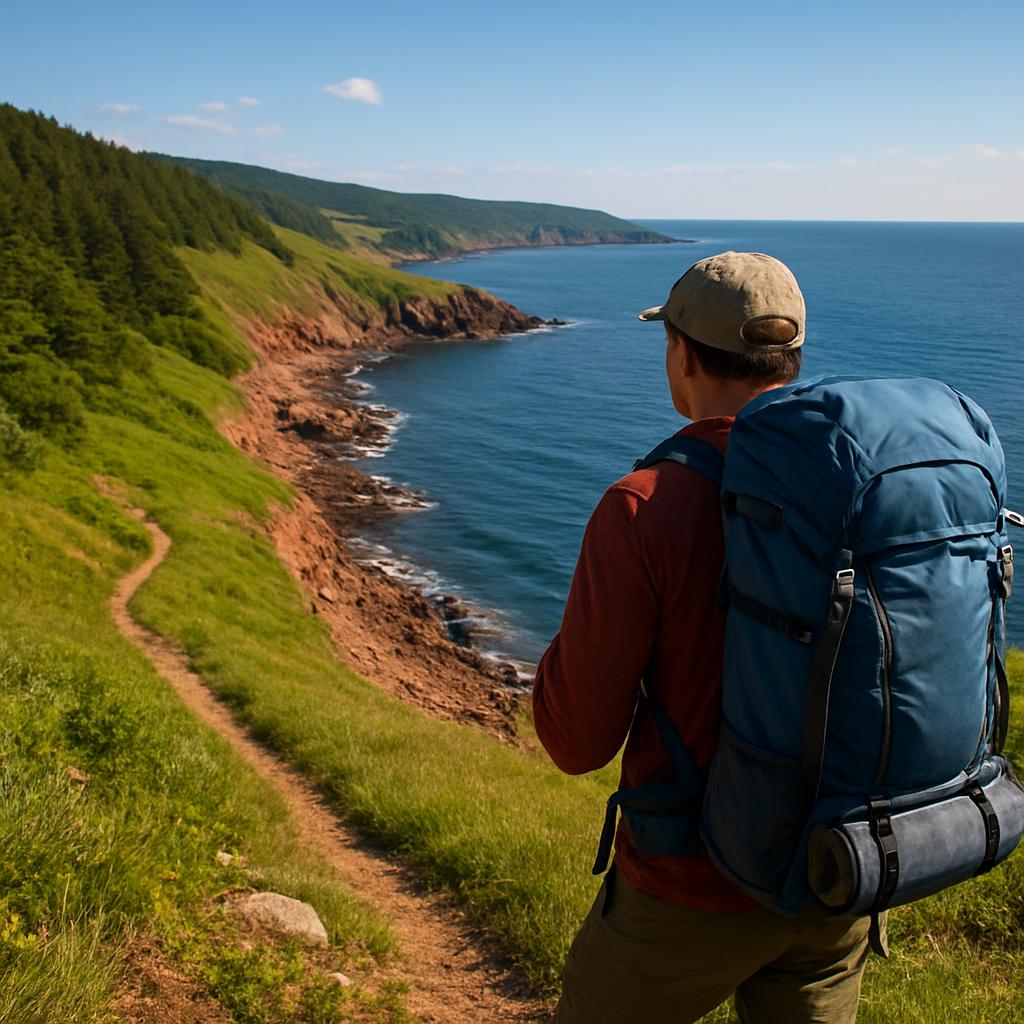
Canada’s Atlantic Provinces offer an unforgettable playground for backpackers who want to explore charming coastal towns, rugged cliffs, and friendly communities. The regions of Nova Scotia, New Brunswick, Prince Edward Island, and Newfoundland and Labrador each have distinct cultures and natural beauty that can be discovered on foot and by bus, ferry, or bike. Backpacking through this part of Canada brings opportunities to connect with history, seafood, and breathtaking ocean scenery without needing a car. Here’s how to prepare for and enjoy a budget-friendly outdoor adventure across Canada’s Atlantic Provinces.
What is the best time to backpack across Canada’s Atlantic Provinces?
Choosing the right season makes a big difference in your backpacking experience in the Atlantic Provinces. Summers from June to September are popular due to mild weather and longer daylight hours. This time lets you enjoy hiking trails, coastal walks, and festivals. Spring and early fall offer fewer tourists, cooler temps, and beautiful foliage colors, though some ferry services might wind down after summer.
- Summer: Warmest weather, great for outdoor activities and boat tours
- Spring (May-June): Flowers bloom, fewer crowds, some rain likely
- Fall (September-October): Cooler, colorful leaves, some attractions may close
- Winter: Cold weather and snow limit backpacking options, but offer winter sports
Packing layers and waterproof gear will keep you comfortable for sudden changes in Atlantic weather conditions.
How to plan a backpacking route through Canada’s Atlantic Provinces?
Planning your route depends on your timeframe, interests, and preferred pace. Many backpackers start in Nova Scotia’s Halifax and travel counterclockwise through New Brunswick, Prince Edward Island, and Newfoundland and Labrador. Distances vary, so prepare to spend several days to a few weeks.
Key stops to consider:
- Halifax: Cultural hub with museums, waterfront, and lively markets
- Cape Breton Island: Famous for the Cabot Trail and scenic hikes
- Fundy Coast in New Brunswick: Known for the tides, waterfalls, and Reversing Falls
- Prince Edward Island: Red sandy beaches, Anne of Green Gables sites, and cycling trails
- Newfoundland’s East Coast: Rugged coastline, puffins, and colorful villages like Bonavista
Public transportation links between some towns exist but can be infrequent. Combining buses, ferries, and rideshares helps maximize your options. Booking accommodations ahead during peak months avoids disappointment.
What are essential items to pack for backpacking in the Atlantic Provinces?
Packing smart helps you stay comfortable and keep your backpack light while adapting to the Atlantic Provinces’ coastal climate.
Must-have items include:
- Waterproof and windproof jacket to guard against rain and ocean breezes
- Layered clothing to adjust for cool mornings and warm afternoons
- Durable hiking boots or shoes for rocky trails and uneven terrain
- Reusable water bottle and snacks for long hikes or ferry rides
- Lightweight sleeping bag and camping gear if you plan to camp
- Maps or a GPS device, especially in remote areas where phone coverage may be spotty
- Insect repellent for summer months when blackflies and mosquitoes are common
- Power bank to charge your phone or camera on the go
Bringing local currency or a debit card with low foreign transaction fees helps in smaller towns with limited card acceptance.
How to travel between destinations while backpacking in Canada’s Atlantic Provinces?
Getting around the Atlantic Provinces without a car demands combining available public transit with ferries and active travel methods.
Transportation options:
- Intercity and local bus services connect major towns and cities in each province.
- Ferry routes link Nova Scotia with Prince Edward Island, and New Brunswick with Nova Scotia.
- Ride-sharing apps or hitchhiking can fill gaps in service in rural areas.
- Renting a bike or using bike rentals in towns is popular on Prince Edward Island and Cape Breton.
- Walking trails within national parks or towns allow full immersion in nature and culture.
Checking schedules in advance and flexibility in plans are key since some routes operate only seasonally or a few times daily.
What are top backpacker-friendly accommodations and food options in Atlantic Canada?
Atlantic Canada offers a range of budget-friendly stays suited for backpackers, from hostels and campsites to guesthouses and B&Bs. Booking early is advised in summer when tourism peaks.
Popular accommodation types:
- Youth hostels in cities like Halifax or St. John’s provide dorm-style and private rooms
- Campsites within parks like Kejimkujik or Gros Morne offer nature immersion and affordable overnight stays
- Guesthouses and inns in smaller communities combine homely atmospheres with local advice
Food-wise, seafood features heavily, but diverse options exist including vegetarian and gluten-free meals. Markets and food trucks offer local snacks and affordable meals.
Try:
- Lobster rolls and fresh oysters on the coast
- Blueberry pies and fiddlehead ferns in season
- Traditional Acadian dishes in parts of New Brunswick
- Anne Shirley-themed bakeries on Prince Edward Island
Frequently Asked Questions
How long does it take to backpack across the Atlantic Provinces in Canada?
Most backpackers spend around two to three weeks to explore major highlights, but shorter or longer trips are possible depending on your interests and travel pace.
Is public transportation reliable for backpacking in Atlantic Canada?
Public transit exists but can be limited in frequency, especially outside cities. Combining buses, ferries, and rideshares offers flexible options for most routes.
Can I camp while backpacking in the Atlantic Provinces?
Yes, there are many campgrounds within national parks and provincial sites. Wild camping is restricted in many areas, so check local regulations.
What are the best hikes for backpackers in the Atlantic Provinces?
The Cabot Trail on Cape Breton, Fundy Footpath in New Brunswick, and the East Coast Trail in Newfoundland are highly recommended for scenic multi-day treks.