Hamilton 2025 Steel City Renaissance
Posted on March 8, 2026 • 4 minutes • 776 words
Table of contents
The skyline of Hamilton is undergoing a transformation that promises to redefine the identity of this historic industrial hub for generations to come. As we approach 2025, the narrative of the Steel City is shifting from a story of past industrial might to one of future-forward innovation and community renewal. This is not merely a construction project; it is a comprehensive reimagining of urban living, economic opportunity, and cultural vibrancy. The momentum building around this renaissance suggests a city ready to embrace new challenges with a bold spirit, turning its legacy of steel into a foundation for a dynamic, sustainable, and inclusive future.
The Evolution of Industrial Heritage
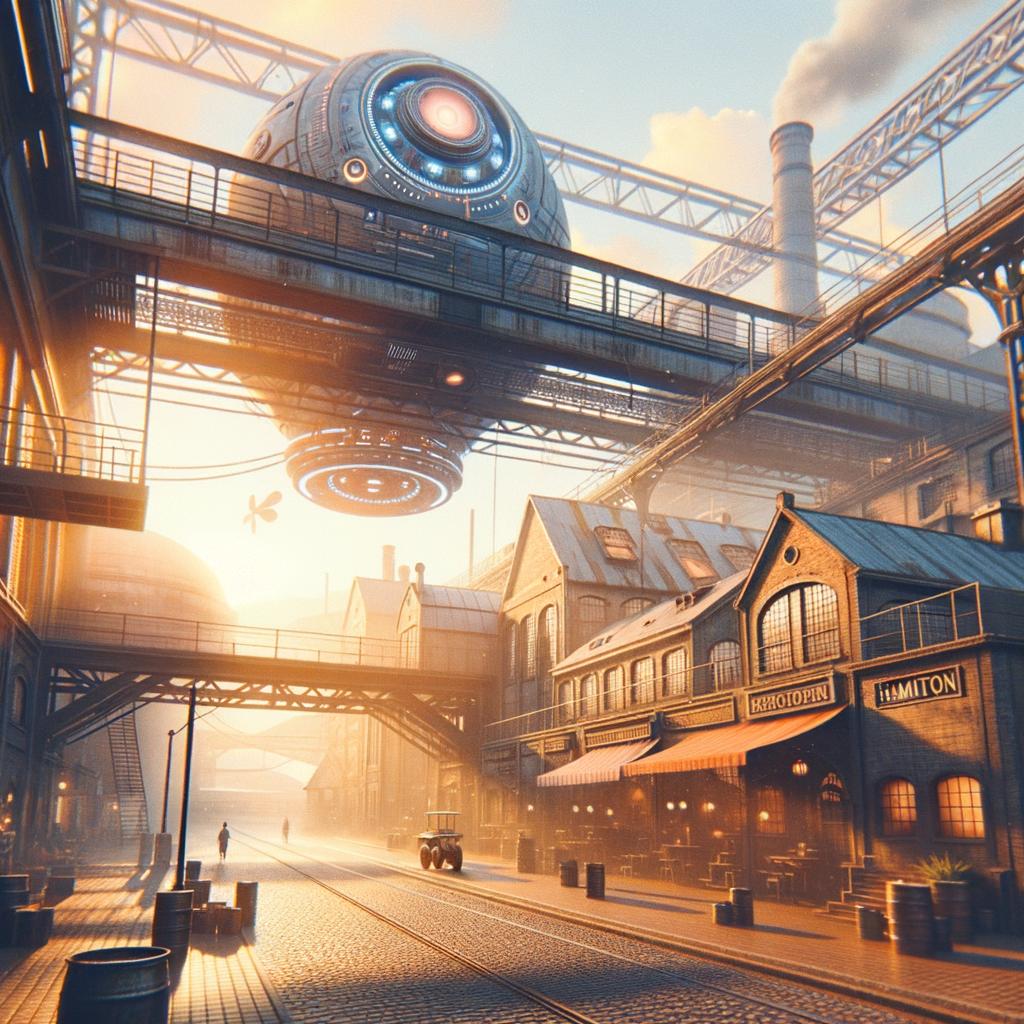
Hamilton’s history is deeply rooted in steel production, a legacy that shaped its geography and demographics for over a century. The upcoming 2025 renaissance seeks to honor this past while actively repurposing the infrastructure that once defined the region. Old warehouses and rusting mills are being converted into mixed-use spaces, blending residential lofts with modern commercial hubs. This adaptive reuse strategy preserves the architectural character that locals cherish while injecting new life into underutilized zones. By maintaining the structural integrity of these historic buildings, the city ensures that the story of the steel industry remains visible, yet it is framed within a context of modern utility and aesthetic appeal.
Green Infrastructure and Sustainable Growth
A central pillar of the 2025 plan involves a massive commitment to green infrastructure. The city is prioritizing the development of urban parks, pedestrian-friendly corridors, and expanded transit networks that reduce reliance on private vehicles. Large-scale green roofs and vertical gardens are becoming standard features in new developments, contributing to better air quality and temperature regulation. These environmental upgrades are not just cosmetic; they are strategic investments in the long-term health of the community. The integration of renewable energy sources into the grid further solidifies Hamilton’s position as a leader in sustainable urban planning, setting a benchmark for other post-industrial cities to follow.
Economic Diversification and Innovation Hubs
The economic landscape is shifting away from a singular reliance on heavy manufacturing toward a diversified mix of technology, creative industries, and advanced services. New innovation hubs are sprouting up in areas previously dominated by vacant lots, attracting startups, tech firms, and research institutions. These centers provide a collaborative environment where entrepreneurs can access mentorship, funding, and resources necessary to launch new ventures. The influx of high-growth companies is creating a ripple effect, generating jobs across various skill levels and encouraging a younger demographic to settle in the region. This economic shift is crucial for building a resilient local economy capable of weathering global market fluctuations.
Cultural Renaissance and Community Engagement
Cultural vitality is the heartbeat of this urban renewal. The 2025 initiative places a strong emphasis on public art, festivals, and community programming that reflects the diverse population of Hamilton. Public spaces are being redesigned to host open-air concerts, markets, and exhibitions, fostering a stronger sense of belonging among residents. Local artists are commissioned to create murals and installations that tell the stories of the neighborhood’s history and its evolving identity. This focus on culture ensures that the growth feels organic and inclusive, giving residents a voice in the changes taking place. The result is a vibrant public realm where people connect, celebrate, and engage with their surroundings on a daily basis.
Connectivity and Transit-Oriented Development
Improving connectivity remains a top priority as the city looks toward 2025. The expansion of the light rail system and the enhancement of bus routes are designed to link residential areas seamlessly with employment centers, educational institutions, and entertainment districts. Transit-oriented development is guiding new construction, ensuring that high-density housing is located within walking distance of major transit stops. This approach reduces congestion, lowers carbon emissions, and makes daily commutes more efficient. By prioritizing mobility, the city is making itself more accessible and attractive to residents and visitors alike, reinforcing the idea that Hamilton is a place where movement and opportunity go hand in hand.
Looking Ahead to 2025
As the clock ticks toward 2025, the Steel City Renaissance is proving to be a powerful force for positive change. The convergence of heritage preservation, environmental sustainability, economic innovation, and cultural enrichment creates a holistic vision for the future. This transformation is not just about building new structures; it is about cultivating a community that values its roots while boldly stepping into a new era. Hamilton is poised to emerge as a model for urban renewal, demonstrating how a city can evolve without losing its soul. The next few years will be critical in solidifying these gains, ensuring that the momentum continues to drive progress and prosperity for all residents.