Exploring Canadas Unique Geological Formations
Posted on September 7, 2025 • 4 minutes • 801 words
Table of contents
Canada, a country renowned for its breathtaking landscapes, is home to some of the most unique geological formations in the world. From towering mountains and vast plateaus to awe-inspiring canyons and serene lakes, the geological diversity found across the provinces and territories offers a fascinating glimpse into the Earth’s history. Each formation tells a story of ancient processes, climate changes, and the relentless forces of nature that have shaped the land over millions of years. Whether you are an avid hiker, a geology enthusiast, or simply someone looking to connect with nature, exploring Canada’s geological wonders promises an unforgettable experience.
The Canadian Shield: A Geological Wonder
One of the most significant geological formations in Canada is the Canadian Shield, which covers nearly half of the country. This vast area, characterized by exposed Precambrian rock, is one of the oldest geological formations on the planet. The Shield stretches from the Great Lakes up to the Arctic Circle, encompassing parts of Quebec, Ontario, Manitoba, Saskatchewan, and Newfoundland and Labrador.
Visitors to the Canadian Shield can explore its rugged terrain, dotted with pristine lakes and dense forests. The region is also rich in minerals, making it a hotspot for mining activities. For outdoor enthusiasts, this area offers countless opportunities for hiking, fishing, and camping, allowing for a deep appreciation of Canada’s natural beauty and geological history.
The Rocky Mountains: Majestic Peaks and Valleys
The Canadian Rockies, stretching from British Columbia to Alberta, are another iconic geological formation that attracts millions of visitors each year. These majestic mountains, known for their towering peaks and deep valleys, were formed through a combination of tectonic activity, erosion, and glaciation. The result is a breathtaking landscape featuring sharp ridges, deep canyons, and stunning glacial lakes.
Banff and Jasper National Parks, located within the Rockies, provide access to some of the most spectacular views in the country. Hikers can traverse trails that lead to panoramic vistas, while those seeking a more leisurely experience can take scenic drives through the mountains. The unique geology of the Rockies is also a point of interest for geologists and nature lovers alike, offering insights into the Earth’s geological past.
The Bay of Fundy: A Natural Phenomenon
The Bay of Fundy, located between New Brunswick and Nova Scotia, is famous for having the highest tides in the world, with differences of up to 16 meters (52 feet) between high and low tide. This remarkable geological phenomenon is not only a sight to behold but also creates a unique ecosystem that supports diverse marine life.
Visitors to the Bay of Fundy can witness the dramatic changes in the landscape as the tides ebb and flow, exposing sea cliffs and stunning rock formations. The Hopewell Rocks, also known as the Flowerpot Rocks, are a must-see. These towering sea stacks have been sculpted by the relentless action of the tides over thousands of years, creating a striking visual display of nature’s artistry.
The Badlands of Alberta: A Window to the Past
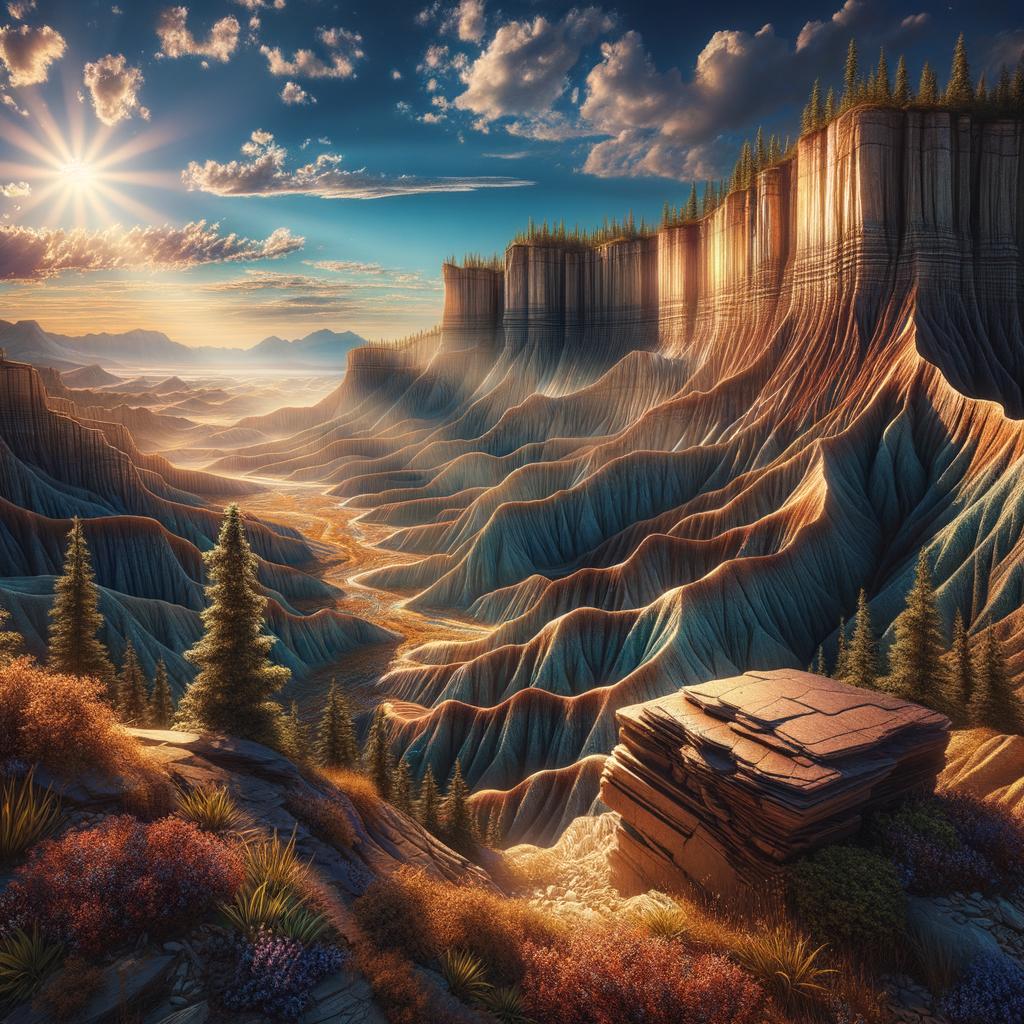
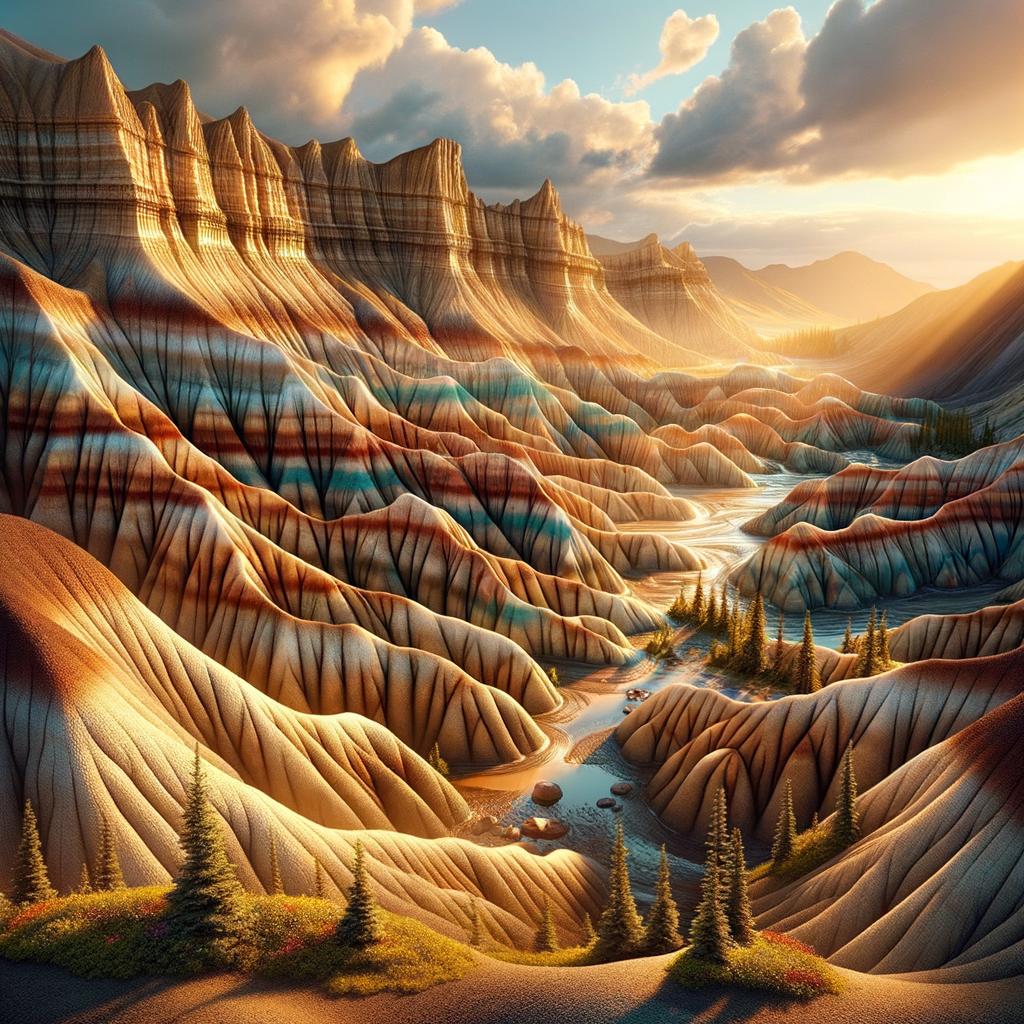
The Badlands of Alberta, particularly in Drumheller, showcase an entirely different geological environment. This area is known for its striking hoodoos, deep ravines, and fossil-rich landscapes. The unique topography was shaped by erosion processes, revealing layers of sedimentary rock that tell the story of ancient ecosystems.
The Royal Tyrrell Museum in Drumheller offers visitors an opportunity to learn about the prehistoric life that once inhabited this region. Fossil discoveries have included dinosaur bones and other ancient organisms, making it a significant site for paleontological research. The Badlands provide an intriguing glimpse into Canada’s geological and biological past, attracting scientists and tourists alike.
The Northern Territories: Glaciers and Icefields
In Canada’s northern territories, glaciers and icefields dominate the landscape. The Nahanni National Park Reserve in the Northwest Territories is home to the famous Virginia Falls, which drops dramatically into the Nahanni River. The region is characterized by rugged mountains, pristine rivers, and extensive icefields, offering a unique geological experience.
Visitors to the northern territories can explore this breathtaking wilderness through hiking, canoeing, and guided tours. The stark beauty of the glaciers and the vibrant blue of glacial lakes create a striking contrast against the rocky landscape, making it a photographer’s paradise and a must-visit for nature lovers.
Conclusion: Embracing Canada’s Geological Diversity
Canada’s unique geological formations offer a rich tapestry of natural beauty, history, and adventure. From the ancient rocks of the Canadian Shield to the majestic peaks of the Rockies, each region presents its own distinct character and geological story. Exploring these formations not only provides an opportunity to appreciate the stunning landscapes but also fosters a deeper understanding of the Earth’s geological processes. Whether you’re trekking through the Badlands or marveling at the tides of the Bay of Fundy, Canada invites you to embrace its geological diversity and discover the wonders of its natural world.