Exploring Canadas Iconic Great Lakes
Posted on October 12, 2026 • 5 minutes • 941 words
Table of contents
- What are Canada’s iconic Great Lakes and where are they located?
- What are the top activities for backpackers along Canada’s Great Lakes?
- How can travelers access Canada’s Great Lakes for backpacking trips?
- What is the best time to explore Canada’s Great Lakes?
- Which natural and cultural landmarks are must-see in the Great Lakes region?
- Frequently Asked Questions
Canada’s Great Lakes present an incredible opportunity for outdoor adventurers, nature lovers, and cultural explorers alike. These vast bodies of freshwater shape much of the country’s landscape, offering stunning views, vibrant cities along their shores, and numerous recreational activities. Whether you’re planning a backpacking trip or simply want to learn more about this remarkable region, understanding the unique features of each lake and what they offer can help create an enriching travel experience.
What are Canada’s iconic Great Lakes and where are they located?
The Great Lakes consist of five interconnected freshwater lakes that border Canada and the United States. Canada touches four of these lakes, which include Lake Superior, Lake Huron, Lake Erie, and Lake Ontario. The lakes form part of the largest group of freshwater lakes on Earth by total area.
- Lake Superior – the largest freshwater lake in the world by surface area, located in Ontario and Minnesota/Michigan in the U.S.
- Lake Huron – east of Lake Superior, shares a border with Ontario and Michigan.
- Lake Erie – south of Huron, borders Ontario and states like Ohio and Pennsylvania.
- Lake Ontario – the smallest of the five, lying between Ontario and New York.
Each lake is distinct with varying shorelines, islands, and ecosystems. They flow into each other through rivers and straits, ultimately draining through the St. Lawrence River into the Atlantic Ocean.
What are the top activities for backpackers along Canada’s Great Lakes?
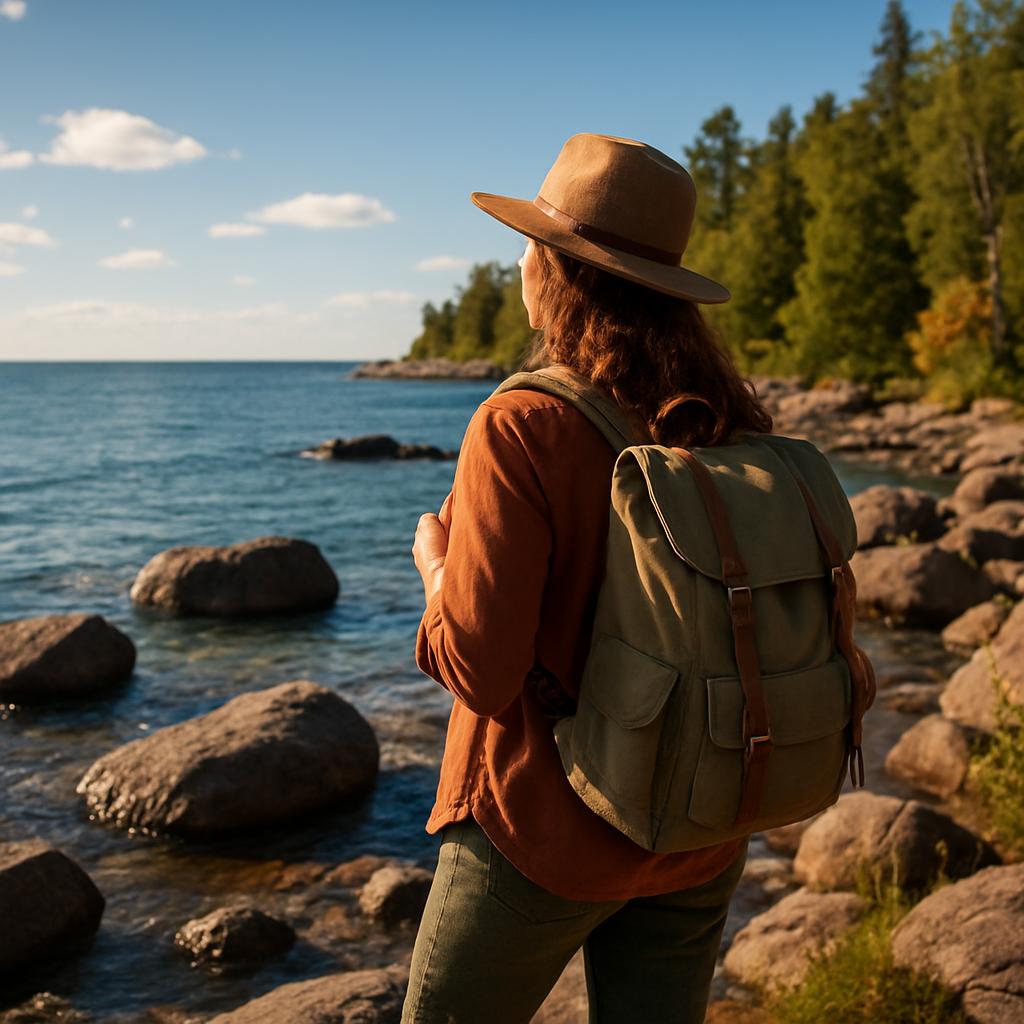
Backpackers looking to explore the Great Lakes region will find plenty of natural and cultural highlights to keep them busy. The lakeshores are dotted with hiking trails, beaches, parks, and quaint towns.
- Hiking & Nature Walks: Trails like the Bruce Trail along Lake Ontario and the Lake Superior Coastal Trail offer incredible views of cliffs, forests, and freshwater stretches.
- Kayaking & Canoeing: Exploring the calm bays, islands, and inlets by kayak or canoe is a peaceful way to experience the water and spot local wildlife.
- Camping: Numerous provincial parks such as Lake Superior Provincial Park or Sleeping Giant Provincial Park provide excellent camping spots close to pristine shorelines.
- Wildlife Watching: Birdwatching is popular around wetland areas and migratory bird routes. You might also see deer, foxes, or aquatic mammals.
- Local Food & Culture: Enjoying fresh Great Lakes fish, wines from vineyards along the shore, and small town markets adds a cultural layer to outdoor adventures.
How can travelers access Canada’s Great Lakes for backpacking trips?
Getting to different parts of the Great Lakes in Canada is relatively straightforward thanks to public transportation, highways, and nearby airports. Backpackers can plan routes using a combination of transport types.
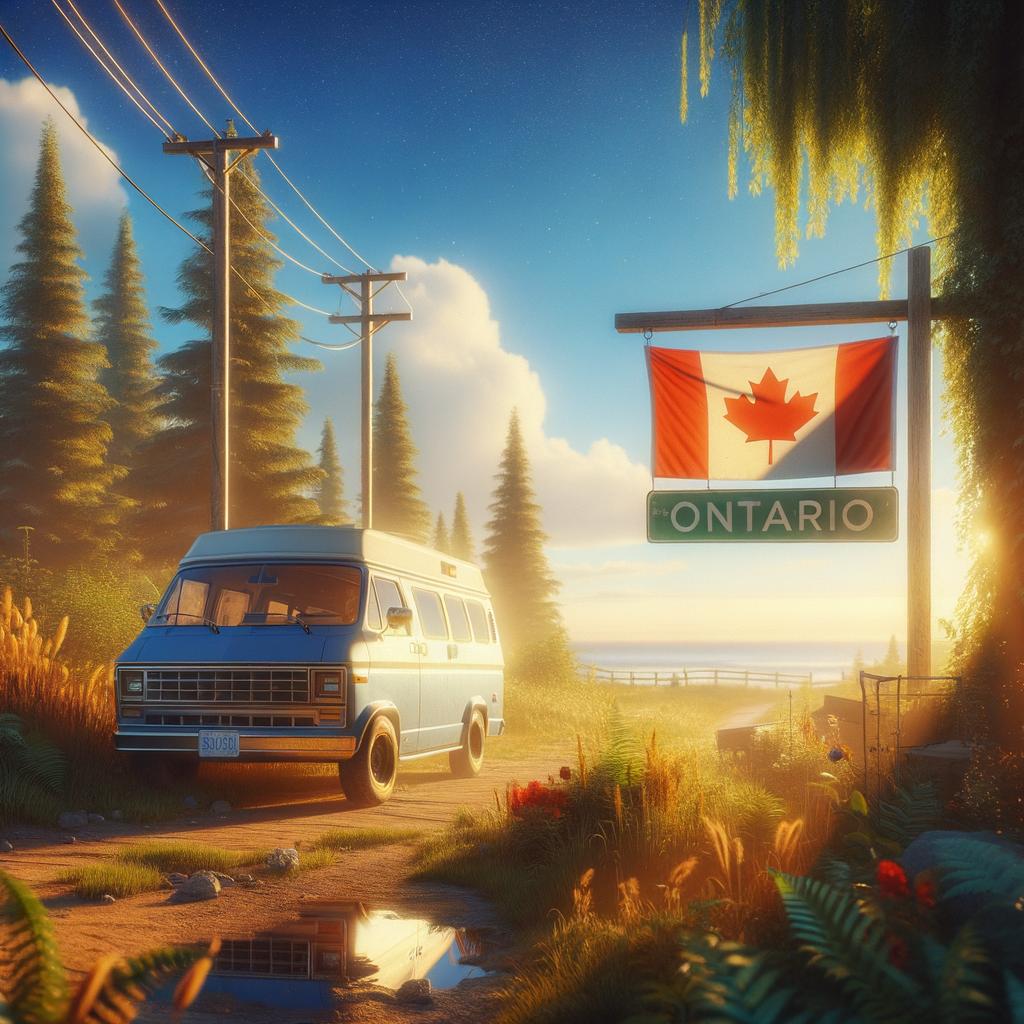
- By Car or Campervan: Driving offers flexibility to explore remote spots and stay overnight at campgrounds.
- Public Transit: Some cities like Toronto and Hamilton on Lake Ontario have transit connections to trails and parks nearby.
- Ferries: For island exploration, ferries operate on Lake Huron (connecting to Manitoulin Island) and across other lakes.
- Airports: Regional airports near the lakes include Thunder Bay (Lake Superior) and Hamilton or Toronto (Lake Ontario).
Planning routes in advance helps maximize visits to key hiking trails and natural sites while balancing transportation options.
What is the best time to explore Canada’s Great Lakes?
Seasons around the Great Lakes can create different traveling experiences, and weather conditions vary depending on the lake’s location. Late spring through early fall is often the best period for backpacking and outdoor activities due to milder temperatures and less rainfall.
- Spring (April to June): Blossoming wildflowers and migratory birds return; some trails might still be wet or muddy.
- Summer (July to August): Warmest temperatures, ideal for swimming, boating, and camping; higher tourist numbers.
- Fall (September to early November): Stunning fall foliage around forests; cooler temperatures but less crowded.
- Winter (December to March): Harsh cold, ice, and snow limit hiking; great for winter sports closer to urban centers but not ideal for backpacking.
Pack accordingly and check regional weather forecasts to plan the perfect time to visit.
Which natural and cultural landmarks are must-see in the Great Lakes region?
The Great Lakes region contains many natural wonders and cultural attractions that enrich travel experiences beyond the water itself.
- Sleeping Giant Provincial Park: Located on the north shore of Lake Superior, known for its dramatic cliffs and giant rock formations.
- Manitoulin Island: The world’s largest freshwater island on Lake Huron, with indigenous communities and unique cultural experiences.
- Niagara Falls (Lake Ontario): Iconic waterfalls between Lake Erie and Lake Ontario accessible from the Canadian side near Niagara Falls, Ontario.
- Mackinac Island (near Lake Huron): A car-free island with historic sites and beautiful coastal scenery.
- Toronto Waterfront: A vibrant urban area along Lake Ontario with parks, trails, and cultural festivals.
These landmarks provide diverse opportunities for sightseeing, photography, and learning about regional history.
Frequently Asked Questions
What are the main Great Lakes in Canada I should visit on a backpacking trip?
Lake Superior, Lake Huron, Lake Erie, and Lake Ontario all have accessible shorelines in Canada with numerous hiking and camping opportunities. Each offers distinct natural beauty and activities.
How do I reach popular hiking trails along Canada’s Great Lakes?
Many trails are accessible by car and often located inside provincial parks. For public transit access, check regional bus routes and local shuttle services that connect cities to trailheads.
When is the best season for backpacking around the Great Lakes?
Late spring through early fall, particularly from May to September, provides the best weather for hiking, camping, and water activities.
Are there camping sites near Canada’s Great Lakes?
Yes, several provincial parks such as Lake Superior Provincial Park and Pinery Provincial Park on Lake Huron and Erie respectively provide well-maintained campgrounds with lake access.