Edmonton 2025 Northern Lights City Guide
Posted on March 20, 2026 • 5 minutes • 916 words
Table of contents
Edmonton 2025 Northern Lights City Guide
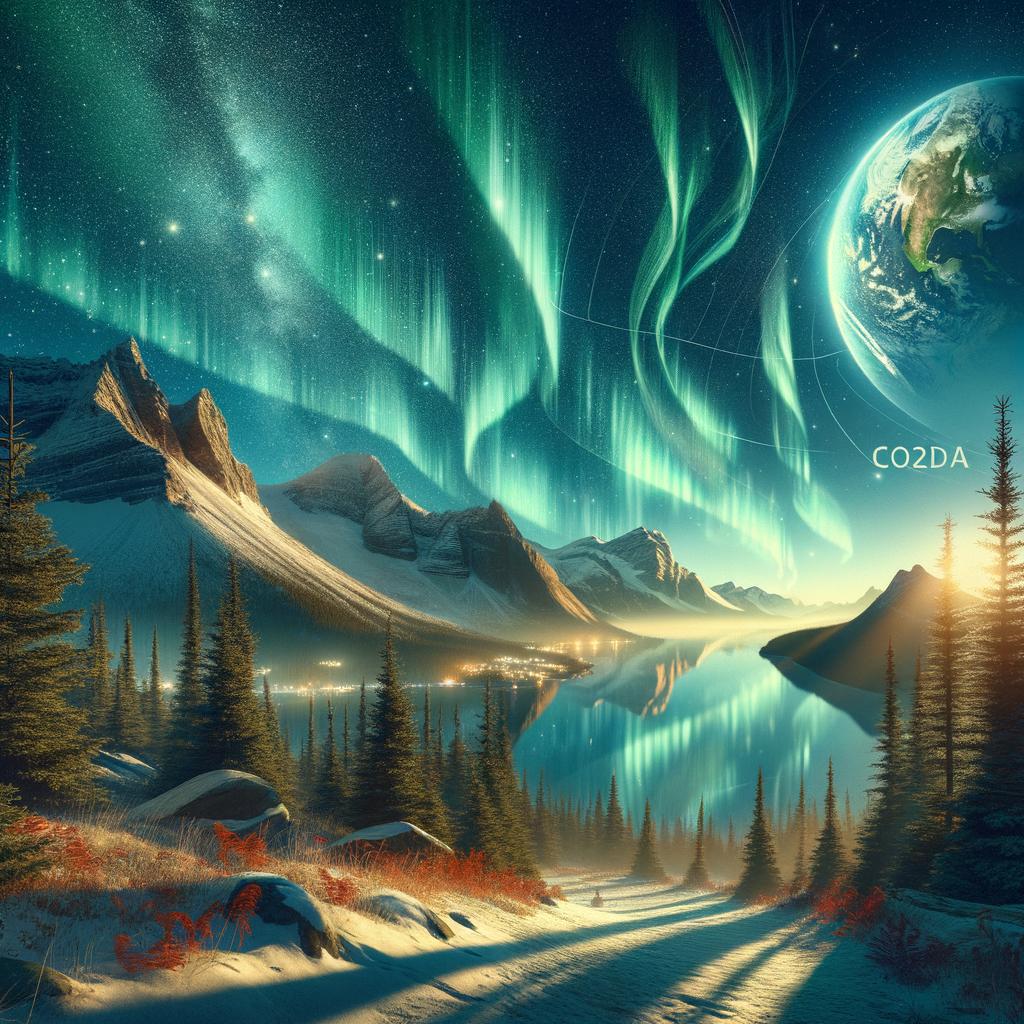
The moment the sun dips below the western horizon and the sky shifts from a deep indigo to a pitch-black canvas, the true magic of Edmonton begins. For visitors and locals alike, the arrival of the aurora borealis transforms this bustling Alberta city into a premier destination for celestial observation. As we approach 2025, the opportunity to witness these shimmering curtains of green and violet light has become even more accessible, thanks to improved viewing spots and a growing awareness of the best times to look up. This guide will walk you through the essential locations, timing strategies, and local experiences that define the aurora season in the capital of Alberta, ensuring your trip is filled with unforgettable moments under the stars.
Understanding the Aurora Season in Edmonton
The Northern Lights are not a year-round spectacle in Edmonton, but the window for viewing is surprisingly long compared to many other locations. The peak season typically stretches from late August through early April, with the darkest nights occurring between September and March. During these months, the solar activity often aligns with the Earth’s magnetic field in a way that makes the lights visible even within city limits. The year 2025 promises strong solar cycles, meaning the frequency of active auroral events could be higher than average. To catch the show, you need to look during the hours of deepest darkness, usually between 9:00 PM and 2:00 AM. Checking the KP index and weather forecasts daily is the most reliable way to plan your viewing sessions. Clear skies and minimal cloud cover are the only real prerequisites for a successful sighting.
Top Viewing Locations Within City Limits
One of the most surprising aspects of Edmonton is that you do not need to drive hours into the wilderness to see the aurora. The city’s layout and surrounding geography offer several excellent vantage points where the light pollution is manageable. Fort Edmonton Park provides a wide, open field away from the densest streetlights, making it a favorite for families. The north side of the North Saskatchewan River Valley, particularly near the High Level Bridge, offers a dramatic backdrop where the lights can appear to dance over the river and the city skyline. For a more secluded experience, the Royal Alberta Museum parking lot or the trails along the Mill Woods area provide darker skies. If you venture slightly further out, the outskirts near Leduc or St. Albert offer a significant reduction in artificial light, allowing the aurora to display its full intensity without interference from streetlamps or building glow.
Gear Up for a Cold Night Out
Winter nights in Edmonton are cold, and waiting for the aurora requires patience. Proper preparation is key to enjoying the experience rather than suffering through the cold. Dressing in layers is the standard advice, but you must prioritize thermal insulation for your extremities. A warm hat that covers the ears, insulated gloves, and thick wool socks are non-negotiable. Your footwear should be waterproof and provide good traction, as the ground can be icy. Beyond clothing, bring a thermos with a hot beverage to keep your core temperature stable. A tripod is also essential if you plan to take photographs, as long exposure shots are necessary to capture the movement of the lights. Without stabilization, the aurora will appear as a blur in your camera.
Photography Tips for Capturing the Aurora
Capturing the Northern Lights requires a different approach than standard night photography. You will need a camera with manual settings and a wide-angle lens to encompass the vastness of the sky. Set your camera to a high ISO, typically between 1600 and 3200, to increase sensitivity to light. Use a wide aperture, such as f/2.8 or lower, to let in as much light as possible. The shutter speed should be between 5 and 15 seconds; longer exposures can cause the moving lights to blur too much, while shorter ones may not capture enough detail. Focus your lens to infinity and then back off slightly, as the autofocus often struggles in the dark. Bracketing your shots by taking multiple exposures at different settings will increase your chances of getting the perfect image.
Local Events and Aurora Festivals
Edmonton embraces the Northern Lights with enthusiasm, often hosting events that celebrate the phenomenon. Keep an eye on the city’s event calendar for 2025, as organizers frequently plan “Aurora Watch Parties” at local parks or cultural centers. These gatherings provide a warm atmosphere with food vendors, live music, and expert guides who can explain the science behind the lights. Participating in these events allows you to connect with other enthusiasts and learn from local astronomers. Even if you do not attend a formal event, the city’s atmosphere changes during aurora season, with a shared sense of excitement among residents who look up at the sky with anticipation.
Making Memories Under the Sky
Witnessing the Northern Lights is a profound experience that connects you to the natural world. It is a reminder of the dynamic relationship between our planet and the sun. Whether you are standing on a quiet trail or watching from a city park, the spectacle offers a sense of awe that is hard to replicate. Plan your visit with flexibility, as nature dictates the timing. Pack your gear, bundle up against the cold, and step outside. The 2025 season in Edmonton offers a unique chance to see the sky come alive with color, creating memories that will last a lifetime.