Budget-Friendly Tips for Exploring Canada’s National Parks
Posted on October 16, 2026 • 5 minutes • 865 words
Table of contents
- How can I save money on park entry fees for Canada’s national parks?
- What are budget-friendly accommodation options in Canada’s national parks?
- How can I plan budget-friendly activities in Canadian national parks?
- What are smart tips for saving on food while visiting national parks?
- How can I find affordable transportation options to and within Canada’s national parks?
- Frequently Asked Questions
Exploring Canada’s national parks can feel like a dream come true, but many travelers worry about the costs involved. Fortunately, you don’t need a lavish budget to experience the natural beauty and diverse wildlife these parks offer. With a bit of planning and resourcefulness, you can enjoy breathtaking hikes, serene lakes, and wildlife sightings without breaking the bank. Here’s how to make the most of Canada’s national parks on a limited budget.
How can I save money on park entry fees for Canada’s national parks?
Entry fees vary across Canada’s national parks, but there are several ways to reduce or bypass these costs.
- Purchase a Parks Canada Discovery Pass: If you plan to visit multiple parks in one year, this pass covers entry for one person or family for all participating national parks, parks reserves, and historic sites.
- Visit during free admission days: Parks Canada offers free entry on certain holidays such as National Indigenous Peoples Day and Canada Day.
- Look for local promotions: Some parks partner with communities or organizations to offer discounted or free access on specific dates.
- Explore lesser-known parks: Smaller or less-trafficked parks often have lower entrance fees or none at all.
- Volunteer opportunities: Some parks provide free entry in exchange for volunteering with conservation efforts.
Knowing when and where to enter can contribute significantly to saving on your overall trip budget.
What are budget-friendly accommodation options in Canada’s national parks?
Accommodation costs can quickly add up, but budget travelers have plenty of alternatives beyond traditional hotels.
- Camping: Most national parks offer campgrounds that are often the most affordable option. Sites vary from basic tent pitches to spots with electrical hookups.
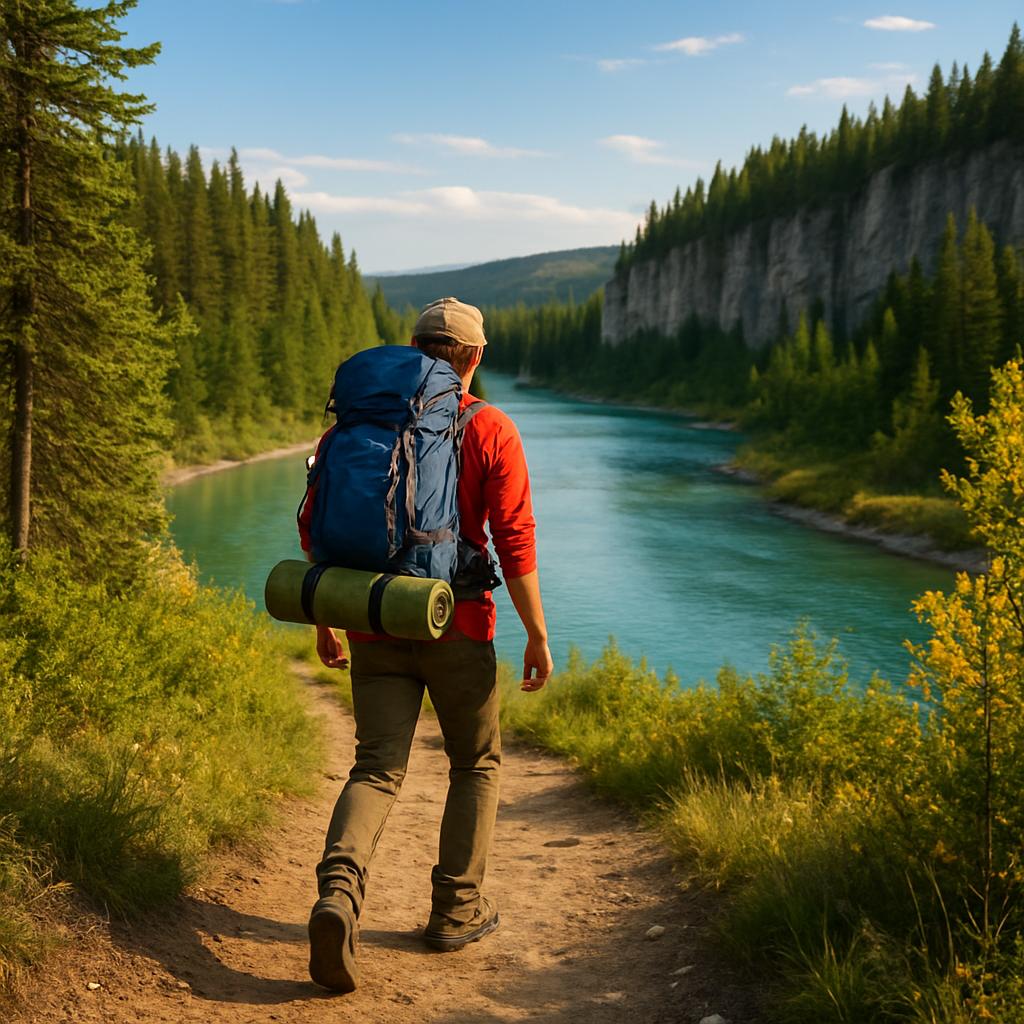
- Backcountry camping: For those willing to hike into more remote areas, backcountry camping provides solitude and reduced fees.
- Hostels or cabins nearby: Many towns surrounding national parks have affordable hostel or cabin rentals that function as a great base.
- Stay in a vehicle: Some parks permit overnight parking for RVs or vehicles, costing less than campgrounds.
- Use booking apps: Sometimes last-minute deals can be found on apps or websites for nearby accommodations.
Reserve early to secure the best spots and save money, especially in peak seasons.
How can I plan budget-friendly activities in Canadian national parks?
There are plenty of free or low-cost activities to enjoy inside these parks while soaking in the natural environment.
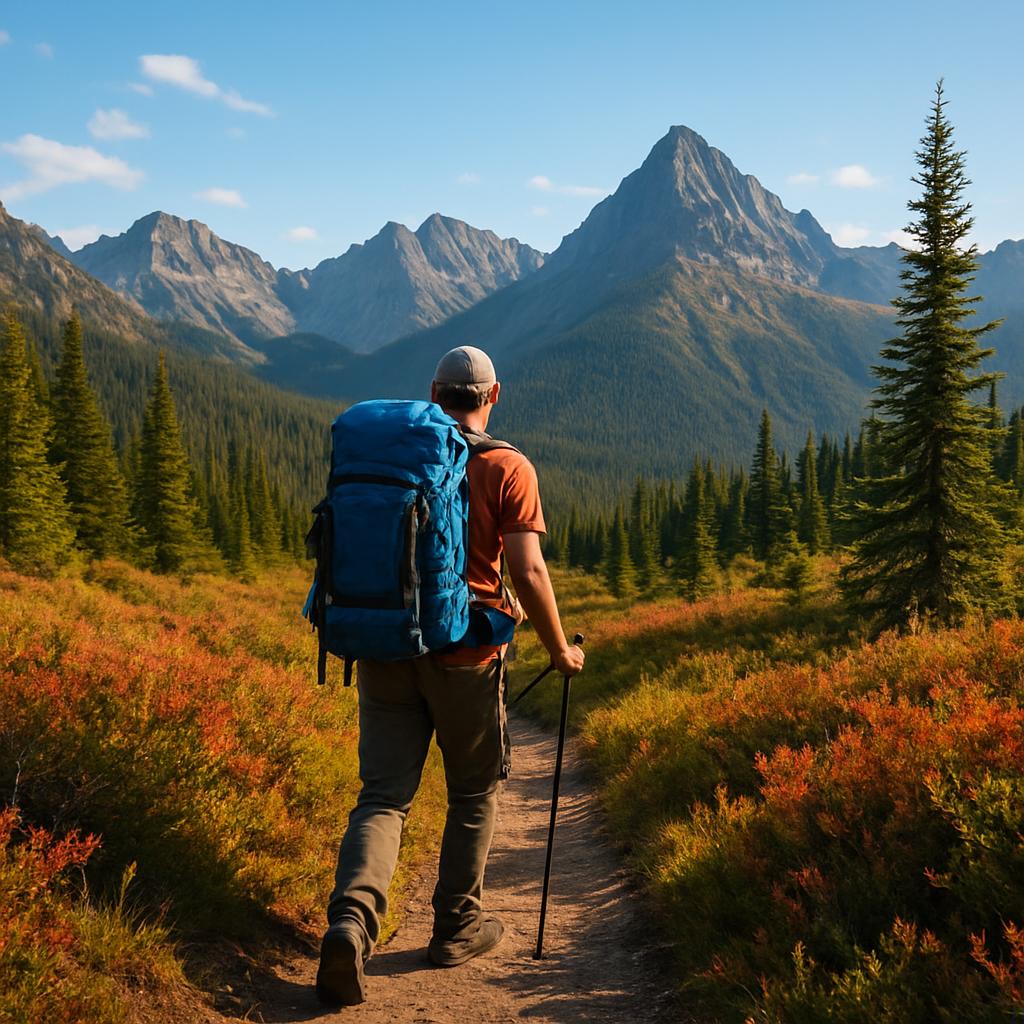
- Hiking and trail walking: Trails range from easy strolls to challenging hikes, all free once inside the park.
- Wildlife watching: Keep an eye out for bears, moose, wolves, and various bird species without any extra cost.
- Swimming and fishing: Some parks have designated swimming areas and permit fishing with a license at reasonable prices.
- Guided ranger programs: Many parks offer free or low-cost ranger-led walks, talks, and workshops.
- Photography: Capture stunning images of landscapes and animals; nature is your endless muse.
Avoid costly tours or attractions by utilizing the park’s natural resources and self-guided activities.
What are smart tips for saving on food while visiting national parks?
Food expenses can quickly increase, especially if relying on park restaurants and shops.
- Bring your own food: Pack non-perishable items like granola bars, nuts, and canned foods to avoid buying expensive snacks.
- Cook your meals: Campgrounds often have communal fire pits or picnic tables where you can prepare your food.
- Use refillable water bottles: Save money and stay hydrated by refilling water at designated stations.
- Shop local grocery stores: Purchasing groceries before arriving at the park can help reduce costs.
- Avoid touristy spots: Food vendors near park entrances or popular sites tend to be pricier.
With a little meal prep, you can easily keep your food expenses under control.
How can I find affordable transportation options to and within Canada’s national parks?
Getting to and moving around the parks efficiently and cheaply is crucial for budget traveling.
- Carpool or rideshare: Splitting gas costs with other travelers is economical and reduces environmental impact.
- Public transit: Some parks are accessible via buses or shuttles from nearby cities or towns.
- Bike rentals: Bicycles provide a green and inexpensive way to explore the parks’ flatter routes.
- Walk when possible: Many sites within parks are best explored on foot.
- Plan your trip off-peak: Traveling outside of high season often means lower fuel and transit prices.
Timing your travel and choosing cost-effective transport modes can maximize your adventure without overspending.
Frequently Asked Questions
What is the cheapest way to visit multiple Canadian national parks?
The Parks Canada Discovery Pass offers unlimited entry to over 80 national parks and historic sites for one year, making it the most affordable option if you plan to visit several places.
Are there free campground options in Canada’s national parks?
While most campgrounds have fees, some national parks have free backcountry camping sites. You should check park regulations and secure permits if required.
How early should I book campsites in popular Canadian parks?
Booking as early as possible, often several months ahead, is recommended since campsites fill quickly, especially in summer.
Can I save money by visiting national parks in the shoulder season?
Yes, visiting parks in spring or fall can lower costs for accommodation and transportation and reduce crowds. Many trails and attractions remain open during these times.