Best Time to Visit the Robson Valley
Posted on February 27, 2026 • 5 minutes • 945 words
Table of contents
- Where Is the Robson Valley?
- Visiting the Robson Valley in Summer (June to September)
- Exploring the Robson Valley in Fall (Late September to October)
- Winter in the Robson Valley (November to March)
- Spring in the Robson Valley (April to May)
- Month-by-Month Breakdown
- Best Time to Visit the Robson Valley for Specific Interests
- Weather Considerations in the Robson Valley
- So, When Is the Best Time to Visit the Robson Valley?
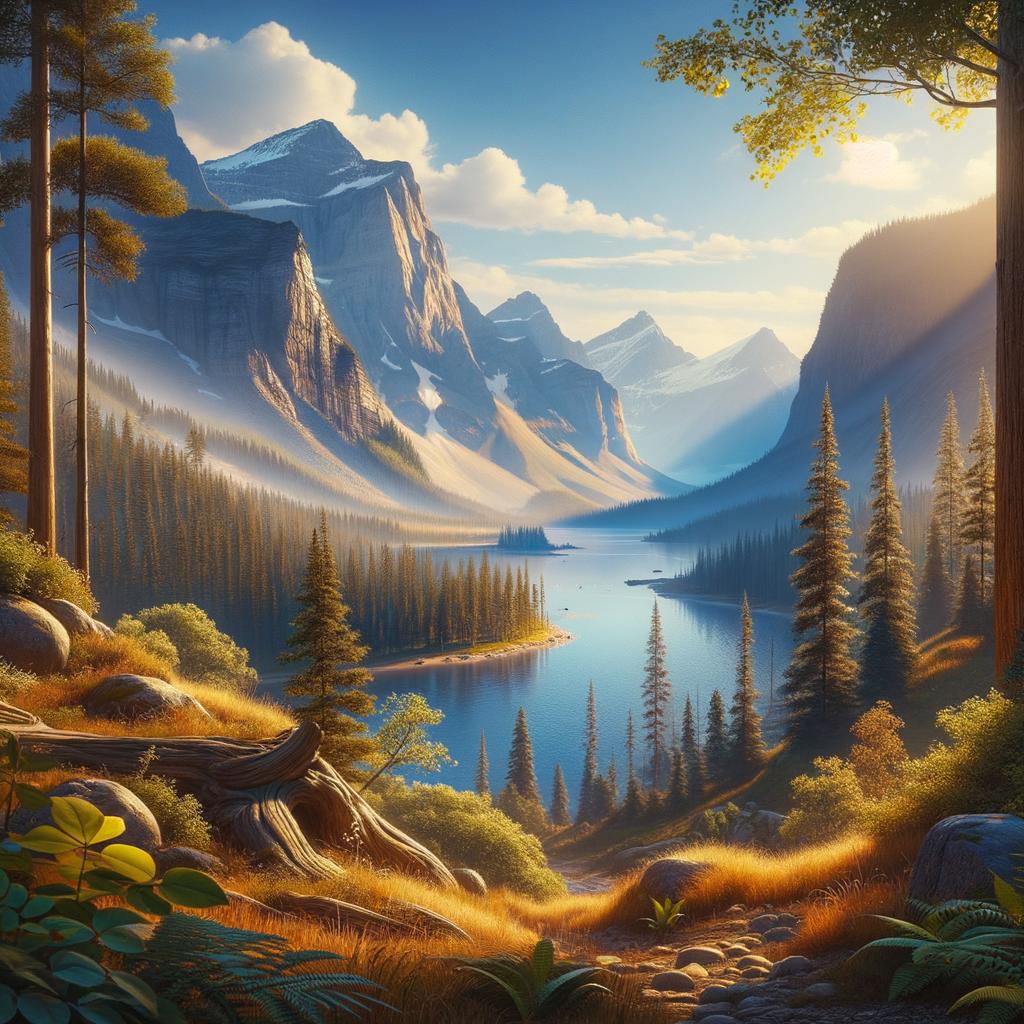
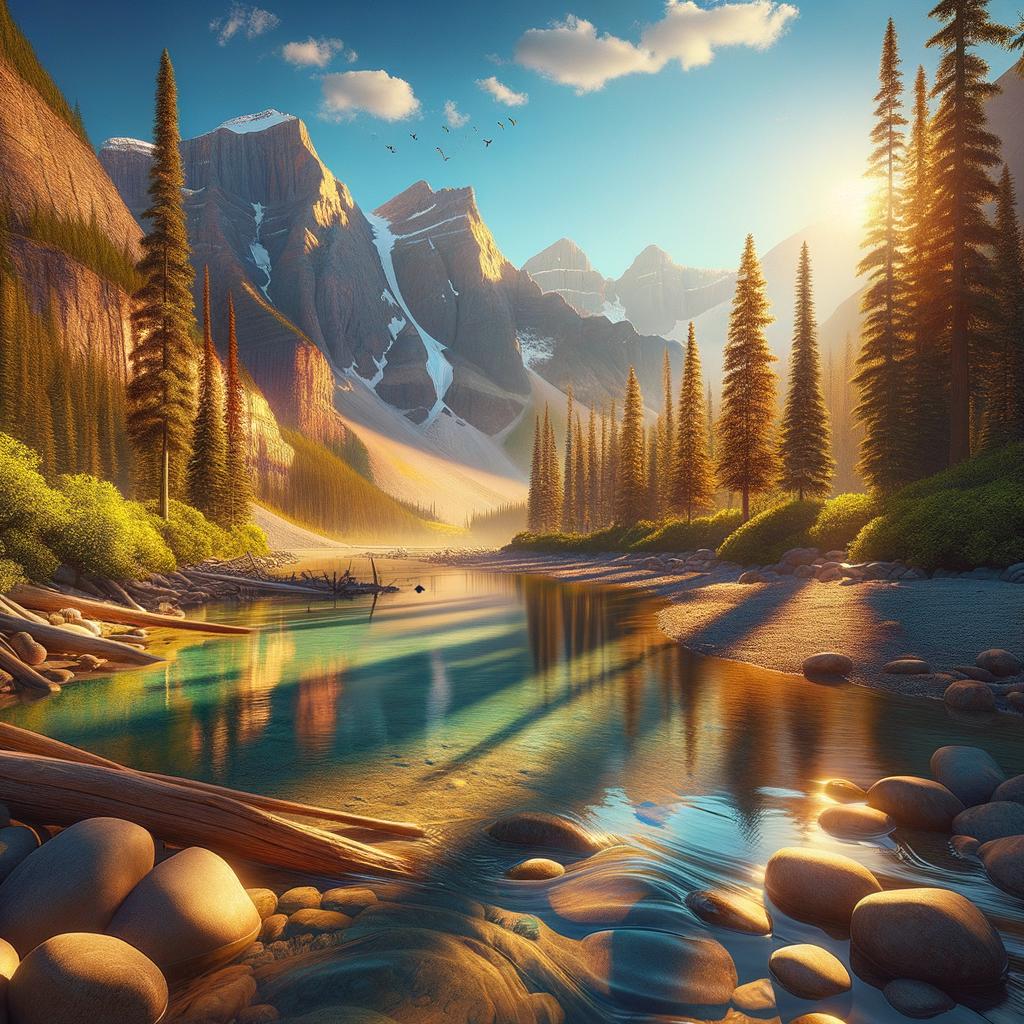
Snow-capped peaks, turquoise rivers, and quiet mountain towns draw travelers to the Robson Valley year-round. Set in east-central British Columbia along the Yellowhead Highway, this stunning region offers dramatic scenery and uncrowded wilderness in every season. Choosing the best time to visit the Robson Valley depends on what you want from your trip—wildflower hikes, wildlife viewing, powder-filled ski days, or peaceful autumn drives beneath golden larches.
Where Is the Robson Valley?
The Robson Valley stretches between the Cariboo and the Canadian Rockies, with communities such as Valemount, McBride, Dunster, and Tête Jaune Cache. Mount Robson, the highest peak in the Canadian Rockies, towers over the region and anchors many travel plans. The area is known for provincial parks, backcountry trails, glacier-fed rivers, and a relaxed pace that feels far removed from crowded resort towns.
Understanding seasonal changes in the Robson Valley will help you pick the right month for your adventure.
Visiting the Robson Valley in Summer (June to September)
Summer is the most popular time to visit the Robson Valley. Warm temperatures, long daylight hours, and accessible hiking trails make this season ideal for outdoor recreation.
Why Summer Is a Top Choice
- Average daytime temperatures range from 18°C to 25°C (64°F to 77°F).
- Berg Lake Trail and Mount Robson Provincial Park are typically snow-free by late June or early July.
- Canoeing, rafting, and paddleboarding on the Fraser River are at their peak.
- Wildflowers bloom across alpine meadows in July.
July and August bring the warmest weather and the best trail conditions. Campgrounds and popular hikes see more visitors, though the region still feels peaceful compared to larger tourist destinations in British Columbia.
September offers cooler air and fewer travelers. Fall colors begin to appear late in the month, creating striking photo opportunities around Mount Robson and Kinbasket Lake.
Best for: hiking, camping, paddling, wildlife photography, road trips.
Exploring the Robson Valley in Fall (Late September to October)
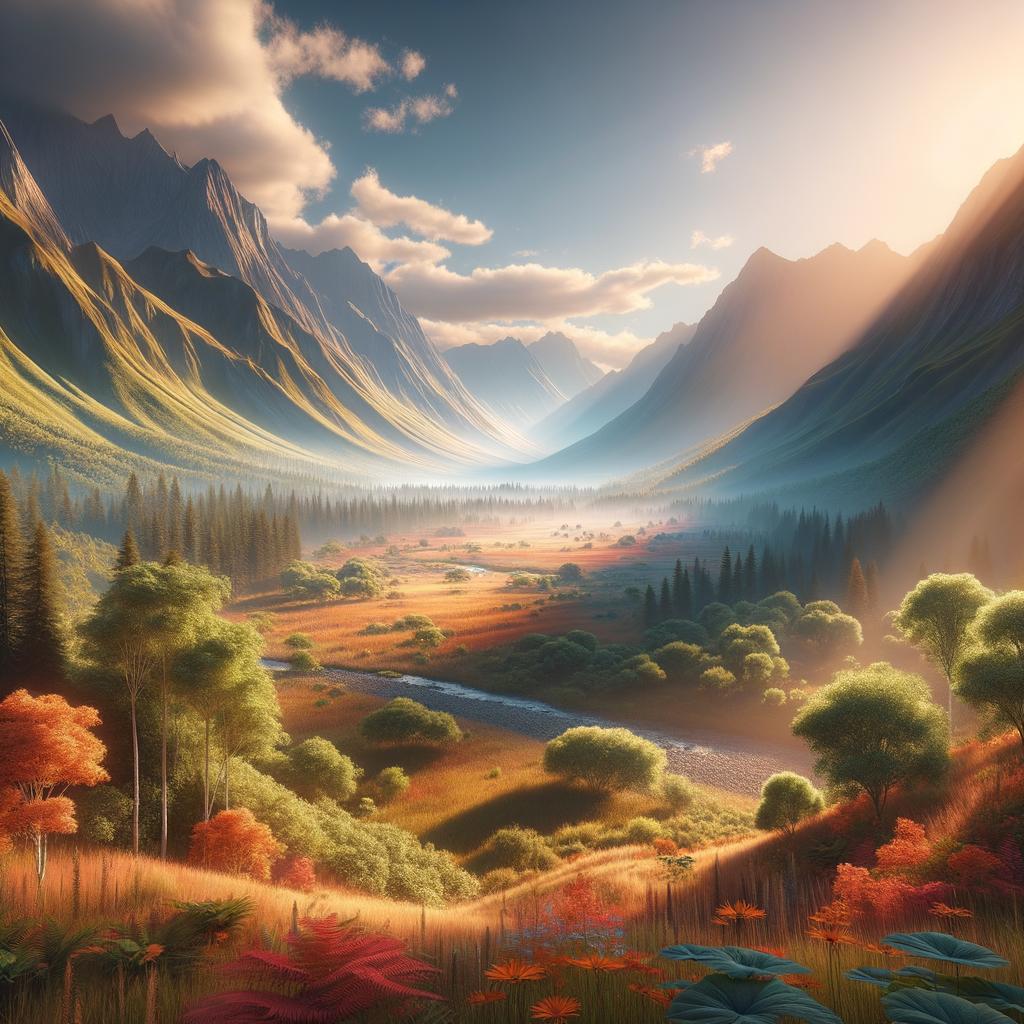
Autumn in the Robson Valley is short yet spectacular. Golden aspens and larches transform hillsides into glowing patches of color. Crisp mornings and quiet trails create a calm atmosphere that appeals to photographers and couples seeking a serene escape.
Temperatures range from 5°C to 15°C (41°F to 59°F). Snow can arrive in higher elevations by mid-October, which may limit access to alpine routes.
Wildlife activity increases as animals prepare for winter. Moose and elk sightings become more frequent near wetlands and forest edges.
Best for: scenic drives, photography, wildlife viewing, quiet getaways.
Winter in the Robson Valley (November to March)
Snow lovers will find plenty to enjoy during winter in the Robson Valley. Valemount has earned a reputation for deep powder and excellent snowmobiling terrain. Cariboo and Monashee mountain ranges collect significant snowfall, creating prime conditions for backcountry adventures.
Winter Activities
- Snowmobiling in the Cariboo Mountains
- Cross-country skiing and snowshoeing
- Ice fishing
- Northern lights viewing on clear nights
Temperatures often range from -5°C to -15°C (23°F to 5°F), with colder snaps possible in January. The snow season often begins in late November and can last into April at higher elevations.
Travelers who enjoy quiet winter scenery and outdoor sports will find this season rewarding. Accommodation rates may be lower outside peak snowmobiling periods.
Best for: snowmobiling, winter sports, northern lights, peaceful retreats.
Spring in the Robson Valley (April to May)
Spring is a transitional season in the Robson Valley. Snow melts at lower elevations, rivers swell with runoff, and wildlife emerges from winter habitats.
April can still feel wintry, especially in the mountains. By May, valley trails begin to clear, and fresh greenery appears across the region.
This season offers a slower travel pace and lower accommodation costs. Trail access at higher elevations may remain limited until early summer.
Best for: budget travel, early wildlife viewing, quiet nature walks.
Month-by-Month Breakdown
June
Mild temperatures and blooming wildflowers. Some high-elevation trails may still have snow early in the month.
July
Warm, sunny days and ideal hiking conditions. Peak season for Mount Robson Provincial Park.
August
Consistently warm weather with great river conditions. Popular for camping and water sports.
September
Cooler days and golden foliage. Fewer visitors and excellent photography light.
October
Crisp air and increasing snowfall at higher elevations. Many services begin to close for the season.
November to March
Snow-covered scenery and prime winter sports conditions.
April and May
Snowmelt, rising rivers, and emerging wildlife. Quiet trails at lower elevations.
Best Time to Visit the Robson Valley for Specific Interests
- Hiking Mount Robson: July through early September
- Wildlife Viewing: May, June, and September
- Snowmobiling: December through March
- Photography: September for fall colors, January for snowy mountain scenes
- Budget Travel: April, May, and October
Weather Considerations in the Robson Valley
Mountain weather can change quickly. Clear mornings can shift to afternoon rain, especially in summer. Packing layered clothing is wise at any time of year. Even during July, alpine areas near Mount Robson can feel cool.
Road conditions during winter may require winter tires and careful planning. Checking local forecasts before setting out on backcountry trips is always recommended.
So, When Is the Best Time to Visit the Robson Valley?
The answer comes down to your travel style. Summer delivers classic mountain adventures with accessible trails and warm days. Fall offers color-drenched scenery and calm surroundings. Winter brings deep snow and thrilling outdoor sports. Spring provides solitude and emerging wildlife.
For most travelers seeking hiking, sightseeing, and comfortable temperatures, late June through September stands out as the best time to visit the Robson Valley. Visitors craving snow-filled adventure will prefer mid-winter months.
No matter the season, the Robson Valley rewards those who appreciate raw mountain beauty, open space, and unforgettable views of Mount Robson rising above it all.