Best Time to Visit Canada A Seasonal Guide for Backpackers
Posted on March 25, 2026 • 4 minutes • 774 words
Table of contents
Canada stretches across a vast expanse of North America, offering a landscape that shifts dramatically with the turning of the calendar. For backpackers looking to traverse this massive nation without breaking the bank or getting stranded in the cold, timing is everything. The country is not a single destination but a collection of distinct regions, each demanding a different approach to travel. Whether you are chasing the vibrant autumn foliage of the east, the rugged solitude of the north, or the warm coastal breezes of the west, understanding the seasonal rhythms will define your entire experience.
Summer: The Peak Season for Adventure and Socializing
June through August offers the most reliable weather for exploring the country, making it the most popular time for travelers. During these months, the days are long, with sunlight stretching well into the evening in the northern regions. This abundance of light provides ample time to hike, camp, and catch public transportation between major hubs. Cities like Vancouver, Toronto, and Montreal come alive with outdoor festivals, street markets, and open-air dining.
For backpackers on a budget, summer is a double-edged sword. While the weather is ideal, accommodation prices surge, and hostels fill up quickly. Popular trails in Banff, Jasper, and the Rockies can be crowded, requiring early arrivals at trailheads to secure parking. Despite the crowds, the social atmosphere is unmatched. It is the best time to meet fellow travelers, join group tours, and access all seasonal services like ferry lines and mountain shuttles. If you plan to visit during these months, booking your lodging weeks in advance is non-negotiable.
Autumn: The Golden Period for Hikers and Photographers
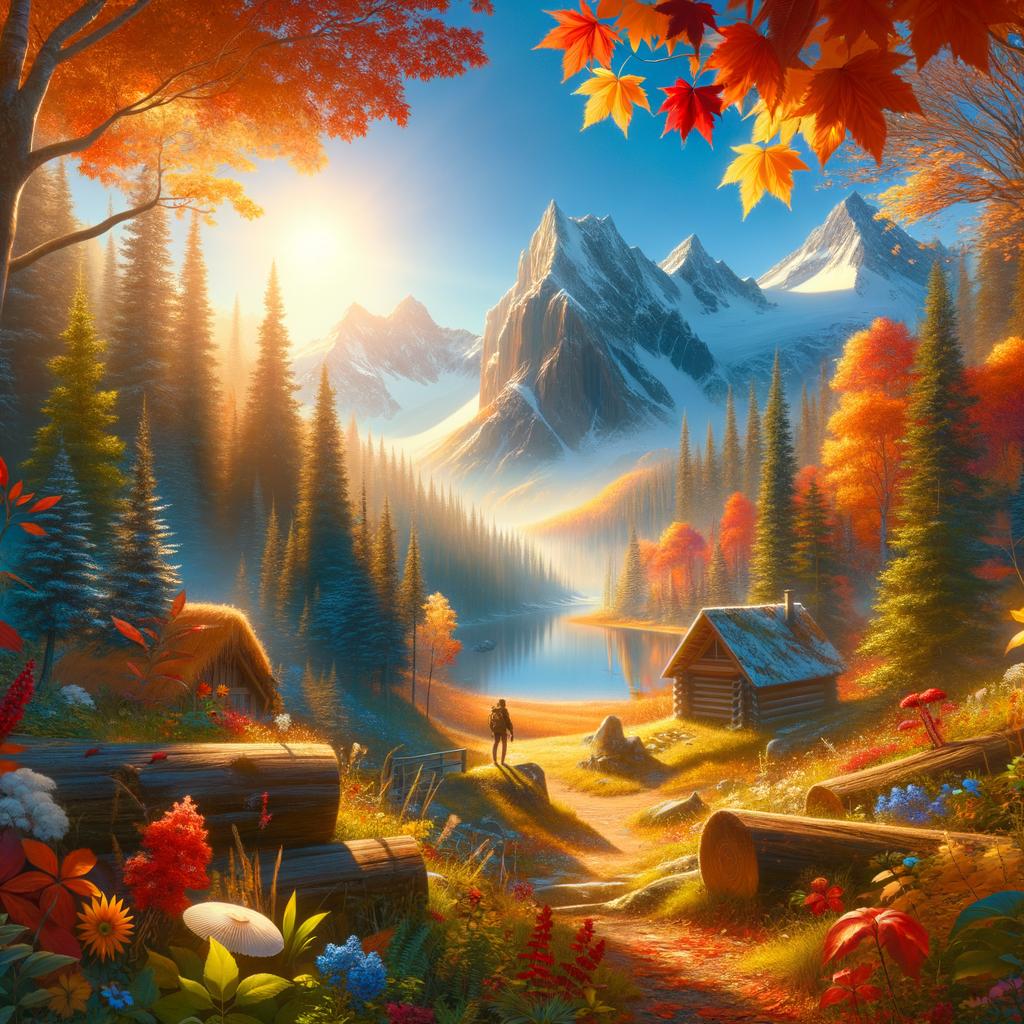
September and October bring a cooler temperature and a reduction in tourist numbers, creating a sweet spot for those seeking solitude. The fall foliage, particularly in Ontario, Quebec, and the Maritimes, offers a spectacular display of reds, oranges, and golds that photographers chase from coast to coast. This season is ideal for hiking, as the mosquitoes and blackflies of early summer have vanished, leaving the trails clear and comfortable.
Road trips become more enjoyable as the air turns crisp. Driving through the Trans-Canada Highway during this time offers scenic views without the summer congestion. However, weather can be unpredictable, with early snowstorms possible in the high mountains by late October. Backpackers should pack layers and be prepared for shorter daylight hours. Many campgrounds begin to close during this period, so you may need to transition to hostels or budget hotels in the evenings.
Winter: The Challenge of Cold and the Charm of Snow
November through March is a time of extreme conditions, but it offers a unique perspective on the Canadian experience. For those willing to brave the cold, winter opens up opportunities for skiing, snowboarding, and ice climbing that are unavailable at any other time. Cities like Calgary and Edmonton host festivals celebrating the season, and the northern lights become visible in the far north.
This season is difficult for budget travelers due to the high cost of winter gear and heated accommodation. Many remote trails and national parks close entirely, limiting your options to major urban centers or specific ski towns. If you choose to travel in winter, you must prioritize warm clothing, including high-quality boots, thermal layers, and insulated jackets. Public transportation remains reliable in cities, but intercity bus services may be reduced or delayed due to snow.
Spring: The Season of Transition and River Runoff
April and May mark the thaw, a time known as the mud season in many parts of the country. While the snow melts, creating lush green landscapes and rushing rivers, trails can be muddy and difficult to traverse. This is the quietest time of the year for tourism, meaning accommodation rates drop significantly. You will find fewer crowds and a more local atmosphere in towns and cities.
However, spring comes with challenges. Some roads and park gates remain closed due to snowmelt and flooding. Wildlife emerges from hibernation, which can be exciting to observe but requires caution. For backpackers with flexible schedules, this is an excellent time to explore eastern Canada, where the flowers begin to bloom earlier than in the west. If you are looking for a quiet, low-cost trip and do not mind getting your boots dirty, spring offers an authentic look at the country waking up from its long sleep.
Choosing the right season depends on what you value most: the convenience of summer, the beauty of autumn, the thrill of winter, or the quiet of spring. By aligning your itinerary with the natural cycles of the land, you ensure a safer and more rewarding journey through this incredible nation.