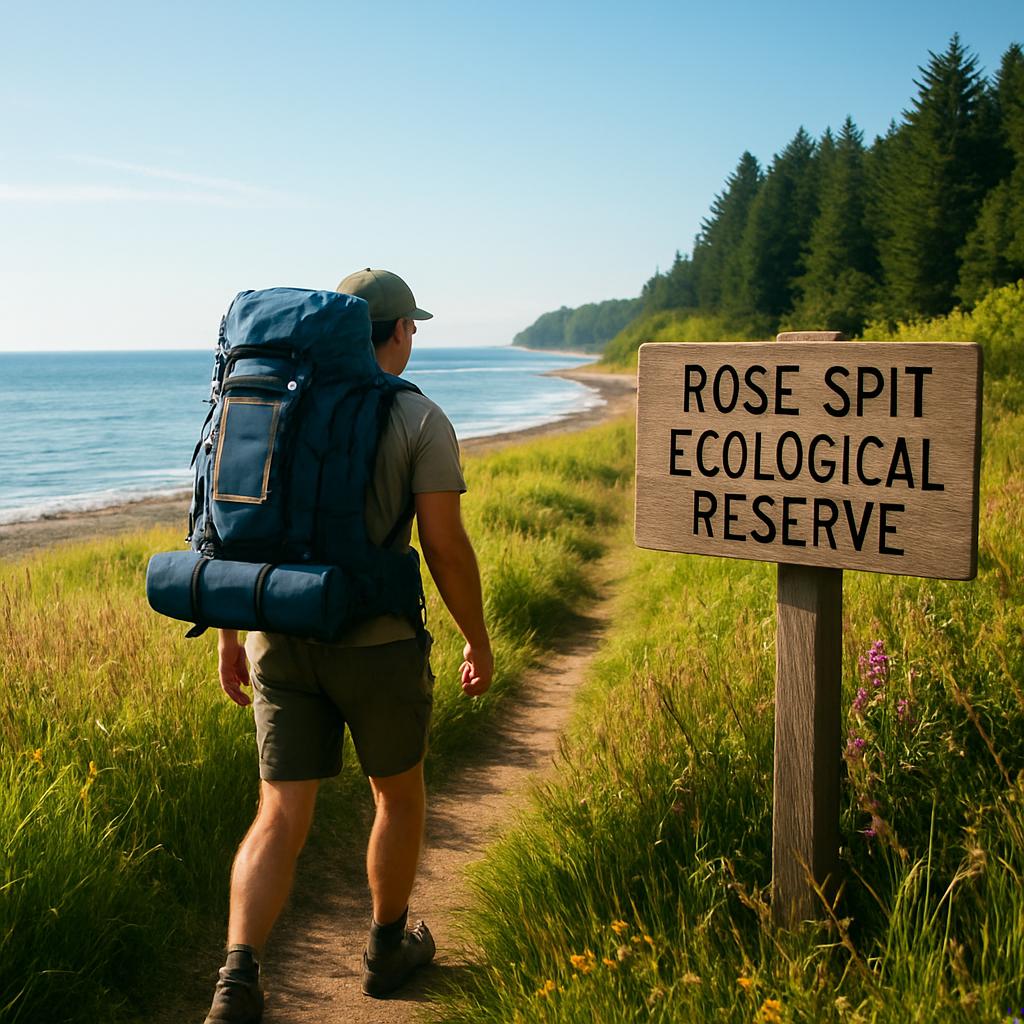
Backpacking the Rose Spit Ecological Reserve
Posted on October 9, 2026 • 5 minutes • 883 words
Table of contents
- What is the Rose Spit Ecological Reserve and why backpack there?
- How to plan a backpacking trip in Rose Spit Ecological Reserve?
- What are the best backpacking routes and camping spots in Rose Spit Ecological Reserve?
- What wildlife can backpackers expect to see at Rose Spit Ecological Reserve?
- What should backpackers pack for a trip to Rose Spit Ecological Reserve?
- Frequently Asked Questions
Backpacking the Rose Spit Ecological Reserve offers a unique adventure for nature lovers and outdoor enthusiasts seeking solitude, pristine wilderness, and rare wildlife sightings. Located at the far northwest tip of Graham Island in Haida Gwaii, British Columbia, this ecological reserve is known for its striking coastal environment, untouched beaches, and diverse ecosystems. Whether you’re planning a multi-day trek or a day trip, Rose Spit provides an unforgettable experience far from crowded trails and urban noise.
What is the Rose Spit Ecological Reserve and why backpack there?
Rose Spit Ecological Reserve is a protected area established to conserve the rare ecological features of the region, including important habitats for migratory birds and unique coastal species. It comprises a long, narrow sand spit that stretches into the Pacific Ocean, surrounded by salt marshes, eelgrass beds, and old-growth forests. Backpacking here means immersing yourself in a pristine natural environment that few get to see firsthand.
Key highlights of the area include:
- Extensive sandy beaches perfect for camping and wildlife spotting
- A hotspot for birdwatching with species like sandpipers, dunlins, and more
- Spectacular views of ocean and mountains, providing excellent photography opportunities
- Remote and peaceful setting ideal for true wilderness backpacking
Expect limited facilities and prepare for self-sufficiency since the reserve is managed with conservation as a priority.
How to plan a backpacking trip in Rose Spit Ecological Reserve?
Planning a backpacking trip to Rose Spit requires careful preparation due to its remote location and ecological sensitivity. Here are essential tips to help you get ready:
- Access: The reserve is accessible only by boat or floatplane from Sandspit or Masset on Graham Island. Plan transport ahead and confirm weather conditions.
- Permits: Check with BC Parks or local Haida Nation offices about any permits required for camping or hiking in the reserve.
- Gear: Bring lightweight camping gear suitable for coastal conditions including rain protection. Carry enough food and water filtration systems.
- Safety: Prepare for encounters with wildlife like black bears. Pack a first aid kit and let others know your itinerary.
- Leave No Trace: Follow strict environmental guidelines to protect delicate habitats – pack out all waste and avoid disturbing wildlife.
Mapping your route in advance ensures a safe trip and helps avoid sensitive areas.
What are the best backpacking routes and camping spots in Rose Spit Ecological Reserve?
Backpacking routes in Rose Spit often follow the shoreline with access to sandy beaches and tidal pools. The main trail is a rugged, informal path along the spit itself, with possibilities for exploration of nearby marshes and forest edges.
Popular camping options include:
- Sand spit campsites: These offer straightforward beach camping with stunning ocean views.
- Tidal flats area: Great for observing marine life and bird activity during low tide.
- Nearby forest patches: Provide shelter from winds with the chance to wake up to forest sounds.
Because campsites are few and primitive, backpackers typically carry minimal gear but prepare for sudden weather changes. Check tide schedules to avoid being stranded on parts of the spit.
What wildlife can backpackers expect to see at Rose Spit Ecological Reserve?
Rose Spit is an ecological hotspot teeming with diverse bird and marine life. Birdwatchers will find species such as:
- Western Sandpiper
- Dunlin
- Red Knot
- Pacific Dunlin
- Migratory seabirds like gulls and terns
Marine mammals including harbor seals and occasional sea otters are common offshore. The reserve also hosts vibrant intertidal zones rich with crabs, starfish, and other invertebrates.
In forested sections, keep an eye out for Sitka black-tailed deer, raccoons, and various songbirds. Practicing quiet observation helps prevent disturbing the fragile ecosystem.
What should backpackers pack for a trip to Rose Spit Ecological Reserve?
Packing smart allows you to enjoy Rose Spit’s wilderness to the fullest. Essentials for backpacking this reserve include:
- Waterproof backpack and rain gear due to coastal climate
- Lightweight tent or tarp for camping on sandy or forested ground
- Warm layers and sleeping bag rated for cool, damp nights
- Food supplies sufficient for your trip length plus extra in case of delays
- Water filtration or purification devices, as fresh water sources are limited
- Binoculars and camera for wildlife spotting and photography
- Navigation tools such as GPS and detailed maps
- Bear spray and first aid kit for wildlife safety and emergencies
- Trash bags and supplies for Leave No Trace principles
Minimizing impact is key to preserving the natural environment here.
Frequently Asked Questions
How do I get to Rose Spit Ecological Reserve for backpacking?
Access is typically by boat or floatplane from Sandspit or Masset on Graham Island, British Columbia. You must arrange transport in advance since there are no roads leading directly to the reserve.
Are there marked trails in Rose Spit Ecological Reserve for backpackers?
Trails are minimal and mostly informal following the shoreline and sand spit. Backpackers should be comfortable navigating unmarked paths and using maps or GPS.
Can I camp anywhere within Rose Spit Ecological Reserve?
Camping is permitted in designated areas only to protect sensitive habitats. These spots are mostly on sandy beaches or forest edges, and campers should follow all ecological reserve regulations.
What wildlife can I expect to see while backpacking Rose Spit?
Expect to see a variety of migratory shorebirds such as sandpipers and dunlins, marine mammals like harbor seals, and local forest animals including deer. Birdwatching is a popular activity here.