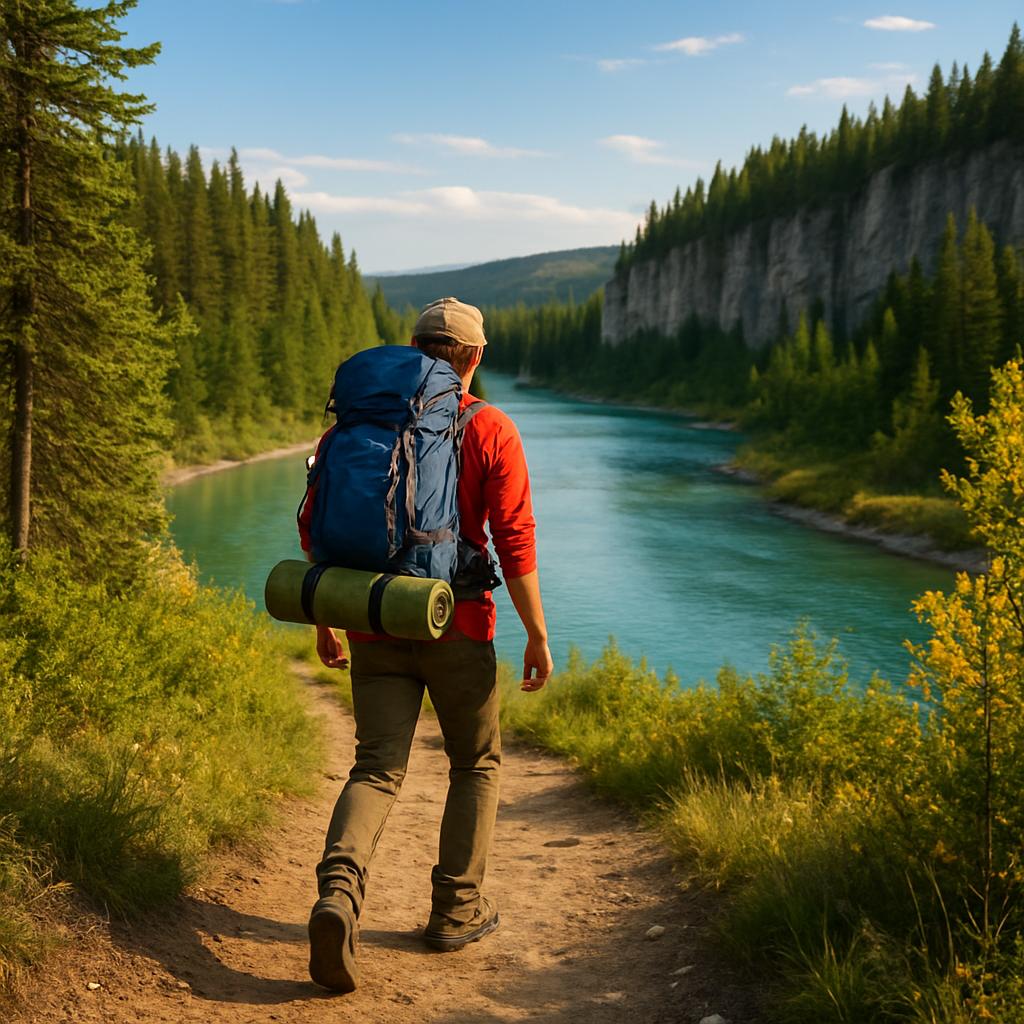
Backpacking the Pembina River Provincial Park
Posted on October 12, 2026 • 4 minutes • 790 words
Table of contents
- What are the best backpacking trails in Pembina River Provincial Park?
- How to prepare for a backpacking trip in Pembina River Provincial Park?
- What wildlife can backpackers expect to see in Pembina River Provincial Park?
- Where are the best camping spots for backpackers in Pembina River Provincial Park?
- How to enjoy river activities while backpacking in Pembina River Provincial Park?
- Frequently Asked Questions
Exploring the great outdoors in Canada offers countless opportunities for adventure, and Pembina River Provincial Park is a gem that backpackers love. With its mix of rugged river landscapes, dense forests, and accessible trails, this park provides an inviting experience for those eager to immerse themselves in nature. Backpacking here lets you unwind, witness wildlife, and enjoy a peaceful setting that feels both remote and welcoming.
What are the best backpacking trails in Pembina River Provincial Park?
The park features a network of trails suitable for varying skill levels, making it ideal for backpackers looking for a day hike or longer excursions. The terrain mixes gentle paths alongside the riverbanks with more challenging routes through wooded areas.
Popular trails include:
- Pembina River Trail: A scenic 4.5-km hike following the river that showcases stunning cliffs and river viewpoints.
- Ravine Trail: Located near the campground, this trail heads into forested ravines, offering peaceful surroundings.
- Loop Trail: A moderate 6-km circuit trail that combines river views with forest landscapes.
These routes provide plenty of opportunities to observe local flora and fauna. When planning your backpacking trip, combining these trails can create a satisfying day hike or multi-day itinerary.
How to prepare for a backpacking trip in Pembina River Provincial Park?
Getting ready for backpacking in this park means packing the right gear and planning carefully for safety and comfort. Weather can change rapidly, and terrain varies from riverside paths to rocky sections.
Consider packing:
- Durable hiking boots with good traction
- Waterproof layers and warm clothing for variable weather
- Backpack with enough capacity for water, food, and camping gear
- Navigation tools like maps or GPS devices
- First aid kit and insect repellent
Before setting out, check the latest park conditions and weather forecasts. Inform someone about your planned route and expected return time. The park offers campsites if you decide to extend your hiking into overnight trips.
What wildlife can backpackers expect to see in Pembina River Provincial Park?
The park is home to diverse wildlife, making it appealing for nature lovers. Early morning or late afternoon hikes often offer glimpses of animals in their natural habitat.
Common wildlife sightings include:
- White-tailed deer browsing near forest edges
- Beavers along the river, recognizable by dam structures
- Various bird species like woodpeckers, owls, and songbirds
- Occasional sightings of foxes or coyotes
Birdwatchers will appreciate the variety, especially during migration seasons. Always keep a respectful distance from wildlife and avoid feeding animals to maintain safety for both visitors and the ecosystem.
Where are the best camping spots for backpackers in Pembina River Provincial Park?
For backpackers wanting to camp overnight, Pembina River Provincial Park offers well-maintained designated sites with essential amenities. These camping areas are designed to reduce environmental impact and enhance visitor experience.
Top camping options include:
- Riverview Campground: Located near the river, providing scenic views and easy trail access.
- Hilltop Sites: Offer elevated spots with opportunities for sunrise views.
- Group Camping Area: Suitable for larger groups wanting to share a communal outdoor experience.
Reservations are recommended during peak seasons. Campsites have fire pits, picnic tables, and nearby washroom facilities. Bringing your own tent and camping gear is necessary for backpacking trips.
How to enjoy river activities while backpacking in Pembina River Provincial Park?
The Pembina River itself adds an exciting element to backpacking adventures. Paddling, swimming, and fishing opportunities can complement hiking plans.
If you want to engage with the water:
- Pack lightweight kayaking or canoeing gear if you plan a multi-day river trip
- Swim in designated safe areas to cool off during summer hikes
- Bring fishing equipment if you enjoy angling; the river supports trout and other species
Always be aware of river currents and follow safety guidelines. The combination of land and water activities makes this park a versatile destination for outdoor enthusiasts.
Frequently Asked Questions
How long does it take to backpack the main trails in Pembina River Provincial Park?
The main loop trail typically takes 2 to 3 hours to complete, depending on hiking speed and stops. Combining multiple trails can extend the hike to half or full-day outings.
Are there any entrance fees or permits required for backpacking in Pembina River Provincial Park?
There is a daily vehicle entry fee to access the park. Backcountry backpacking does not require special permits, but reservations are needed for camping during peak times.
Is Pembina River Provincial Park suitable for beginner backpackers?
Yes, the park offers trails with easy to moderate difficulty, making it accessible for beginners. Still, it’s important to prepare for changing weather and uneven terrain.
Can I hike Pembina River Provincial Park year-round?
The park is open year-round, but winter conditions can make trails icy and challenging. Spring can be wet; summer and fall offer the best weather for backpacking.