Backpacking the Glacier Bay National Park
Posted on August 8, 2025 • 4 minutes • 758 words
Table of contents
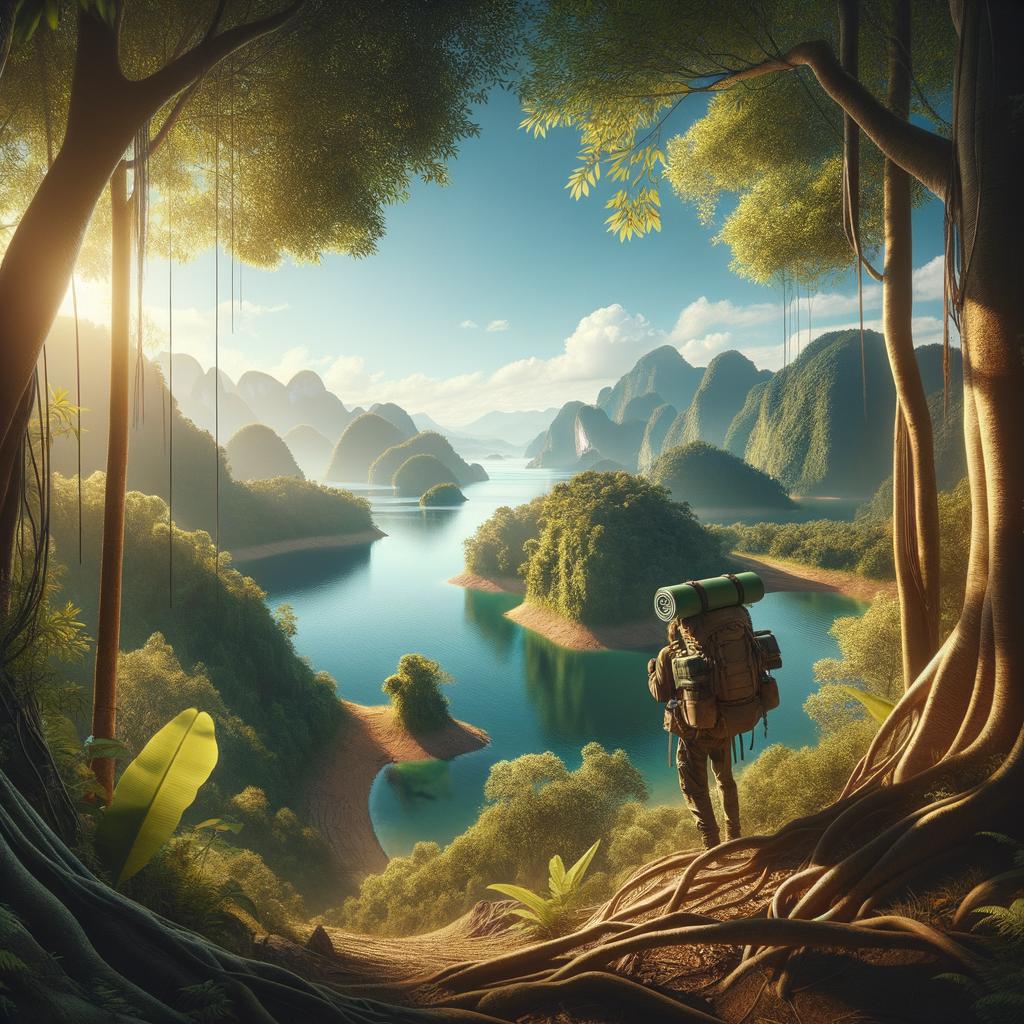
Exploring Glacier Bay National Park is an adventure unlike any other. With its stunning landscapes, diverse ecosystems, and abundant wildlife, this Alaskan gem attracts outdoor enthusiasts from around the world. Backpacking through this pristine wilderness offers an immersive experience where nature takes center stage, and every step reveals breathtaking scenery. Whether you’re a seasoned backpacker or a novice looking for a thrilling adventure, Glacier Bay offers trails that cater to all skill levels, making it a top destination for those seeking a true escape into nature.
Understanding Glacier Bay National Park
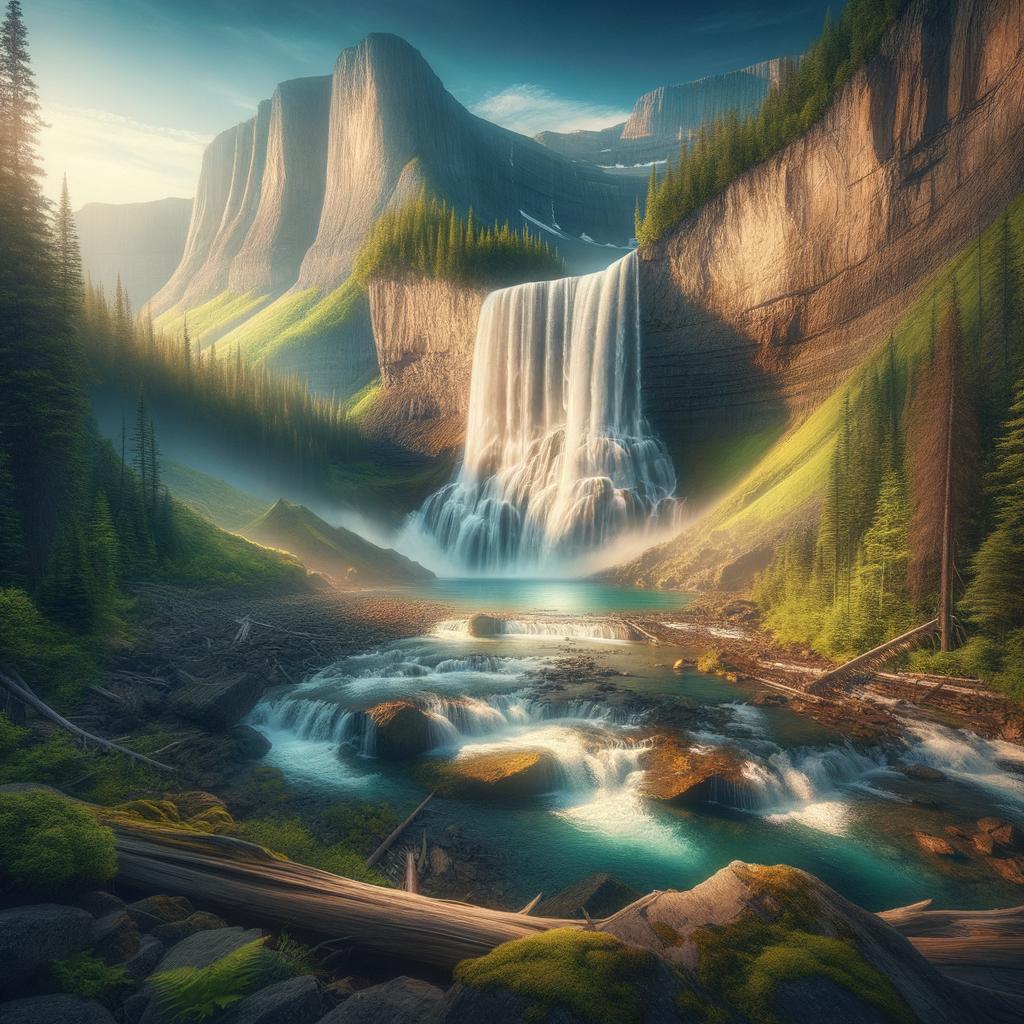
Glacier Bay National Park spans over 3.3 million acres of rugged terrain, featuring towering mountains, deep fjords, and impressive glaciers. This UNESCO World Heritage Site is home to an array of wildlife, including humpback whales, sea otters, and mountain goats. The park’s unique geography and climate create diverse habitats that support a wide variety of flora and fauna. Visitors can expect to encounter lush rainforests, alpine meadows, and icy landscapes, making each backpacking trip a dynamic experience.
Preparing for Your Backpacking Trip
Planning is key when backpacking in Glacier Bay National Park. Begin by determining the length of your trip and the trails that align with your skill level. Popular routes include the Bartlett Cove Trail and the more challenging trails leading into the backcountry. Make sure to obtain the necessary permits and familiarize yourself with the park’s regulations to ensure a safe and enjoyable experience.
Pack wisely for your journey. Weather in Glacier Bay can be unpredictable, so including layers, waterproof gear, and sturdy footwear is crucial. Essential items like a reliable map, compass, and first aid kit should also be part of your gear. Don’t forget to bring enough food and water purification supplies, as access to resources can be limited in remote areas.
Exploring the Trails
Glacier Bay offers a range of trails that showcase its stunning beauty.
Bartlett Cove Trail
For those looking for a more accessible option, the Bartlett Cove Trail is ideal. This relatively easy, 2-mile loop takes you through lush forests and along the shoreline, providing beautiful views of the bay and surrounding mountains. Keep an eye out for wildlife, as deer and various bird species frequent this area.
The Beardslee Islands
For a more adventurous outing, consider a multi-day backpacking trip to the Beardslee Islands. This route involves navigating through beautiful coastal scenery and offers opportunities for sea kayaking and wildlife viewing. The islands provide ideal camping spots, allowing you to fully immerse yourself in the natural environment.
Wildlife Encounters
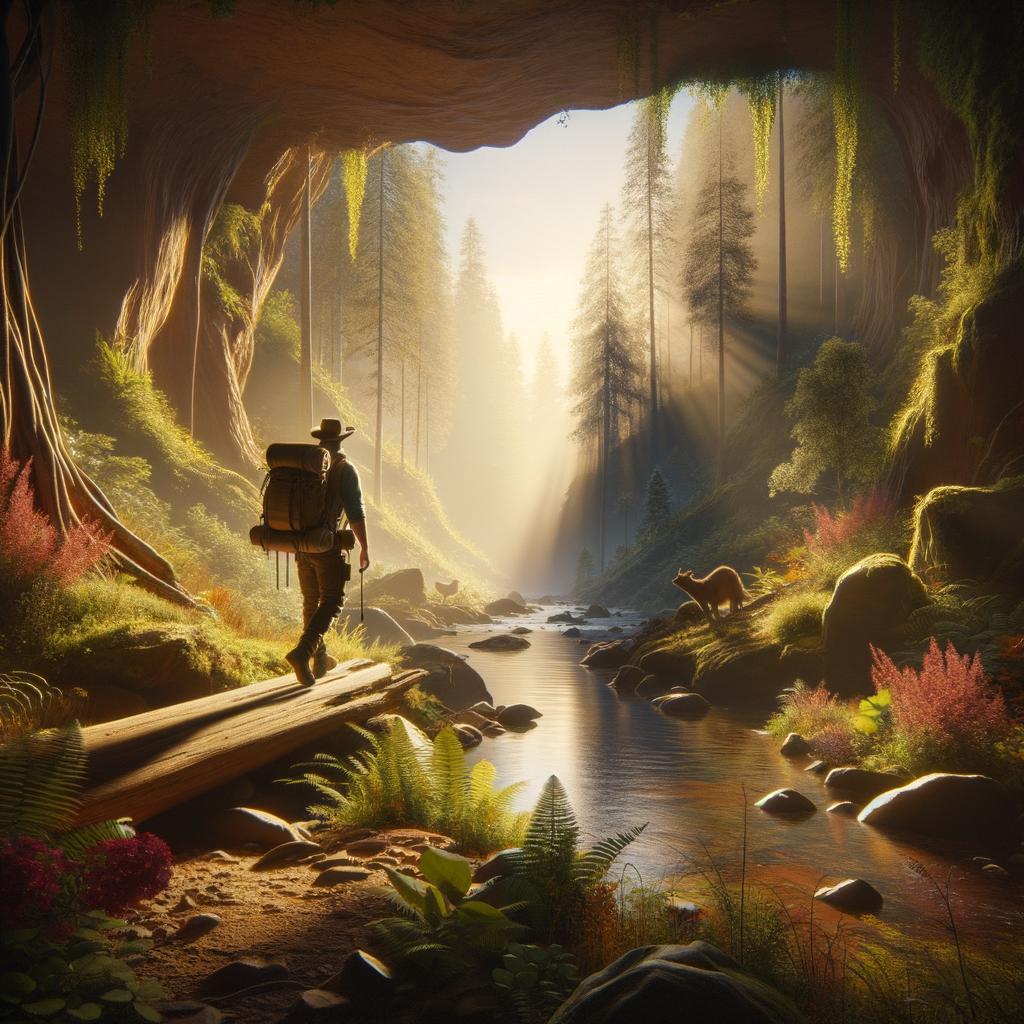
One of the highlights of backpacking in Glacier Bay is the opportunity to observe wildlife in their natural habitats. Keep your camera ready, as you may encounter sea lions basking on rocky shores, puffins diving into the water, or even the majestic humpback whale breaching in the distance. Remember to maintain a safe distance and respect the animals’ space, as the park is a protected area.
Safety Tips for Backpacking
Safety should be a top priority while exploring Glacier Bay. Be aware of changing weather conditions, and don’t hesitate to alter your plans if necessary. Familiarize yourself with the park’s wildlife and the best practices for avoiding encounters with bears or other animals. Make noise while hiking to alert wildlife of your presence, and always store food securely to avoid attracting animals to your campsite.
Stay hydrated and fuel your body with nutritious food to keep your energy levels up during your trek. Understanding the terrain and planning your route carefully can help prevent accidents and ensure a smooth backpacking experience.
The Best Time to Visit
The ideal time for backpacking in Glacier Bay National Park is during the summer months, specifically from late June to early September. During this period, temperatures are milder, and trails are more accessible due to reduced snowpack. Wildflowers bloom, and wildlife is more active, enhancing the overall experience. Keep in mind that weekends can be busier, so consider planning your trip during weekdays for a more serene experience.
Conclusion: Embrace the Adventure
Backpacking in Glacier Bay National Park offers a unique opportunity to connect with nature and experience the awe-inspiring beauty of Alaska’s wilderness. With careful planning, a spirit of adventure, and respect for the environment, you can create unforgettable memories in one of the most breathtaking landscapes on Earth. Whether you choose a short day hike or an extended backcountry journey, Glacier Bay promises an adventure that will leave you inspired and rejuvenated. Pack your gear, lace up your boots, and get ready for an incredible journey through this remarkable national park.