Backpacking the Bruce Peninsula on a Budget
Posted on September 27, 2026 • 5 minutes • 866 words
Table of contents
- How can I backpack the Bruce Peninsula affordably?
- What are the best budget camping spots on the Bruce Peninsula?
- How can I save money on food while backpacking the Bruce Peninsula?
- What are affordable free or low-cost activities on the Bruce Peninsula?
- What is the best way to get around the Bruce Peninsula on a budget?
- Frequently Asked Questions
Backpacking the Bruce Peninsula offers an extraordinary blend of rugged cliffs, crystal-clear waters, and dense forests. It’s a dream destination for adventure seekers, nature lovers, and budget travelers alike. Exploring this scenic region without breaking the bank is totally doable with the right approach. From free hiking trails to affordable campsites and insider tips on saving money, this guide will help you make the most of your Bruce Peninsula backpacking trip on a budget.
How can I backpack the Bruce Peninsula affordably?
Backpacking on a budget in the Bruce Peninsula means carefully planning where you stay, what you eat, and how you get around. The peninsula is best known for its stunning parks, including Bruce Peninsula National Park and Fathom Five National Marine Park. Both offer hikes and natural attractions worth exploring without costly entry fees.
To keep expenses low:
- Opt for camping instead of hotels or lodges.
- Use public transportation or carpool with fellow backpackers.
- Bring your own food and cooking gear to avoid pricey restaurants.
- Visit during shoulder seasons like late spring or early fall for fewer crowds and lower prices.
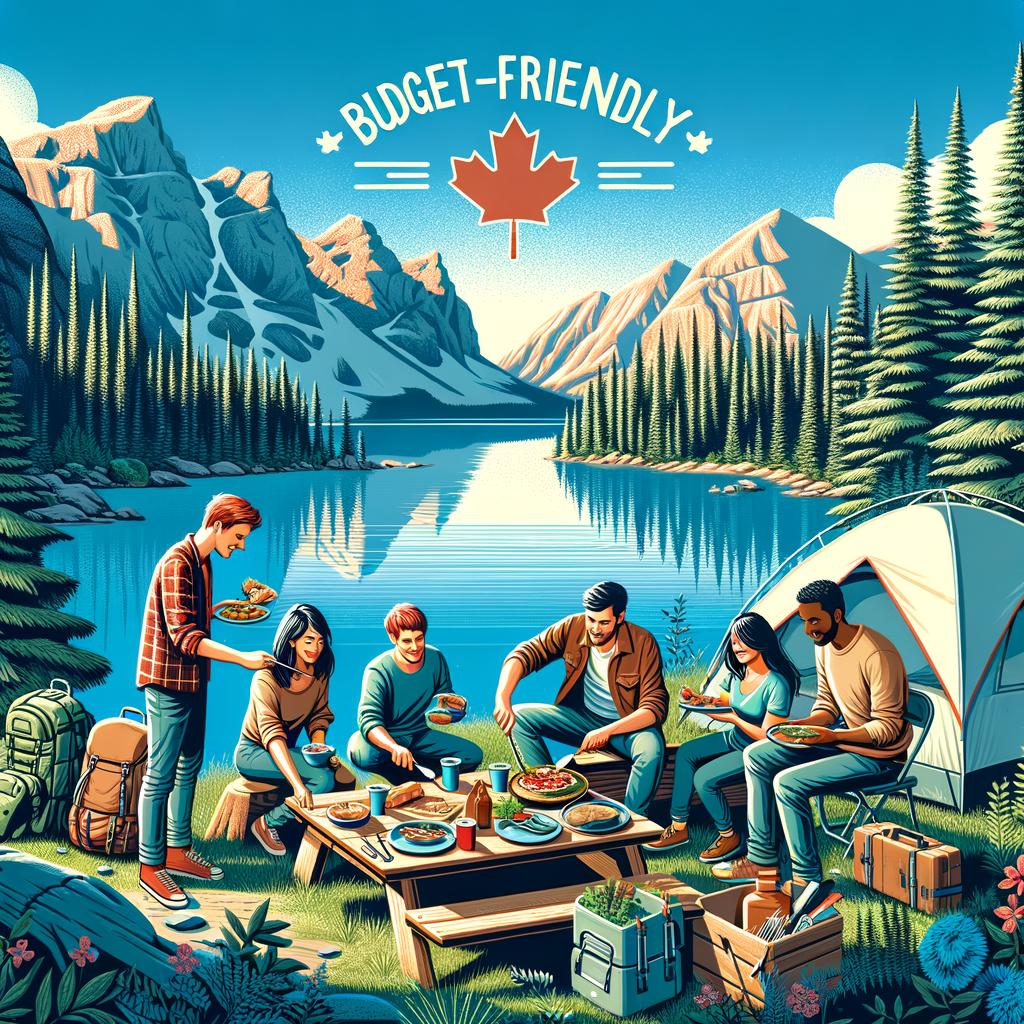
Camping at Bell Beach, Cyprus Lake, or Indian Head Cove is a wallet-friendly way to immerse yourself in the environment without spending much. National Park campsites typically require reservations but cost less than private accommodations.
What are the best budget camping spots on the Bruce Peninsula?
Camping is a top budget option when backpacking the Bruce Peninsula. Here are some great campgrounds:
- Cyprus Lake Campground: Located inside Bruce Peninsula National Park, it features wooded sites, proximity to hiking trails, and access to the Cyprus Lake waterfront.
- Indian Head Cove Campground: A smaller, quieter option with fewer amenities ideal for the more adventurous backpacker.
- Bell Beach Campground: Offers basic facilities in a beautiful setting near the shoreline.
- Bruce Peninsula National Park backcountry camping: For serious hikers, backcountry sites are accessible by trail and provide a more remote experience at a minimal cost.
Booking early is key during the summer months, as these sites fill up fast. Most campsites offer fire pits, picnic tables, and potable water, so minimal extra gear is necessary.
How can I save money on food while backpacking the Bruce Peninsula?
Food costs can add up quickly but planning ahead can help you stay on budget. Packing and preparing your own meals saves both time and money.
Here are some budget-friendly food ideas:
- Carry lightweight, non-perishable items like instant oatmeal, trail mix, rice, and pasta.
- Bring a portable camping stove to cook hot meals.
- Buy fresh produce and snacks in towns like Tobermory before heading into the wilderness.
- Prepare meals in bulk to reduce waste and packaging.
Avoid eating out often—restaurants in the Tobermory area and around the parks tend to be pricey. Stick to simple, nutritious meals that fuel your hiking and outdoor activities.
What are affordable free or low-cost activities on the Bruce Peninsula?
Many of the best experiences in the Bruce Peninsula come at little to no cost, making it an ideal destination for budget travelers.
Try these free or inexpensive activities:
- Hiking the Bruce Trail or other marked routes in Bruce Peninsula National Park.
- Swimming or picnicking at public-access beaches like Singing Sands.
- Exploring Flowerpot Island via affordable ferry (advance booking can save money).
- Visiting Fathom Five National Marine Park’s shipwreck sites for snorkeling or diving (gear rental is extra).
- Wildlife spotting and photography in the park’s diverse ecosystems.
Look for guided programs or interpretive talks offered by park staff that are included in park fees, giving deeper insight without added costs.
What is the best way to get around the Bruce Peninsula on a budget?
Transportation can impact your budget, so choosing smart options helps stretch your travel funds.
Ways to save on transportation:
- Use Greyhound or shuttle services running to Tobermory if you don’t have a car.
- Hitchhike responsibly; the Bruce Peninsula community is often friendly to hikers.
- Rent bikes for local exploration if conditions suit.
- Share rides with other backpackers found through online forums or hostel notice boards.
- Walk as much as possible once you are at trailheads or campsites.
Public transit options may be limited within the parks, so planning ahead or coordinating transfers works well for backpackers on a budget.
Frequently Asked Questions
How much does camping cost on the Bruce Peninsula?
Camping in Bruce Peninsula National Park costs around $26-$33 CAD per night at the main campgrounds. Backcountry camping permits are usually less expensive. Private campgrounds may vary but often charge higher rates.
Are there free hiking trails on the Bruce Peninsula?
Yes, many trails in Bruce Peninsula National Park are free to access, though parking fees or park entrance fees may apply. The Bruce Trail also offers numerous hiking segments with no cost beyond parking.
Can I backpack the Bruce Peninsula without a car?
It’s possible but requires planning. Buses run to Tobermory and sometimes Wiarton. Hitchhiking and shuttles can help you reach trailheads, but having a car gives more flexibility.
What time of year is cheapest to backpack the Bruce Peninsula?
Late spring (May to early June) and early fall (September to October) typically have fewer visitors and lower prices for campsites, making these months ideal for budget travelers.